Svitolina Reveals Emotional Toll of Ukraine War Behind Separation from Gaël Monfils
Ukrainian tennis star Elina Svitolina says the emotional toll of Russia's war against Ukraine contributed to her separation from husband Gaël Monfils, as the couple pledge to prioritise their daughter.
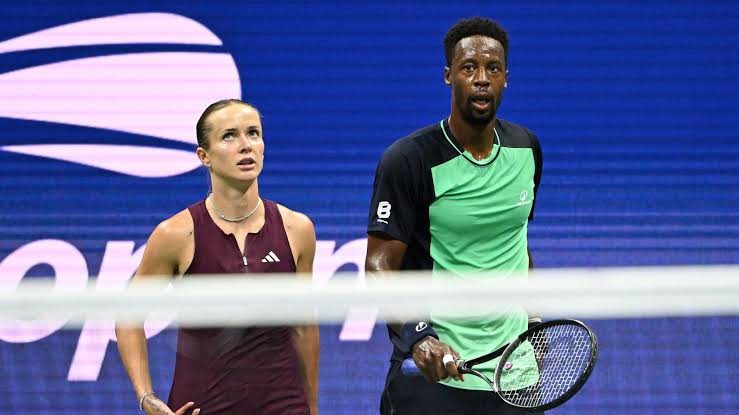
Ukrainian tennis star Elina Svitolina has revealed that the emotional toll of Russia's ongoing war against Ukraine played a significant role in her decision to end her marriage to French tennis star Gaël Monfils, opening up about the personal struggles she has endured away from the tennis court.
Svitolina, 32, announced the separation in an emotional social media statement on Monday, October 19, 2026, describing sleepless nights, self-doubt and a gradual feeling of losing herself while dealing with the consequences of the conflict in her homeland.
The world No. 6 said she had come to realise that she needed to rediscover herself outside her marriage, despite the love and support she had received from Monfils throughout their relationship.
“This is the most difficult thing I have ever had to share,” Svitolina wrote, explaining that although many people understood her attachment to Ukraine, she had rarely spoken publicly about the war's psychological impact on her.
Her announcement has drawn attention to the personal consequences of prolonged conflict, even for high-profile athletes whose professional achievements may conceal the emotional pressures they face.
Svitolina stressed that the decision was deeply personal and should not be interpreted as a situation in which either partner was to blame. (Reuters)
Svitolina describes sleepless nights and emotional struggles
In her statement, Svitolina offered a rare glimpse into the emotional burden she has carried since Russia launched its full-scale invasion of Ukraine in February 2022.
The tennis star explained that the consequences of the war had affected her in ways she had not previously shared with the public. She described periods of sleeplessness, uncertainty and a sense that she was gradually losing her identity.
She also recalled taking time away from tennis during the previous season because she was not in the right emotional state to continue competing.
“What you didn't see were the sleepless nights, the doubts, and the feeling of slowly losing myself,” she wrote.
Her comments suggest that the pressures of maintaining a professional sporting career while remaining emotionally connected to a country at war had become increasingly difficult to manage.
Svitolina has consistently expressed support for Ukraine and its people throughout the conflict. For her, the war has been more than an international political crisis: it has been a deeply personal experience affecting her family connections, sense of identity and everyday emotional well-being.
In her statement, she acknowledged that Monfils had witnessed her struggles and supported her through difficult periods. Nevertheless, she said she eventually understood that she needed to find her way back to herself and could no longer do so within their marriage.
She emphasised that the decision was not a rejection of the love they had shared.
Svitolina described the separation as one of the hardest decisions she had ever faced (The Guardian)
Monfils supported her through difficult times
Svitolina was equally generous in acknowledging Monfils' role during her struggles, describing him as a partner who remained supportive through both joyful and painful experiences.
She said he listened to her concerns and respected her decision, praising the strength and understanding he demonstrated as they confronted the changes in their relationship.
“Some battles happen deep inside you, and no amount of love from someone else can win them for you,” she wrote.
The statement conveyed the complexity of their separation: a relationship can contain genuine love and support while one partner still feels the need to make a major personal change.
The couple married in July 2021 after developing a relationship that attracted considerable interest across the international tennis community. Their daughter, Skai, was born in October 2022.
They became popular not only for their individual achievements but also for the warmth and humour they displayed in public appearances and on social media.
Their relationship also brought together two accomplished athletes who understood the demands of professional tennis, including international travel, tournament schedules and the pressure of competing at the highest level.
Daughter Skai remains their priority
Despite the end of their marriage, Svitolina made clear that their commitment to raising their daughter together would continue.
“Skai will always come first,” she wrote, reassuring supporters that their separation would not end their family relationship.
She added that there was no one to blame, describing their situation as the changing shape of a relationship between two people who had loved each other deeply.
The couple asked for kindness and privacy as they navigate the transition.
Their emphasis on co-parenting suggests that, although they are ending their marriage, they intend to remain involved in their daughter's life together.
The announcement has also prompted discussions about the challenges of balancing elite sporting careers, parenthood and personal well-being, particularly when external events create sustained emotional pressure.
Neither athlete has publicly suggested that their daughter or professional rivalry was responsible for the separation.
Svitolina continues to excel on the tennis court
The announcement comes at a significant point in Svitolina's career. The Ukrainian remains among the leading players on the women's professional circuit and has reached four Grand Slam singles semi-finals.
She also secured a place at the season-ending WTA Finals in 2026, reflecting her continued competitiveness despite the personal difficulties she described.
Her career has included major performances at the Australian Open, French Open, Wimbledon and US Open. She previously reached a career-high ranking of world No. 3 and won the WTA Finals in 2018.
Svitolina's ability to maintain a high level of performance while dealing with the emotional consequences of the war has made her story particularly compelling for tennis followers.
Further details about her career and current standing are available through the Women's Tennis Association.
Monfils brings a distinguished career to a close
Monfils, 40, is also entering a new phase of life following his retirement from professional tennis.
The Frenchman, a former world No. 6, won 13 ATP Tour singles titles and became one of the sport's most recognisable personalities through his athleticism, spectacular court coverage and entertaining style of play.
He had planned to conclude his career at the end of 2026, with a farewell appearance at the Paris Masters expected to form part of his final season. However, the International Tennis Integrity Agency subsequently listed him as retired earlier than initially anticipated.
The timing of his retirement and the couple's separation has attracted attention, but neither development should automatically be treated as the cause of the other.
The pair also competed together in mixed doubles at the 2026 US Open, reaching the semi-finals in what was a memorable joint appearance.
Their shared experiences on the court and their mutual understanding of professional tennis helped make them one of the sport's best-known couples.
A personal story shaped by a wider conflict
Svitolina's announcement highlights how the effects of war can extend far beyond the battlefield, affecting family life, emotional stability and personal relationships.
For Ukrainians living abroad, the continuing conflict can bring persistent concern for loved ones, uncertainty about the future and a complicated relationship with home. Svitolina's account offers a personal perspective on those pressures without suggesting that every person affected by war will experience them in the same way.
Her decision to speak publicly about her struggles may also encourage wider conversations about mental well-being in professional sport, where athletes often face expectations to remain composed and competitive regardless of their private circumstances.
Ultimately, Svitolina asked for understanding rather than blame. Her message was that the end of a marriage does not erase the affection, respect and family bonds built during it.
As she and Monfils begin separate chapters, their stated priority remains the well-being of their daughter, while Svitolina continues her tennis career and works towards regaining the sense of self she says she has struggled to maintain during the war.