SpaceX IPO Smashes Records With $75 Billion Valuation as Elon Musk’s Space Company Debuts on Wall Street
Elon Musk’s SpaceX has made a historic Wall Street debut after a record-breaking IPO that raised $75 billion, marking one of the largest space industry listings in history.
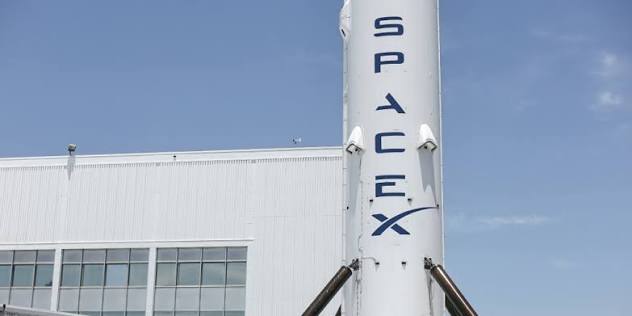
Elon Musk’s aerospace and space exploration company SpaceX has officially made its long-anticipated debut on Wall Street following a record-breaking initial public offering (IPO) that raised approximately $75 billion, marking one of the largest and most closely watched listings in modern financial history.
The IPO has placed SpaceX among the most valuable publicly traded companies in the world, cementing its position as a dominant force in the global space industry and intensifying investor interest in the rapidly expanding commercial space economy.
The listing, which followed years of speculation over when or if Musk would take SpaceX public, saw overwhelming demand from institutional investors, sovereign wealth funds, and major technology-focused investment firms seeking exposure to the booming aerospace sector.
A Historic Market Entry
Trading began amid intense global attention, with SpaceX shares opening significantly above their expected range due to strong demand and limited initial float.
Market analysts described the debut as a landmark moment not only for SpaceX but for the entire private space industry, which has grown rapidly over the past decade through satellite launches, space tourism ambitions, and government contracts.
The $75 billion raised through the IPO is being described as one of the largest capitals raises ever recorded for a company in the aerospace sector, surpassing previous milestones set by major technology and energy firms during their public listings.
Musk’s Vision Reaches Public Markets
Elon Musk, who founded SpaceX in 2002 with the goal of reducing space transportation costs and enabling human colonization of Mars, said the IPO represents a “new chapter” for the company’s long-term mission.
While Musk has historically been cautious about taking SpaceX public citing concerns over short-term market pressure, the decision is believed to have been influenced by growing capital requirements for Starship development, satellite expansion, and deep space exploration programs.
SpaceX has become one of the most influential private companies in the world, largely due to its reusable rocket technology, NASA partnerships, and the rapid expansion of its Starlink satellite internet constellation.
Investor Frenzy Over Space Economy
The IPO triggered a surge of interest across global financial markets, with investors viewing SpaceX as a cornerstone asset in the emerging “new space economy.”
Institutional investors reportedly competed aggressively for early allocations, driven by expectations that space infrastructure, satellite broadband, and interplanetary technology will become multi-trillion-dollar industries over the coming decades.
Analysts say SpaceX’s dominance in reusable rocket technology gives it a competitive edge over rivals in both government and private sectors.
“The scale of investor enthusiasm reflects confidence that SpaceX is not just a launch company, but a foundational infrastructure provider for future global communications and space exploration,” one analyst noted.
Starlink and Commercial Expansion
A significant portion of SpaceX’s valuation is tied to its Starlink satellite internet service, which now provides broadband coverage to millions of users across remote and underserved regions globally.
Starlink’s revenue growth has been one of the key drivers behind investor confidence, with expanding contracts in aviation, maritime communications, and military applications further strengthening its commercial footprint.
The IPO prospectus reportedly highlighted Starship development, lunar mission contracts, and expanded Starlink deployments as core growth pillars for the company’s next phase.
Market Impact and Global Reaction
Wall Street reaction to the IPO has been largely positive, with major indices showing a modest uplift driven by technology sector enthusiasm.
However, some analysts have cautioned that SpaceX’s valuation could face volatility due to its heavy reliance on long-term projects that have yet to generate consistent profitability.
Despite this, investor sentiment remains strong, particularly among technology-focused funds betting on long-term space commercialization.
International markets also reacted with interest, with aerospace companies in Europe and Asia experiencing increased trading activity as investors reassessed global competition in the space industry.
Competition in the Space Industry
SpaceX’s public listing places increased pressure on rival aerospace companies such as Blue Origin, Boeing, and Arianespace, all of which are competing for contracts in satellite deployment, lunar exploration, and commercial space travel.
Experts say the IPO will likely accelerate competition in reusable rocket technology and satellite broadband services, as governments and private firms seek cost-effective access to space infrastructure.
The commercialization of space has become one of the most dynamic sectors in global innovation, with increasing collaboration between private companies and national space agencies.
Risks and Challenges Ahead
Despite the optimism, analysts warn that SpaceX faces significant challenges, including regulatory scrutiny, technical risks associated with Starship development, and geopolitical tensions affecting satellite operations.
The company’s ambitious Mars colonization goals remain long-term projects with uncertain timelines and high capital requirements.
Additionally, competition in satellite internet services is expected to intensify, particularly as other technology firms and governments invest heavily in alternative systems.
A New Era for Space Investment
The successful IPO signals a broader shift in global investment trends, where space infrastructure is increasingly viewed as a mainstream asset class rather than a speculative frontier industry.
Financial institutions are expected to launch new funds focused on aerospace, satellite communications, and deep-space technologies following SpaceX’s market debut.
Industry experts believe this could unlock billions in additional capital for space-related startups and accelerate innovation across the sector. (Reuter)
Conclusion
SpaceX’s $75 billion IPO marks a defining moment in the evolution of the global space industry, transforming Elon Musk’s private venture into one of the most valuable publicly traded companies in history.
As the company enters a new era of public market accountability, its performance will be closely watched by investors, governments, and competitors alike.
While challenges remain, the overwhelming market response underscores strong belief in SpaceX’s role as a leader in shaping the future of space exploration and global connectivity.