SpaceX IPO Made History: One Month Later, Investors Question Whether the Momentum Can Last
SpaceX’s historic IPO created massive investor excitement and set new records, but one month later, questions were emerging over valuation, market demand and the company’s long-term growth prospects.
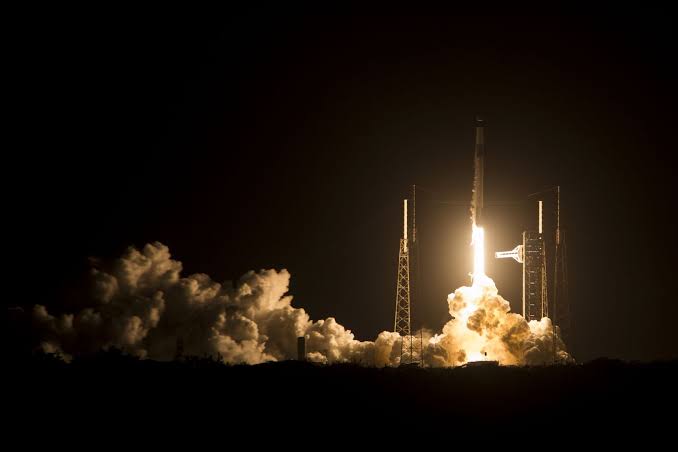
SpaceX's highly anticipated initial public offering (IPO) made history when the aerospace company entered the public markets, attracting enormous investor interest and marking one of the most closely watched stock market debuts in recent years.
The listing was celebrated as a landmark moment for the global space industry, reflecting growing confidence in commercial space exploration and the future of satellite-based technology.
However, just one month after its record-breaking debut, investors and market analysts are beginning to question whether the early excitement surrounding SpaceX can be sustained amid concerns over valuation, competition and the challenges of turning ambitious space projects into consistent financial returns.
The company's IPO was viewed as a major milestone not only for SpaceX but also for the broader technology and aerospace sectors. With billions of dollars raised and investor demand reaching unprecedented levels, the offering reinforced founder Elon Musk's position as one of the most influential figures in modern business.
A Historic Market Debut
The SpaceX IPO generated significant attention before shares began trading, with investors eager to gain exposure to a company that has transformed the space industry.
Unlike traditional aerospace companies that relied heavily on government contracts, SpaceX built its reputation through reusable rocket technology, commercial satellite services and ambitious plans for future space exploration.
The company's Falcon rocket program, Starlink satellite network and plans for missions beyond Earth have positioned it as one of the world's most valuable private technology companies.
The IPO was viewed by many investors as an opportunity to participate directly in what they believe could become one of the defining industries of the 21st century.
Market enthusiasm was fueled by expectations that demand for satellite internet, space-based communications and commercial launches would continue expanding.
Investor Excitement Meets Reality
Despite the strong start, questions have emerged about whether SpaceX's market valuation accurately reflects its current financial performance and future growth potential.
Analysts note that companies operating in the space sector face unique challenges, including high development costs, technological risks and long timelines before major projects become profitable.
SpaceX has achieved significant operational success, but investors are closely watching whether the company can maintain rapid growth while managing the enormous expenses associated with rocket development, satellite deployment and future missions.
Some market observers argue that the initial excitement surrounding the IPO may have been driven partly by investor enthusiasm for space technology rather than traditional financial measurements.
Starlink Remains Key to Future Growth
A major factor influencing SpaceX's prospects is Starlink, the company's satellite internet service designed to provide high-speed connectivity around the world.
Starlink has become one of SpaceX's most important commercial ventures, expanding into multiple countries and serving customers in areas with limited traditional internet infrastructure.
Investors believe Starlink could become a significant source of recurring revenue, helping SpaceX reduce reliance on rocket launches and government contracts.
However, the service also faces challenges, including competition from other satellite communication providers, regulatory hurdles and the cost of maintaining thousands of satellites in orbit.
The success of Starlink is expected to play a crucial role in determining whether SpaceX can justify its market valuation over the long term.
Competition in the Space Industry
SpaceX's dominance in commercial space has attracted increasing competition from established aerospace companies and emerging space technology firms.
Rivals are investing heavily in satellite networks, launch systems and space infrastructure, creating a more competitive environment.
Companies are seeking to capture parts of a rapidly growing market that includes satellite communications, space transportation and future exploration missions.
While SpaceX maintains a strong technological advantage in reusable rockets and launch frequency, analysts warn that maintaining leadership will require continued innovation and significant investment.
The Elon Musk Factor
SpaceX's public image remains closely connected to Elon Musk, whose leadership has played a central role in the company's identity and growth.
Musk's reputation for pursuing ambitious goals has attracted both loyal supporters and critics.
Supporters credit him with accelerating advances in space technology, while critics question whether the company's ambitious timelines and expansion plans create additional risks.
For investors, Musk's influence represents both an advantage and a potential source of uncertainty as the company navigates public market expectations.
Market Performance Under Scrutiny
One month after the IPO, investors are paying closer attention to SpaceX's financial reports, operational performance and ability to meet future targets.
Stock market analysts say the early trading period following a major IPO often reflects excitement and speculation, while long-term performance depends on business fundamentals.
The company will now face greater pressure to deliver consistent growth, improve profitability and meet the expectations created by its historic debut.
The Future of Space Investment
Regardless of short-term market movements, SpaceX's IPO represents a major turning point for the commercial space industry.
The offer has opened new discussions about the role of private companies in space exploration and the potential economic opportunities beyond Earth.
Investors remain optimistic about the long-term possibilities of satellite technology, space infrastructure and commercial missions.
However, the coming years will determine whether SpaceX can transform its ambitious vision into sustainable financial success.
For now, the company remains one of the most closely watched businesses in the world, with its performance likely to influence the future direction of the global space economy.
One month after making history, SpaceX's journey as a public company is only beginning. The initial excitement may have cooled, but the company's ability to innovate, compete and deliver results will ultimately determine whether it remains a market leader or becomes another example of a highly anticipated IPO facing the realities of public investment. (SPACEX)