South Africa’s Plan to Charge Nigeria and Other Nations for Deportation Costs Sparks Diplomatic Debate
South Africa’s decision to bill Nigeria and other countries for the cost of deporting their citizens has sparked debate across Africa, raising questions about immigration enforcement, diplomatic relations, and the financial burden of repatriation
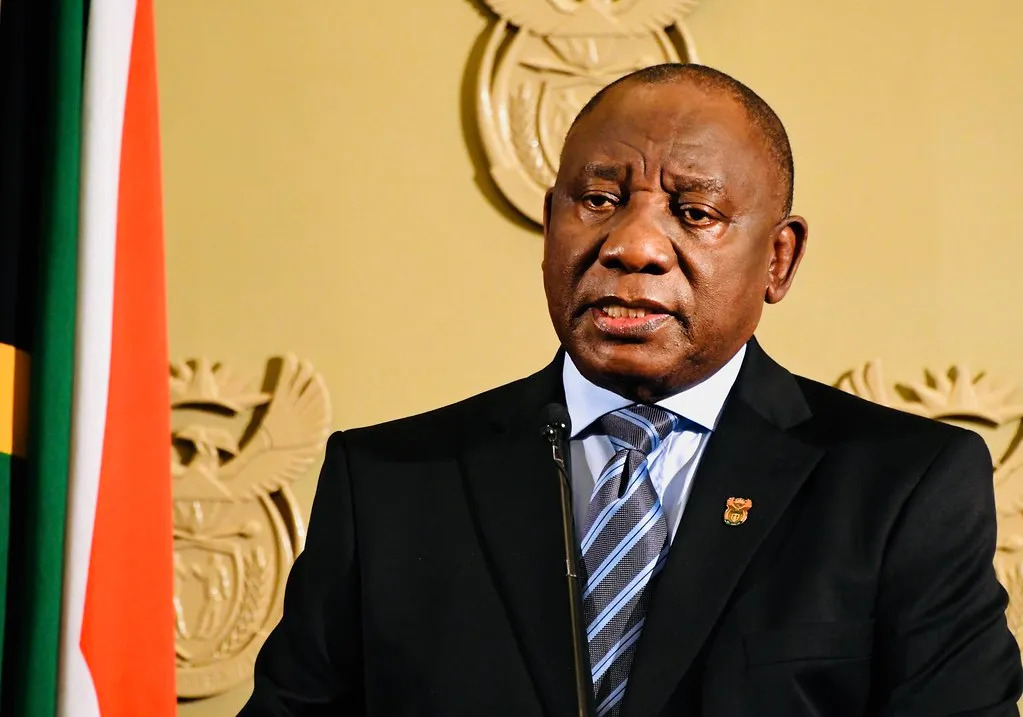
South Africa's announcement that it intends to charge foreign governments for the cost of deporting their nationals has triggered widespread discussion across the continent, with Nigeria among the countries likely to be affected by the proposed policy.
The development comes amid an intensified crackdown on undocumented migrants and growing pressure on the South African government to address concerns surrounding illegal immigration, border security, and public services. The proposal has generated both support and criticism, with proponents arguing that it is a fair way to recover public funds while critics warn that it could strain diplomatic relations with neighboring countries and key African partners. (TimesLIVE)
According to officials from South Africa's Department of International Relations and Cooperation (DIRCO), the government is considering a framework under which countries would be billed for expenses incurred in detaining, processing, and deporting their citizens found to be residing illegally in South Africa. DIRCO spokesperson Chrispin Phiri stated that governments would be expected to bear some responsibility for the costs associated with repatriating their nationals.
The proposal emerges at a time when South Africa is experiencing heightened tensions over immigration. Recent anti-immigrant protests and xenophobic incidents have prompted several African countries, including Nigeria, Ghana, Malawi, and Mozambique, to facilitate the return of some of their citizens from South Africa. President Cyril Ramaphosa has condemned xenophobic violence and pledged decisive action against groups responsible for attacks on foreign nationals. (Reuters)
For Nigeria, the announcement comes shortly after South African authorities confirmed the repatriation of 586 Nigerian nationals who were found to be residing in the country illegally. The first deportation flight departed on June 11, carrying 268 individuals, while additional flights were scheduled to transport the remaining deportees. South African authorities said all affected individuals were issued emergency travel documents through the Nigerian High Commission and would be barred from re-entering South Africa for five years under immigration laws. (Government of South Africa)
South African officials argue that the cost of deportation has become a significant financial burden. Government figures indicate that deportations have risen sharply over the past two years as authorities intensified immigration enforcement efforts. More than 109,000 deportations were carried out over the last two financial years, representing a 46 percent increase compared to previous periods. Officials maintain that taxpayers should not bear the entire cost of removing undocumented migrants from the country. (SAnews)
Supporters of the proposed policy believe it could encourage greater cooperation between African governments on migration management. They argue that countries whose citizens repeatedly violate immigration laws should share responsibility for the resulting costs.
Some South African political commentators have also linked the proposal to broader concerns about unemployment, pressure on public services, and crime. These issues have fueled anti-immigration sentiment in parts of the country, although migration experts caution that migrants are often unfairly blamed for structural economic problems.
However, critics say the move could create diplomatic tensions and undermine efforts to promote regional integration under the framework of the African Union and the African Continental Free Trade Area (AfCFTA).
Foreign policy analysts note that deportation costs have traditionally been borne by the deporting state, with cooperation from the migrant's country of origin generally limited to documentation and acceptance of returnees. Requiring governments to reimburse deportation expenses could therefore represent a significant shift in regional practice.
In Nigeria, reactions have been mixed. Some observers argue that the policy highlights the need for African governments to create more economic opportunities at home to reduce migration pressures. Others contend that Nigeria should challenge any attempt to impose financial obligations without bilateral agreements governing such arrangements.
The debate has also reignited conversations about the treatment of African migrants within Africa. Human rights organizations have warned that growing anti-immigration rhetoric could increase the vulnerability of foreign nationals living and working in South Africa. Recent protests targeting migrants have already prompted concerns from several African governments and civil society groups.
Economic experts suggest that implementing the proposal may prove more complicated than announcing it. Questions remain regarding how costs would be calculated, whether countries would be legally obligated to pay, and what mechanisms would be used to recover funds.
Diplomatic negotiations would likely be required before any billing framework could become operational. Analysts believe that some countries may resist the proposal, particularly if they view it as inconsistent with existing international migration norms.
Despite these concerns, South Africa appears determined to continue tightening immigration enforcement. Authorities have invested in new technologies, including biometric verification systems, digital identity programs, and enhanced border controls, aimed at improving the country's ability to identify and deport undocumented migrants.
As discussions continue, the proposed policy has become one of the most closely watched migration issues on the African continent. Whether it evolves into a formal diplomatic arrangement or remains a political proposal will depend on negotiations between South Africa and the countries whose citizens are affected.
For now, the announcement underscores the growing challenge of balancing national immigration enforcement with regional cooperation, human rights concerns, and the longstanding vision of greater African integration.