South Africa’s Admission of 153 Palestinians Sparks Global Questions
South Africa admits 153 Palestinians after a mysterious flight arrival, raising geopolitical, humanitarian, and diplomatic questions. President Ramaphosa says the group may have been “flushed out” of Gaza. A 900-word analysis of implications for Africa, politics, and migration. Includes source links.
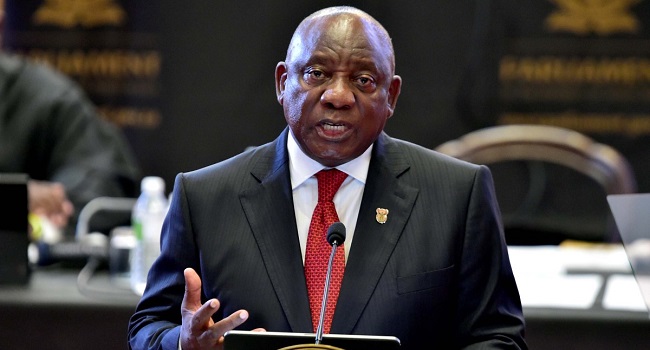
South Africa’s decision to admit more than 150 Palestinians who arrived under mysterious circumstances has ignited intense debate across diplomatic, humanitarian, and geopolitical circles. While the government insists the move was driven by compassion, President Cyril Ramaphosa’s comments that the group may have been “flushed out” of Gaza have raised more questions than answers- particularly about how and why these Palestinians were suddenly rerouted to Johannesburg.
The arrivals, the second group of Palestinians to reach South Africa in recent months, have thrust the country into the centre of global discussions about migration, the Israel-Gaza conflict, and Africa’s evolving diplomatic posture on international crises.
A Mysterious Journey: 153 Palestinians Arrive Without Israeli Exit Stamps
The latest incident unfolded on Thursday when 153 Palestinians landed at O.R. Tambo International Airport aboard a chartered aircraft. However, what should have been a routine humanitarian reception turned into a tense standoff.
South African border authorities initially refused to allow the passengers to disembark after noting that none of them carried Israeli departure stamps - a key requirement for processing individuals leaving the Gaza Strip through Israeli-controlled crossings.
The passengers - men, women, and children- remained stranded on the aircraft for 12 hours.
It was only after the South African NGO Gift of the Givers, known globally for its emergency response efforts, guaranteed accommodation and support that the Home Affairs Ministry permitted passengers to enter the country.
President Cyril Ramaphosa, addressing journalists the next day, did little to calm the speculation surrounding their arrival. “It does seem like they were being flushed out,”
Ramaphosa added that their journey was “mysterious” and that South Africa would investigate “the details” while emphasizing that the country acted “out of compassion.”
How They Got Here: Confusion, Exploitation, and an Unregistered Group
In a sharp development, the Palestinian embassy in South Africa revealed that both sets of Palestinian arrivals - in October and now, had their travel arranged by an unregistered and misleading organization.
The embassy accused the group of exploiting dire humanitarian conditions in Gaza, deceiving desperate families, collecting money from vulnerable civilians and arranging irregular, unsafe travel routes.
The organization reportedly facilitated flights via Kenya before landing in South Africa - raising questions about coordination, legality, and the possible involvement of international actors.
The embassy criticized the exploitation of Palestinians seeking refuge, stating that the organizing body failed to coordinate with recognized Palestinian authorities.
Who Has Entered South Africa?
According to the Ministry of Home Affairs, 130 Palestinians have formally entered South Africa, 23 passengers boarded connecting flights to other countries, and all are currently receiving humanitarian assistance from Gift of the Givers.
This follows a previous arrival on October 28, when 176 Palestinians landed in Johannesburg. Many of those passengers later travelled onward to other nations.
South Africa’s Strong Position on the Israel–Gaza Conflict
South Africa has been one of Israel’s most vocal critics on the African continent.
The country - home to the largest Jewish community in sub-Saharan Africa - has also been one of the strongest advocates for Palestinian rights, drawing parallels between apartheid and the Palestinian experience.
In 2023, South Africa filed a case against Israel at the International Court of Justice (ICJ) accusing it of genocide in Gaza. This move drew global attention and sharply divided international opinion. While supported by much of Africa and the Global South, it sparked condemnation from Western allies.
The arrival of undocumented Palestinians in South Africa now intersects with the country’s historical, political, and moral positioning.
What This Means for Africa, Global Politics, and Migration
1. A New African Leadership Role in Global Crises
Africa has often been on the receiving end of humanitarian intervention. This incident flips the script. South Africa is emerging as a vocal defender of human rights on the world stage - particularly within the Global South. By openly challenging Israel and welcoming Palestinians despite logistical anomalies, the country is asserting humanitarian leadership, moral authority and a growing influence in international law
2. Possible Diplomatic Fallout
Ramaphosa’s remarks that Palestinians may have been “flushed out” indirectly implicate Israel in questionable migration actions.
This could escalate diplomatic tensions between South Africa and Israel, Israel and other African nations, as well as South Africa and Western allies.
Several European countries have already criticized South Africa’s ICJ genocide case filing. This incident may deepen geopolitical rifts.
3. Human Trafficking or Coordinated Evacuation?
The involvement of an unregistered group raises multiple concerns: Was this human trafficking under a humanitarian disguise? Were Palestinians coerced or misled, or did international actors facilitate an unofficial evacuation? These unanswered questions will shape investigations.
4. Implications for Africans - Especially Nigerians
For African nations such as Nigeria, this case holds deeper lessons.
a) Migration Control and Security
The arrival of individuals without legitimate travel documentation exposes weaknesses in African border systems. Nigeria - facing its own migration challenges - may need to revisit its airport security, documentation verification, and screening of humanitarian arrivals.
b) Diplomatic Risks
As African countries take stronger positions on global conflicts, they may face diplomatic retaliation in trade, visa policies and security cooperation
c) The Moral Question
Africa, a continent with a rich history of displacement and struggle, must decide to what extent humanitarian compassion should guide immigration policies, and what happens when compassion clashes with national security?
South Africa’s current balancing act is a case study for the entire continent.
Source Links
https://www.aljazeera.com/news