South Africa Condemns Trump’s G20 Ban as ‘Punitive,’ Calls for Respect for Multilateralism
South Africa has slammed US President Trump’s decision to bar it from the 2026 G20 summit, calling the move punitive, based on misinformation and harmful to global cooperation - a stark diplomatic rupture after the US boycott of this year’s Johannesburg summit.
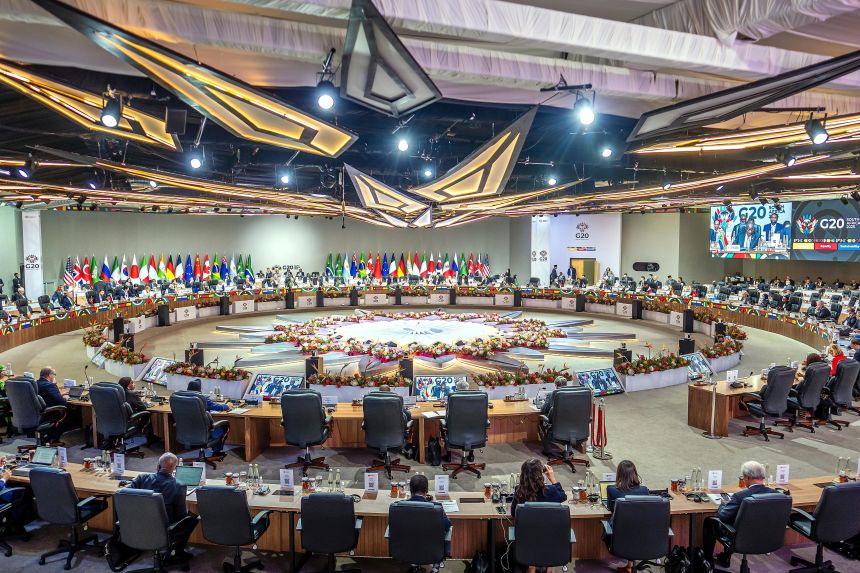
South Africa has sharply denounced US President Donald J. Trump’s decision to bar it from participating in the 2026 Group of Twenty (G20) summit, calling the move punitive and rooted in distortions that undermine global cooperation. (Vanguard News)
In a government statement issued late Wednesday, Pretoria insisted that South Africa remains a full G20 member in its own right, and rejected any suggestion that its participation depends on approval from the US. The presidency affirmed the country’s sovereign status and condemned what it described as “insults” to South Africa’s dignity and international standing. (The Guardian)
The statement reiterated South Africa’s intention to remain active and constructive within the G20 framework, arguing that the exclusion undermines the spirit of multilateralism and equal footing among diverse nations. (www.ndtv.com)
What Trump cited - and why South Africa says he’s wrong
Trump announced on November 26, 2025, that South Africa would not be invited to the 2026 G20 summit, slated to take place in Miami. (Reuters)
According to the US president, the decision stems from what he described as “horrific human rights abuses” inflicted on white farmers and the broader white community in South Africa - including allegations of farm seizures and violence. He also cited Pretoria’s refusal to symbolically hand over the G20 presidency at the Johannesburg summit to a US embassy official. (Al Jazeera)
But Pretoria dismissed the allegations as baseless and rooted in misinformation. South African authorities, including President Cyril Ramaphosa, have repeatedly rejected the notion of a “white-farmer genocide,” arguing that South Africa’s high crime rates affect all citizens regardless of race - and that the government’s land-reform efforts are not targeting any group based on race.
Moreover, South Africa denies that the formal handover of the G20 presidency to the US at the summit’s close was ever properly requested, describing the US demand as a breach of diplomatic norms. They instead organized a low-key handover via their foreign ministry after the summit. (Africanews)
From boycott to exclusion: A deepening diplomatic rift
The ban escalates tensions that first surfaced when the US decided to skip the G20 summit held in Johannesburg last week - the first time the African continent hosted the global leaders’ meeting.
Washington’s absence was seen as a blow to the summit’s legitimacy - especially because the US is a founding member of the G20 and traditionally plays a major role in global economic governance. (The Washington Post)
The US decision to exclude South Africa from the 2026 summit - and to cut subsidies and foreign assistance - adds another layer of diplomatic and economic pressure.
In response, South Africa’s government accused the US of applying punitive measures based on distortions and repeated its commitment to multilateral engagement. Pretoria described Trump’s actions as an “insult” and reaffirmed that its G20 status cannot be unilaterally revoked by a single country.
Global reactions and broader implications
International observers view the spat as a sign of growing strain in US-Africa relations - and as a potential blow to the credibility and inclusivity of global institutions like the G20. Experts warn that excluding a key emerging-market economy from a major summit undermines the idea of multilateral collaboration at a time when global challenges - from climate change to debt crises - demand inclusive cooperation.
The move may also set a precedent: if powerful countries can unilaterally exclude peers from multilateral forums over political or ideological disagreements, smaller and emerging economies may lose faith in system-wide cooperation. For South Africa, the decision could hinder its ability to influence future G20 decisions, especially on issues such as debt relief, climate justice, and development financing - areas critical to many countries in Africa and the Global South.
Moving Forward - unresolved tensions and an uncertain path ahead
South Africa has vowed to continue participating in G20 structures regardless of US posture, and to uphold its membership rights - challenging the notion that any single country can determine membership or attendance.
But for now, the diplomatic rupture between Pretoria and Washington appears deep, driven by conflicting narratives over domestic policy, race, and land reform. Unless bridges are rebuilt - either through dialogue or a shift in rhetoric - this standoff could mark a more enduring fracture in global diplomacy.
For the broader G20: the exclusion raises serious questions about the group’s future as a credible, inclusive forum representing both powerful and developing nations. It also highlights the growing influence of domestic politics on international diplomacy, even within institutions designed to transcend national divides.
In short: what began as a boycott has morphed into an exclusion - and the fallout may define the next chapter of global multilateral cooperation.