South Africa Arrests 80 Over Xenophobic Attacks as Crackdown Targets Vigilante Groups
South African authorities have arrested about 80 suspected vigilantes linked to recent xenophobic attacks on migrants. The government says it is committed to prosecuting offenders and restoring law and order amid growing diplomatic concerns.
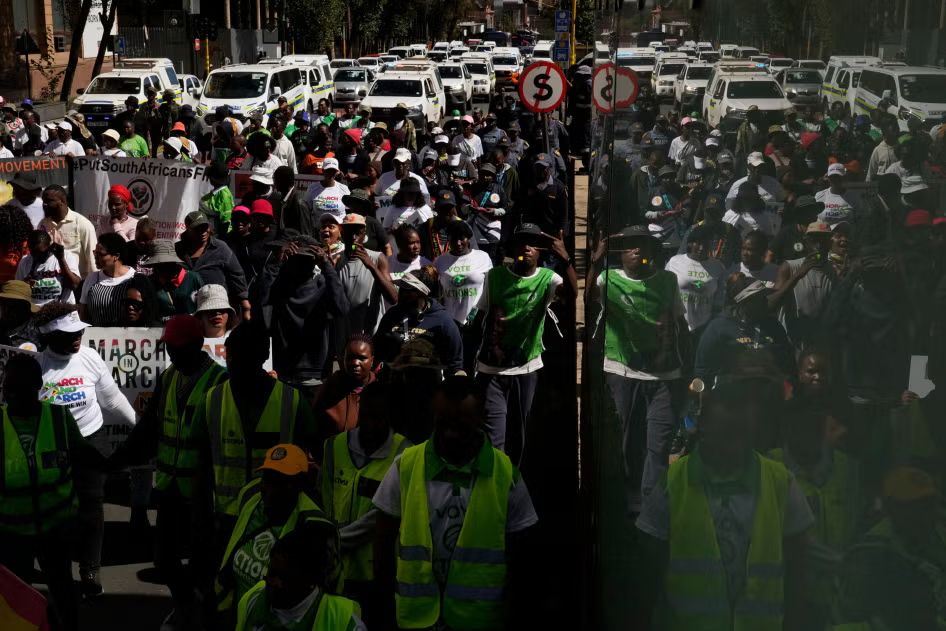
South African authorities have arrested about 80 suspected members of vigilante groups accused of participating in recent xenophobic attacks against migrants, marking a significant step in the government's efforts to contain a wave of anti-immigrant violence that has strained diplomatic relations across Africa.
South Africa's Consul-General confirmed the arrests to Nigeria, Prof. Bobby Moroe, who said the suspects were detained for allegedly taking part in attacks targeting foreign nationals and engaging in other criminal activities. He stressed that the South African government does not support xenophobia and remains committed to ensuring that perpetrators face justice. (Punch Newspapers)
The announcement comes after weeks of escalating attacks on migrants in several parts of South Africa, prompting widespread condemnation from African governments, civil society organisations and human rights groups.
Government Condemns Vigilante Violence
Speaking on the arrests, Moroe emphasised that only legally authorised institutions have the power to enforce immigration laws.
He said self-appointed vigilante groups have no legal mandate to stop, intimidate or attack migrants, regardless of their immigration status.
"Only competent law enforcement agencies and immigration officers have the legal standing to deal with migration issues," he said, reiterating Pretoria's commitment to protecting all residents within its borders. (PM News Nigeria)
South African authorities also stressed that criminal suspects, whether citizens or foreign nationals, must be investigated and prosecuted through the country's judicial system rather than by mobs or vigilante groups.
Background to Violence
The latest violence erupted after anti-immigration groups intensified protests demanding the removal of undocumented migrants from South Africa.
Some demonstrations later turned violent, with reports of attacks on homes, businesses and informal settlements occupied by migrants from countries including Nigeria, Zimbabwe, Malawi, Ethiopia, Somalia and Mozambique.
Human rights organisations say thousands of migrants have fled affected communities, while several deaths and numerous injuries have been reported during the unrest. (The Guardian)
Although many demonstrations began as anti-illegal immigration protests, critics argue that they increasingly targeted both documented and undocumented foreign nationals indiscriminately.
Nigeria Raises Diplomatic Concerns
The attacks have generated serious diplomatic concern in Nigeria, whose citizens have frequently been among those affected by previous waves of xenophobic violence in South Africa.
During recent bilateral talks in Abuja, Nigerian officials urged Pretoria to take stronger action against those responsible and to ensure the safety of Nigerians living legally in South Africa.
Nigeria also questioned reports of inadequate police intervention during some of the attacks and called for greater accountability from South African authorities. (reuters.com)
South Africa responded by reaffirming that xenophobia is not government policy and pledged to prosecute individuals responsible for attacks on foreign nationals.
South Africa Rejects Xenophobia
South African officials have repeatedly rejected suggestions that the government condones anti-immigrant violence.
International Relations Minister Ronald Lamola recently stated that South Africa opposes xenophobia, racism and all forms of discrimination.
He acknowledged that concerns exist regarding illegal immigration and criminal activity but insisted these issues must be addressed through lawful policing rather than mob action.
The government has also pledged to strengthen police deployment in vulnerable communities, improve early warning systems and enhance cooperation with affected countries.
Why the Tensions Persist
South Africa has long struggled with periodic outbreaks of xenophobic violence.
Analysts attribute recurring tensions to a combination of high unemployment, poverty, crime, housing shortages and competition for limited economic opportunities.
Foreign nationals are often accused without evidence of taking jobs, increasing crime or placing pressure on public services.
Experts caution that such narratives frequently lead to scapegoating migrants rather than addressing the structural economic challenges facing the country.
Human Rights Concerns
Human rights organisations have condemned the recent attacks, describing them as violations of fundamental rights.
Groups monitoring the violence report that many migrants have been beaten, robbed, forcibly displaced or threatened by vigilante groups demanding they leave their communities.
Aid agencies have also raised concerns about access to healthcare, shelter and food for displaced families.
International organisations continue to urge South African authorities to protect vulnerable populations while ensuring accountability for those responsible for acts of violence.
Broader African Response
The renewed attacks have prompted calls within the African Union (AU) for a broader discussion on migration, cross-border movement and the protection of migrants across the continent.
South Africa has indicated that the AU supports expanding dialogue on migration issues to reduce tensions and develop long-term solutions to challenges associated with regional mobility.
Diplomatic observers believe closer cooperation among African governments will be necessary to address both irregular migration and the recurring outbreaks of xenophobic violence.
Crackdown Continues
Authorities say investigations remain ongoing and additional arrests are possible as police identify more individuals allegedly involved in attacks on migrants.
Law enforcement agencies have vowed to dismantle vigilante networks accused of organising assaults and intimidation campaigns.
Officials also encouraged victims to report incidents promptly and assured affected communities that security agencies would continue working to restore public order.
Looking Ahead
The arrest of approximately 80 suspected vigilantes represents one of the most significant law enforcement responses to recent xenophobic violence in South Africa.
However, analysts warn that arrests alone may not resolve the underlying social and economic factors driving anti-immigrant sentiment.
Many believe lasting progress will require stronger law enforcement, improved public education, economic reforms and greater regional cooperation on migration management.
For now, the government's latest crackdown sends a clear message that violence against migrants will not be tolerated and that those responsible will face prosecution under South African law.