Six Americans Exposed to Ebola Amid DR Congo Outbreak as Global Health Authorities Raise Alert
Six Americans have reportedly been exposed to Ebola during the latest outbreak in the Democratic Republic of Congo, prompting intensified health monitoring and renewed fears over the spread of the deadly virus.
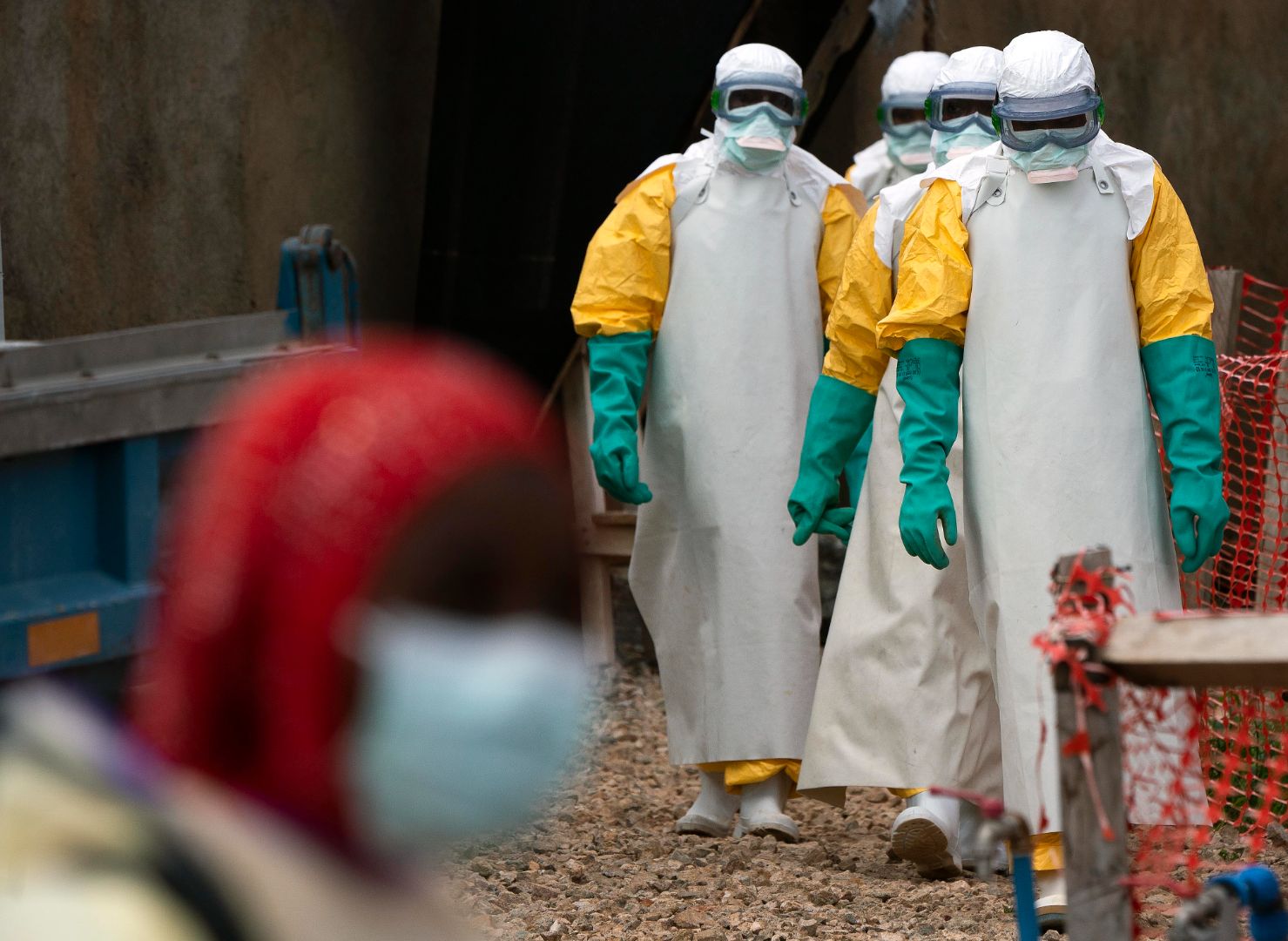
Health authorities in the United States and Central Africa are on high alert after six American citizens were reportedly exposed to the Ebola virus during the ongoing outbreak in the Democratic Republic of Congo.
The incident has triggered heightened international concern as medical experts and humanitarian agencies race to contain the outbreak before it spreads further across borders.
According to reports from international health agencies, the Americans were exposed while participating in humanitarian and outbreak response operations in eastern Congo, where several Ebola cases and deaths have already been confirmed.
Although none of the exposed individuals had reportedly shown severe symptoms at the time of the announcement, health authorities immediately activated emergency monitoring and containment protocols.
The development has renewed memories of previous Ebola epidemics that devastated parts of Africa and sparked global panic over international transmission risks.
How the Exposure Happened
Officials familiar with the situation said the six Americans were part of aid, logistics, or medical support operations in outbreak-affected communities.
Exposure reportedly occurred during interactions with infected individuals or contaminated environments while assisting with treatment and contact-tracing activities.
Public health officials stressed that exposure to Ebola does not necessarily mean infection, but all individuals who may have had direct contact with infected bodily fluids are considered high-risk contacts until the monitoring period ends.
The Americans are now believed to be under strict medical observation, including daily symptom checks and possible quarantine procedures.
The Centers for Disease Control and Prevention is reportedly coordinating closely with Congolese health authorities and international response agencies to ensure proper surveillance measures are maintained. (cdc.gov)
Renewed Ebola Outbreak in Eastern Congo
The latest outbreak was confirmed earlier this month in eastern DR Congo, a region that has repeatedly battled Ebola outbreaks over the years.
Authorities in Congo said the outbreak emerged in remote communities where healthcare access remains limited due to ongoing insecurity, displacement, and poor infrastructure.
Medical teams have already been deployed to affected areas to establish treatment centers, trace contacts, and administer vaccines to high-risk populations.
The World Health Organization has described the situation as serious but manageable if containment measures are implemented quickly and effectively. (who.int)
Health experts warn that eastern Congo’s unstable security situation could complicate response operations, as armed conflict and distrust of authorities have historically disrupted disease containment efforts.
Ebola Remains One of the World’s Deadliest Viruses
Ebola Virus Disease remains among the most dangerous infectious diseases known to humanity.
The virus spreads primarily through direct contact with bodily fluids from infected individuals, contaminated materials, or infected animals.
Symptoms typically include sudden fever, fatigue, muscle pain, vomiting, diarrhea, and in severe cases, internal and external bleeding.
Fatality rates vary depending on the outbreak and quality of medical care, but some Ebola strains have killed up to 90 percent of infected patients during previous epidemics.
Medical experts say rapid detection and isolation remain critical to prevent widespread transmission.
The latest outbreak has once again highlighted the extreme dangers faced by frontline healthcare workers and humanitarian personnel responding to epidemics in high-risk environments.
International Health Agencies Mobilize
In response to the exposure incident, international health agencies have intensified emergency response operations across the region.
The World Health Organization, along with several humanitarian groups, has expanded surveillance programs and vaccination campaigns in affected communities.
Neighboring countries have also increased border screening and disease monitoring procedures to reduce the risk of cross-border transmission.
Officials said modern Ebola vaccines and improved outbreak response systems provide stronger defenses compared to earlier epidemics, particularly the catastrophic West African outbreak between 2014 and 2016.
That epidemic killed more than 11,000 people across Liberia, Sierra Leone, and Guinea while causing global fear and severe economic disruption.
Since then, international public health systems have significantly improved preparedness, rapid testing capabilities, and emergency coordination.
Concerns Over International Spread
The exposure of American citizens has naturally raised questions about whether the outbreak could spread internationally.
Health experts, however, emphasized that Ebola is far less contagious than airborne diseases such as COVID-19 or influenza.
Transmission usually requires direct physical contact with infected fluids, making widespread international spread less likely when proper monitoring systems are in place.
Still, governments remain cautious.
U.S. health authorities are reportedly conducting risk assessments involving all individuals connected to the exposure incident.
Travel monitoring systems have also been strengthened in several countries receiving passengers from Central Africa.
The U.S. Department of State has advised travelers heading to outbreak regions to exercise caution and follow official health guidance closely. (travel.state.gov)
Humanitarian Workers Face Growing Risks
The situation has once again drawn attention to the enormous risks faced by humanitarian and healthcare workers operating in epidemic zones.
Aid workers responding to outbreaks often operate under extremely difficult conditions, including poor sanitation, limited protective equipment, armed violence, and public distrust.
In previous Ebola outbreaks in Congo, several health workers themselves became infected while treating patients.
Humanitarian organizations say the latest incident underscores the need for sustained investment in protective training, medical infrastructure, and emergency preparedness.
Several aid agencies have also appealed for increased international support to help Congo strengthen its fragile healthcare system.
Global Lessons from Ebola
Public health experts say the latest outbreak serves as another reminder that infectious disease threats remain a global challenge.
In an interconnected world, local outbreaks can rapidly become international concerns through travel, humanitarian operations, and economic networks.
Health officials argue that investments in disease surveillance, vaccine research, and public health systems are essential to preventing future crises.
While authorities remain optimistic that the current outbreak can be contained, they warn that complacency could prove dangerous.
The coming weeks are expected to be critical as health workers continue tracing contacts, monitoring exposed individuals, and attempting to prevent further spread.
For now, global attention remains focused on eastern Congo as medical teams work urgently to stop another potentially devastating Ebola epidemic.