Separatist Leader Nnamdi Kanu Sentenced to Life Imprisonment in High-Profile Terrorism Conviction
Nigerian court convicts Nnamdi Kanu, leader of the Indigenous People of Biafra (IPOB), on multiple terrorism charges, sentencing him to life. The decision sparks controversy and deepens national and ethnic tensions.
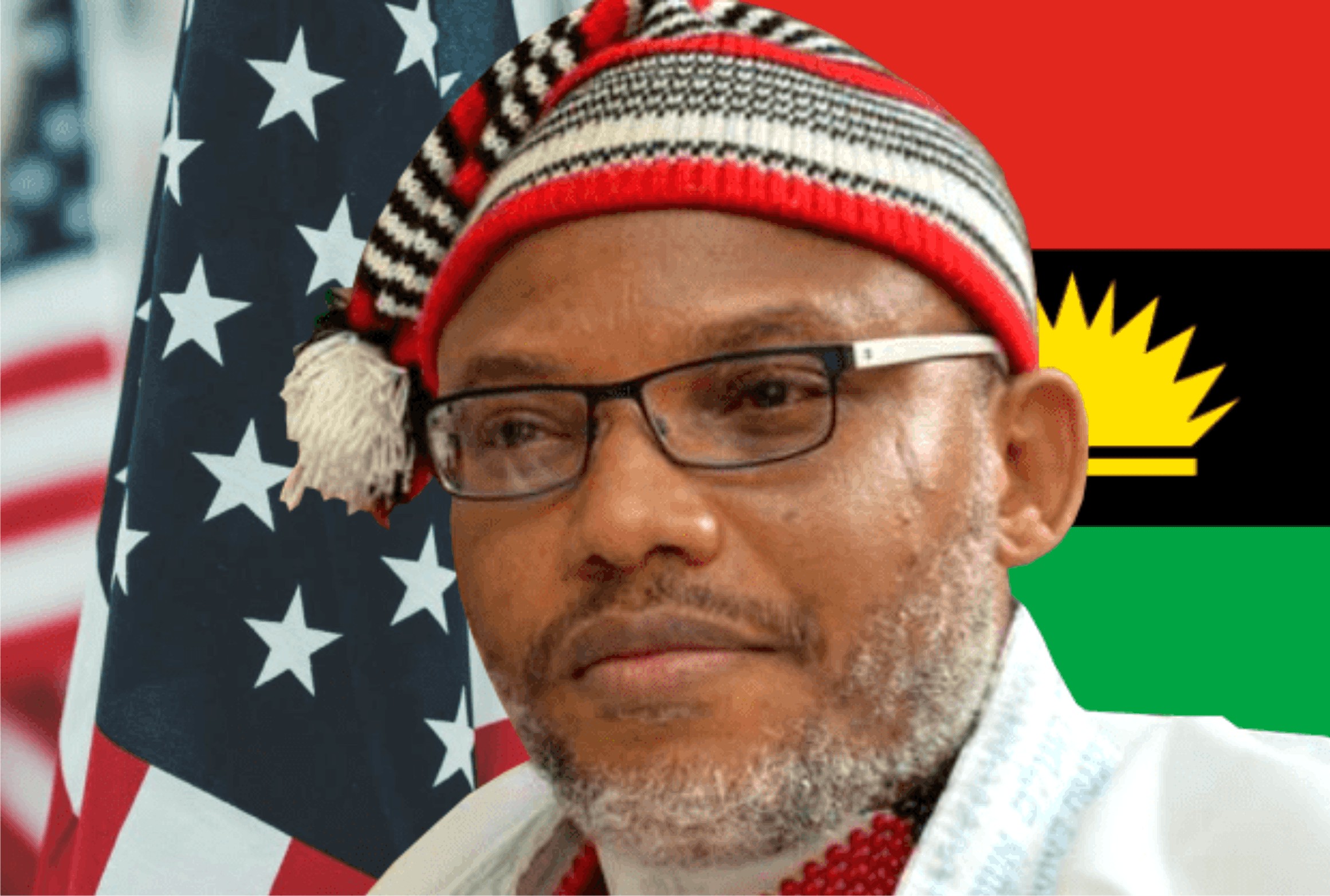
In a landmark verdict, a Federal High Court in Abuja has sentenced Nnamdi Kanu, the leader of the proscribed Indigenous People of Biafra (IPOB), to life imprisonment after convicting him on several terrorism-related charges. The judgment, delivered on 20 November 2025, marks a major moment in Nigeria’s long-running struggle with secessionist agitation in the southeast. - Channels Television
Charges, Conviction, and Sentence
Justice James Omotosho, presiding over the case, found Kanu guilty on seven separate counts, including incitement, terrorism, and ordering “sit-at-home” directives in the southeastern region. - Vanguard News
Rather than impose the death penalty, which prosecutors had sought, the judge opted for life imprisonment on four of the counts (1, 4, 5, and 6). For Count Three, relating to membership in a banned organization, Kanu received 20 years in prison, and for Count Seven, involving the unlawful importation of radio equipment, he got a 5-year term. (Independent Newspaper Nigeria) All sentences were ruled to run concurrently, meaning they overlap rather than add up consecutively.
Justice Omotosho explained that, though the law did provide for the death sentence, he chose life imprisonment in part due to international concerns over capital punishment. - Sahara Reporters
Government Reaction and Significance
After the ruling, Adegboyega Awomolo, the lead counsel for the Federal Government, praised the decision as a clear signal that “no one is above the law.” He thanked the judiciary and said the judgment should discourage “miscreants, terrorists, and criminals” from using violence or incitement.
The court also ordered that Kanu’s radio transmitter - used to broadcast Radio Biafra - be forfeited to the Nigerian government. - VON
Reaction from Kanu’s Side
Kanu’s lawyer, Aloy Ejimakor, announced that they will immediately appeal the sentence at the Court of Appeal, calling the verdict unacceptable. He argued that Kanu’s prosecution was rooted in his speech and broadcasts, not in violent action, and described the conviction as a “travesty of justice.”
Ejimakor added that if the Court of Appeal does not rule in their favour, they would take the case to the Supreme Court, asserting that Kanu’s rights were violated, and that the conviction rests on interpreting his speech as violence.
Broader Impact: Ethnic, Political & Legal Reverberations
The decision has sparked strong reactions among Igbo leaders and civil society. Former Senate President Adolphus Wabara declared that the ruling symbolically condemns every Igbo man to a “life sentence,” framing it as an attack on the entire ethnic group.
Similarly, Chief Johnson Okolo, a prominent Igbo businessman, said the judgment continues a long legacy of perceived “post-Biafra oppression” against his people.
On the other hand, the Federal Government and its legal team argue that the sentence is a vindication of Nigeria’s rule of law.
The Nnamdi Kanu Saga: A Brief Recap
Nnamdi Kanu is the leader of IPOB, a separatist organization that seeks a revived Biafra state in southeastern Nigeria. (Wikipedia) He first came to court in 2015 on treasonable felony charges but disappeared in 2017. In a controversial move, he was arrested in Kenya in 2021 and returned to Nigeria to face terrorist prosecution. His trial, which has spanned several years, has been marked by courtroom drama - Kanu reportedly dismissed his legal team and represented himself. - The Ear Witness
Implications for National Security and Unity
The life sentence of Kanu is likely to have deep and long-lasting political, social, and security implications, amongst which are:
Deterrence vs. Alienation: The government may view the outcome as a deterrent to separatist violence. But many in the southeast see it as criminalizing dissent and could further polarize ethnic divisions.
Legal Precedent: The ruling underscores the reach of Nigeria’s Terrorism Prevention Act and sets a tough precedent for other separatist movements.
Appeals Watch: With his lawyers already promising to appeal, this is likely not the end of the legal fight; higher courts may revisit key legal arguments.
International Scrutiny: The judge’s decision to spare the death penalty underlines growing global pressure on Nigeria about human rights and the use of capital punishment.
IPOB’s Future: With Kanu behind bars, the fate of IPOB is uncertain. The group could fracture, radicalize, or seek new leadership - all with unpredictable consequences.
Final Thoughts
Nnamdi Kanu’s conviction and sentencing to life imprisonment marks a historic moment in Nigeria’s post-civil war history. For the government, it is a major legal victory in its fight against secessionist agitation. For IPOB’s supporters, it is a painful defeat - one that may reshape their activism or harden their resolve.
One thing is clear: the judgment will echo for years, through Nigeria’s courts, its political system, and its communities.