Saudi Arabia Joins US in Strikes on Iran-Backed Militias in Iraq as Middle East Tensions Escalate
Saudi Arabia has joined the United States in coordinated airstrikes against Iran-backed militias in Iraq following a wave of drone and missile attacks targeting U.S. forces and Saudi oil infrastructure. The operation marks a major escalation in the Middle East conflict.
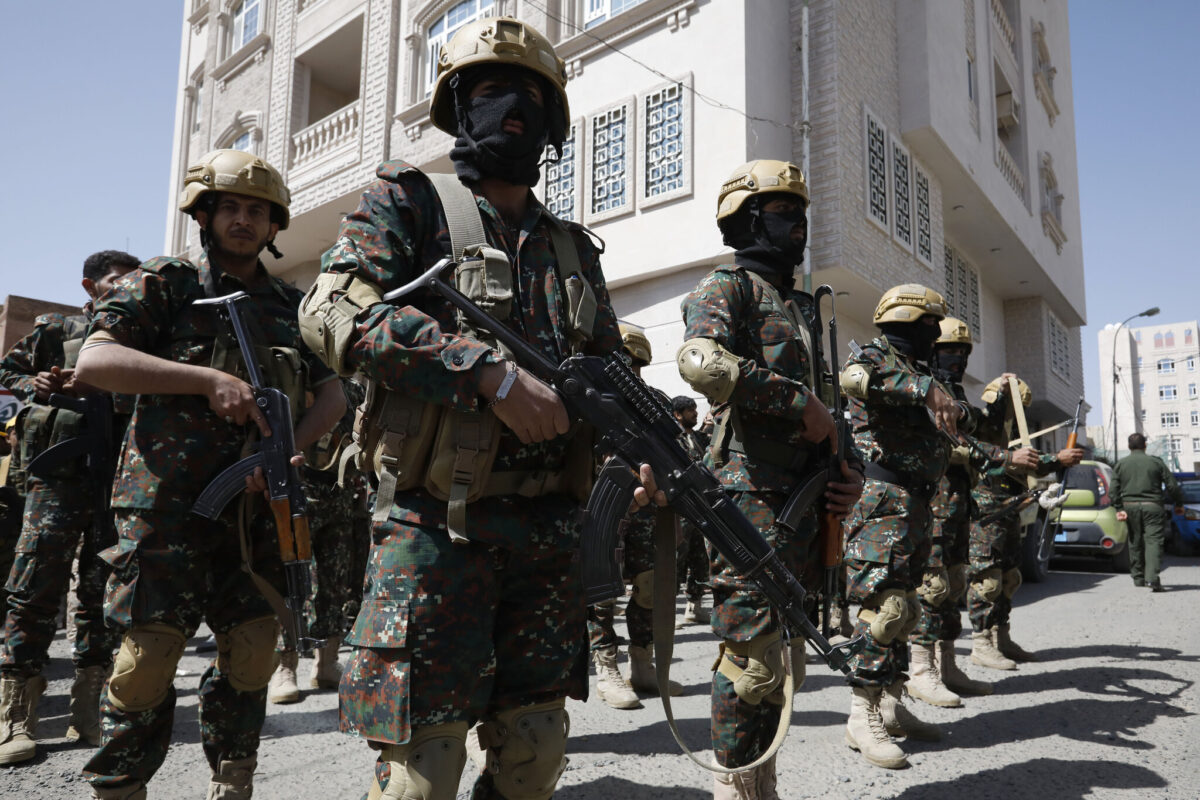
The Middle East moved closer to a wider regional conflict after Saudi Arabia joined the United States in launching coordinated airstrikes against Iran-backed militias in Iraq, marking one of the most significant military collaborations between the two allies in recent years.
The joint operation came after a series of drone and missile attacks that Washington and Riyadh blamed on Iran-backed armed groups operating from Iraqi territory. The strikes targeted militia facilities across several Iraqi provinces, intensifying fears that the confrontation between Iran and its regional rivals could spill into a broader war. (AP News)
According to U.S. officials, the military action was intended to degrade the operational capabilities of armed groups accused of repeatedly targeting American forces and Saudi strategic infrastructure. Saudi Arabia also said it acted in self-defence after intercepting drones allegedly launched toward its oil facilities.
Joint Military Operation
The coordinated strikes reportedly hit bases and logistical facilities linked to Iran-aligned militias, including elements associated with Iraq's Popular Mobilisation Forces (PMF), an umbrella organisation that includes several powerful Shiite armed factions.
Officials said the operation followed more than 30 drone attacks allegedly directed at Saudi territory and U.S. military installations in the region. American forces had also intercepted an Iranian missile barrage aimed at U.S. troops stationed in Jordan shortly before the retaliatory operation.
Saudi participation represents a notable shift in the kingdom's military posture, reflecting growing concern over repeated attacks on its energy infrastructure and national security.
Casualties Reported
The PMF announced that at least 20 of its members were killed and dozens more wounded during the airstrikes.
The alliance condemned the attacks as a violation of Iraqi sovereignty and accused Washington and Riyadh of escalating regional instability. Iraqi authorities have not released an independent casualty assessment, and the full extent of the damage remains unclear. (euronews)
Several militia factions denied responsibility for some of the recent drone attacks on Saudi Arabia, with some suggesting other regional actors could have been involved.
Why Saudi Arabia Joined
Saudi Arabia has long viewed Iran-backed militias as one of the principal threats to its national security.
In recent months, the kingdom has reported multiple attempted attacks on oil facilities, airports and critical infrastructure by groups allied with Tehran.
Saudi officials argued that joining the U.S.-led operation was necessary to deter further attacks and protect regional stability.
Analysts say Riyadh's decision signals a willingness to move beyond defensive measures and participate directly in military operations against groups it believes threaten its territory. (Gulf News)
Iran Yet to Respond Officially
As of the latest reports, Iran had not issued a detailed official response to the joint strikes.
However, Tehran has consistently denied directing attacks against Saudi Arabia or U.S. forces, maintaining that regional resistance groups operate independently.
Iran has repeatedly accused Washington of destabilising the Middle East through military interventions and sanctions, while also condemning what it describes as foreign interference in Iraq's internal affairs.
Iraq Faces Growing Pressure
The latest military action places Iraq in an increasingly difficult position.
Many of the targeted militias are officially incorporated into the Popular Mobilisation Forces, a state-recognised security institution established during the fight against the Islamic State.
While some factions remain closely aligned with Tehran, they also wield considerable political influence inside Iraq, with representatives serving in parliament and government.
The Iraqi government now faces renewed pressure to balance relations with both the United States and neighbouring Iran while preventing its territory from becoming a battleground for regional rivalries.
Risk of Wider Regional Conflict
Security analysts warn that the coordinated U.S.-Saudi operation could trigger retaliatory attacks from Iran-backed groups across Iraq, Syria and other parts of the Middle East.
The strikes also raise concerns about the security of global energy supplies, particularly as tensions remain high around the Strait of Hormuz and the Red Sea, two of the world's most important oil shipping routes.
Recent disruptions to shipping have already contributed to volatility in global energy markets, with investors closely monitoring further military developments. (Vox)
Washington's Position
U.S. officials defended the operation as a proportionate response designed to protect American personnel and allied interests.
The Pentagon said it remains fully prepared to respond to additional threats while continuing to support regional partners against attacks by Iranian-backed armed groups.
Officials also stressed that the objective was to reduce the militia’s ability to launch future drone and missile strikes rather than expand the conflict.
International Reactions
Governments across the region are closely monitoring the situation, with many urging restraint to prevent further escalation.
Diplomatic observers fear that additional retaliatory attacks could undermine ongoing efforts to stabilise Iraq and complicate broader negotiations aimed at reducing tensions between Iran and Gulf Arab states.
International organisations have also renewed calls for dialogue, warning that continued military exchanges could have significant humanitarian and economic consequences.
Outlook
The joint U.S.-Saudi airstrikes represent a major turning point in the evolving Middle East security landscape.
For Saudi Arabia, the decision to participate directly reflects growing concern over persistent attacks on its territory and strategic assets.
For the United States, the operation reinforces its commitment to protecting its forces and regional allies against threats posed by Iran-backed armed groups.
Whether strikes deter future attacks or provoke another cycle of retaliation remains uncertain. However, with multiple regional actors now directly involved, the risk of a broader conflict has increased significantly, making diplomacy and de-escalation more urgent than ever.