Russian Strikes Leave 600,000 Without Power in Ukraine as Zelensky Condemns Attack
Russian missile and drone strikes have left at least 600,000 people without electricity in Ukraine, President Volodymyr Zelensky says, raising fresh concerns about civilian safety and winter energy supplies.
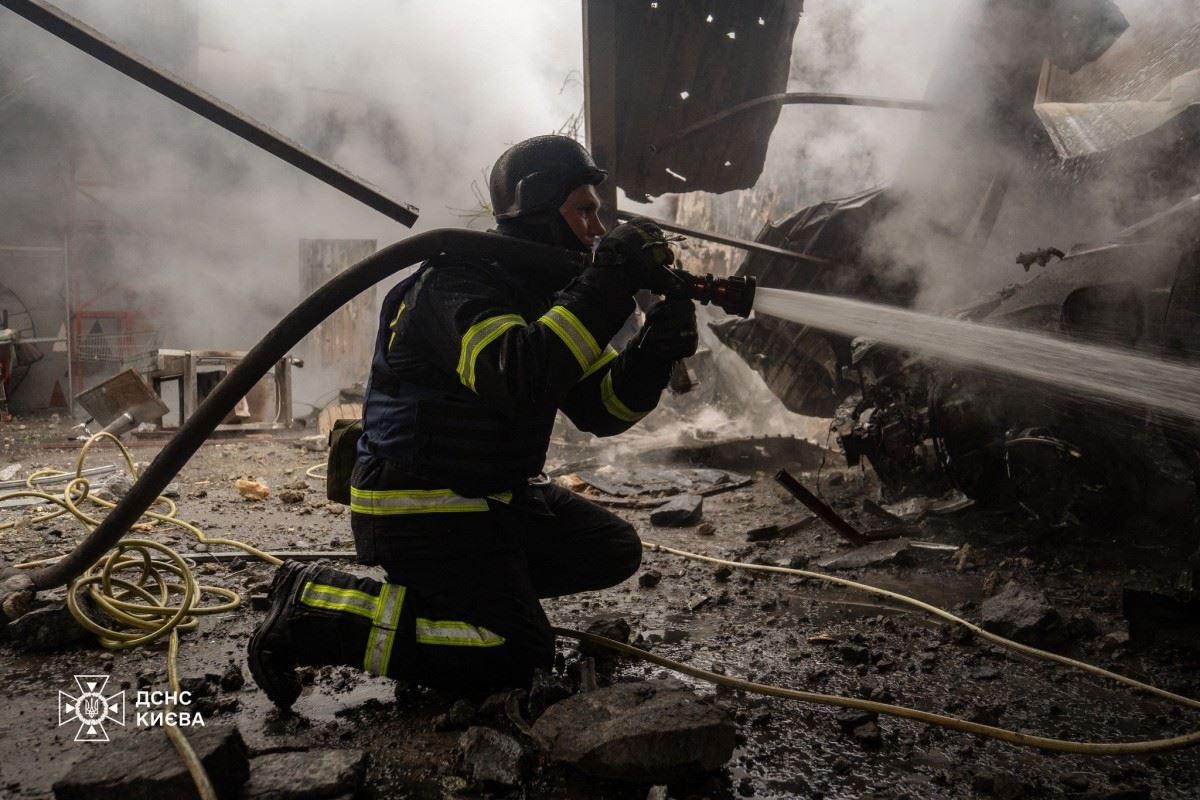
At least 600,000 people in Ukraine were left without electricity following a major overnight Russian missile and drone assault on critical infrastructure, Ukrainian President Volodymyr Zelensky has said, as fresh attacks intensified concerns about the country's energy security ahead of winter.
The strikes, which primarily affected Kyiv, the surrounding region and Kharkiv, Ukraine's second-largest city, damaged dozens of energy facilities and killed at least three people in the capital, according to Ukrainian authorities and a report by Reuters.
The assault came amid renewed diplomatic uncertainty over an energy ceasefire that US President Donald Trump had said was agreed between Russia and Ukraine. Zelensky condemned the strikes, arguing that the scale and timing of the bombardment demonstrated Moscow's unwillingness to respect Washington's diplomatic efforts.
The immediate concern is the impact on civilians, who face disruptions to electricity, heating and other essential services as temperatures fall across parts of the country.
According to Zelensky, the damage could result in even wider power outages as emergency workers assess affected sites and attempt to restore electricity supplies.
The attack represents another serious test for Ukraine's already strained energy infrastructure after repeated Russian bombardments throughout the war.
39 missiles and more than 120 drones reported
The scale of the overnight assault highlighted the continuing threat posed by Russia's aerial campaign against Ukraine's power system.
According to information released by Zelensky, Russian forces deployed 39 ballistic missiles and more than 120 attack drones and loitering munitions against energy and other critical infrastructure. The Ukrainian president said 26 electricity-related facilities and four oil and gas facilities were damaged.
Reuters reported that approximately 30 energy facilities were affected in Kyiv and Kharkiv, with emergency services and energy workers responding to the damage.
The Ukrainian authorities also reported a low rate of missile interception during the attack. According to Reuters, Ukraine said it intercepted only four of the 39 missiles, underlining the challenges facing its air-defence systems amid sustained attacks and shortages of defensive weapons.
The attacks also targeted railway infrastructure in five Ukrainian regions, according to Prime Minister Sergii Koretskyi, adding pressure to transport networks that remain important for civilian movement, logistics and military supply operations.
Zelensky accuses Moscow of undermining the energy ceasefire
The latest strikes have intensified diplomatic tensions because they followed Trump's announcement that Russia and Ukraine had agreed to stop attacking each other's energy infrastructure.
Zelensky described the bombardment as a deliberate attack on facilities supposedly covered by the proposed ceasefire. He also accused Moscow of showing disregard for the US president's statements.
The Ukrainian leader's criticism raises questions about whether Washington's announcement represented an agreement accepted by both sides or a diplomatic initiative that had yet to secure their formal commitment.
Reporting by Associated Press on October 12 described Ukraine's concerns about continued attacks following Trump's announcement. Zelensky said Ukraine was willing to observe an energy truce, while the Kremlin indicated that discussions were continuing without providing confirmation of a fully established agreement.
The distinction is important. An announcement by a third-party mediator does not, by itself, establish that the countries at war have agreed on the terms, scope and enforcement of a ceasefire.
The latest assault has therefore put renewed pressure on diplomatic efforts to reduce attacks on infrastructure essential to civilian life.
Winter fears grow as Ukraine's energy network comes under pressure
The timing of the strikes is particularly concerning because Ukraine is approaching another winter with its electricity and heating systems exposed to repeated attacks.
Electricity is central to everyday life, but damage to the energy network can also affect water pumping, hospitals, public transport, communications and industrial production. Where heating systems depend on electricity or centrally supplied heat, prolonged outages can leave households vulnerable as temperatures fall.
Ukraine's energy system has faced extensive damage throughout the war. In its assessment of Ukraine's energy security, the International Energy Agency warned that repeated attacks on power stations, gas infrastructure and transmission networks leave the country vulnerable to major disruptions, particularly during the heating season.
The IEA has also highlighted the importance of repairing damaged facilities, expanding distributed electricity generation and strengthening energy storage. These measures can help communities maintain essential services when major power plants or transmission lines are unavailable.
However, repairing damaged infrastructure does not guarantee lasting security when further attacks can destroy or disable restored facilities.
For residents already affected by outages, the immediate priority is restoring electricity and ensuring that essential services remain operational.
Emergency repairs underway amid concerns over further outages
Following the latest bombardment, Ukrainian energy workers and emergency response teams began assessing damaged facilities and working to restore services.
The process can be complicated by the extent of destruction, the availability of replacement equipment and the risk of additional strikes. Repairs to major energy installations may require specialised components and extensive technical work, while damage to interconnected parts of the grid can affect areas far beyond the immediate impact sites.
Zelensky warned that the number of people without electricity could rise as the full extent of the damage becomes clearer.
The reported blackout affecting at least 600,000 people is therefore not necessarily the final measure of the attack's impact. Electricity supplies may be restored in some locations while additional disruptions emerge elsewhere.
Ukraine's ability to limit the duration of outages will depend on emergency repairs, available generation capacity, the condition of transmission networks and whether further attacks can be prevented.
International pressure and Ukraine's air-defence needs
The latest assault is also likely to intensify Ukraine's calls for stronger air-defence support and additional pressure on Russia.
Protecting power stations and other critical facilities is difficult because energy networks cover extensive areas and include many vulnerable components. Intercepting incoming missiles and drones before they reach their targets remains a key part of Ukraine's strategy, alongside physical protection, backup generation and rapid repair capabilities.
The reported interception figures have renewed attention on the need for additional defensive systems and ammunition. Zelensky has called for greater support from international partners, including additional Patriot air-defence missile packages.
At the same time, the dispute over the proposed energy ceasefire highlights the difficulty of translating diplomatic statements into arrangements that can be monitored and enforced.
The United States and European governments face continuing questions about how to encourage de-escalation while supporting Ukraine's ability to protect its population and infrastructure.
For civilians, however, the immediate concern is more practical: when electricity will return, whether heating will remain available and how long essential services can operate under continued attack.
Conclusion: Ukraine faces another critical test before winter
Russia's latest strikes, which Ukrainian President Volodymyr Zelensky says have left at least 600,000 people without power, underscore the vulnerability of Ukraine's energy infrastructure as colder weather approaches.
The reported deaths, damage to electricity and oil and gas facilities, and attacks on railway infrastructure demonstrate the wider consequences of aerial bombardment on civilian life and national logistics.
The assault has also raised fresh questions about the credibility of the proposed energy ceasefire and the prospects for diplomatic progress.
While emergency teams work to restore electricity, Ukraine faces the challenge of repairing damaged facilities while preparing for possible further attacks. The extent to which its power system can withstand the coming winter will depend on the speed of repairs, the availability of energy supplies and the effectiveness of measures to protect critical infrastructure.
For the hundreds of thousands affected by the latest outages, the immediate priority remains the restoration of reliable electricity and the protection of essential services.