Russian Fuel Shortages Deepen Amid Ukraine War: Will Mounting Pressure Force Putin to Change Strategy?
Russia is grappling with worsening fuel shortages driven by the prolonged war in Ukraine, sanctions, and attacks on energy infrastructure. Analysts are questioning whether the growing strain could influence President Vladimir Putin's military strategy.
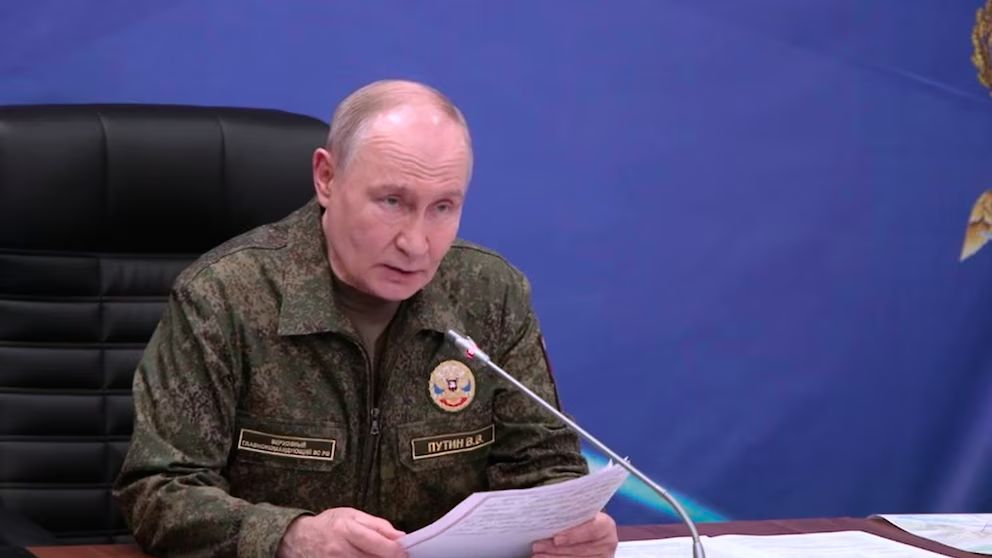
Russia is facing growing fuel shortages as the prolonged war in Ukraine continues to strain the country's energy sector, raising fresh questions about whether mounting domestic economic pressures could eventually influence President Vladimir Putin's military strategy.
Despite being one of the world's largest oil producers, Russia has increasingly struggled with periodic shortages of gasoline and diesel in several regions since the conflict began in 2022. The situation has been exacerbated by Ukrainian drone attacks on oil refineries, Western sanctions, maintenance disruptions, and rising domestic demand, prompting authorities to implement emergency measures to stabilize fuel supplies.
While the Kremlin insists the country's energy sector remains resilient, analysts say the recurring shortages underscore the hidden costs of a conflict that has entered its fifth year and continues to reshape Russia's economy.
Fuel Supply Under Pressure
Over the past two years, Russian authorities have repeatedly introduced temporary restrictions on fuel exports to prioritize domestic supplies.
Several refineries have suffered production interruptions after becoming targets of long-range Ukrainian drone strikes, forcing repairs and reducing refining capacity in key regions.
The attacks have focused on facilities that process crude oil into gasoline, diesel, and aviation fuel, aiming to disrupt logistics supporting Russia's military operations while increasing economic pressure on Moscow.
Although Russia's oil production remains substantial, refining disruptions have complicated the distribution of fuel across the country's vast territory.
Reports from several regions indicate motorists and agricultural businesses have periodically faced higher fuel prices and localized shortages, particularly during peak farming seasons.
Sanctions Continue to Bite
Western sanctions imposed following Russia's invasion of Ukraine have also contributed to operational challenges for the country's energy industry.
Restrictions on technology transfers, equipment imports, financial transactions, and shipping services have made refinery maintenance more difficult while increasing operating costs.
Although Russia has redirected much of its crude oil exports toward Asian markets, particularly China and India, sanctions have altered traditional supply chains and forced companies to rely on alternative transport and financing arrangements.
Economists note that while Russia has successfully adapted to many sanctions through new trading partnerships, doing so has often required significant discounts on oil exports and increased logistical expenses.
The cumulative effect has placed additional pressure on government finances already stretched by elevated military spending.
Economic Costs of Prolonged War
Russia continues to devote substantial resources to sustaining its military campaign in Ukraine.
Defense spending has risen sharply since the conflict began, with increased investment in weapons production, troop recruitment, logistics, and military infrastructure.
At the same time, authorities have sought to shield ordinary Russians from the full economic consequences of the war through subsidies, wage increases in strategic industries, and measures designed to stabilize consumer prices.
However, recurring fuel shortages illustrate the challenges of balancing military priorities with domestic economic needs.
Energy experts say gasoline and diesel remain essential for transportation, agriculture, manufacturing, and public services, making supply disruptions particularly sensitive politically.
Kremlin Maintains Confidence
Despite the growing pressure, the Kremlin has consistently maintained that Russia possesses sufficient resources to sustain both its economy and military operations.
Government officials argue that temporary shortages reflect logistical challenges rather than structural weaknesses within the energy sector.
Authorities have emphasized that emergency export controls, increased refinery repairs, and improved distribution networks are helping restore stability to domestic fuel markets.
The Russian government has also pledged continued investment in refinery modernization aimed at improving resilience against both technical failures and external attacks.
Officials insist that Western sanctions have failed to achieve their strategic objective of crippling Russia's economy.
Can Fuel Shortages Influence Military Policy?
Some international analysts believe economic pressures, including fuel shortages, could eventually influence political decision-making if they begin affecting public support or military logistics.
However, most experts caution against assuming that domestic economic difficulties alone are likely to produce major changes in Kremlin policy.
Throughout the conflict, Russian authorities have demonstrated a willingness to absorb substantial economic costs while maintaining their military objectives.
Political analysts note that decisions regarding war are shaped by a broad range of strategic, military, diplomatic, and domestic considerations rather than any single economic indicator.
While fuel shortages increase pressure on policymakers, there is little evidence that they have fundamentally altered Russia's overall approach to the conflict.
Ukraine's Strategy
For Ukraine, targeting Russian energy infrastructure has become an increasingly important component of its broader military strategy.
Ukrainian officials argue that striking refineries, fuel depots, and logistics hubs reduces Russia's ability to sustain military operations while imposing economic costs beyond the battlefield.
Western governments have generally recognized Ukraine's right to strike military-related infrastructure inside Russia, although some allies have expressed concerns about potential escalation.
Military analysts suggest attacks on fuel production facilities may continue if Russia maintains large-scale military operations.
Each successful strike forces Russian authorities to divert additional resources toward repairs, air defense, and infrastructure protection.
Global Energy Markets Watching Closely
Developments within Russia's energy sector continue to attract close attention from global oil markets.
Although international crude oil prices are influenced by numerous factors, including demand, production decisions by OPEC+, and geopolitical developments, prolonged disruptions in Russian refining capacity can contribute to market uncertainty.
Energy traders continue monitoring refinery operations, export volumes, and government policy announcements for indications of future supply conditions.
Meanwhile, major importers of Russian oil remain focused on ensuring stable deliveries despite evolving sanctions and geopolitical tensions.
Human Impact Inside Russia
For ordinary Russians, fuel shortages primarily affect transportation costs, agricultural production, and the availability of consumer goods.
Higher fuel prices can increase the cost of food distribution, public transportation, and commercial logistics, contributing to broader inflationary pressures.
Farmers are particularly vulnerable during planting and harvest seasons when diesel supplies are essential for agricultural machinery.
Business owners have also expressed concerns that persistent supply disruptions could increase operating costs and reduce profitability in transport-dependent sectors.
Although nationwide shortages have generally been avoided through government intervention, localized disruptions continue to generate public frustration.
Looking Ahead
As the conflict in Ukraine continues with no immediate resolution in sight, Russia's energy sector is likely to remain under sustained pressure from sanctions, infrastructure attacks, and growing military demands.
The Kremlin appears determined to continue its current strategy while managing domestic economic challenges through state intervention and emergency policy measures.
Whether worsening fuel shortages will ultimately influence President Putin's broader approach to the war remains uncertain.
Most analysts believe that while economic strain increases the long-term costs of the conflict, military and political considerations continue to dominate decision-making in Moscow.
For now, Russia's recurring fuel shortages serve as another reminder that even one of the world's largest energy producers is not immune to the far-reaching economic consequences of a prolonged war.
As both Russia and Ukraine continue adapting their strategies, the resilience of critical infrastructure and the ability of governments to manage economic pressures, will remain central factors shaping the trajectory of the conflict in the months ahead.