Russia-Ukraine Orthodox Easter Ceasefire: Temporary Truce or Turning Point for Peace?
Russia and Ukraine agree to a short Orthodox Easter ceasefire. Can this fragile truce lead to lasting peace, or is it another symbolic pause in a prolonged war?
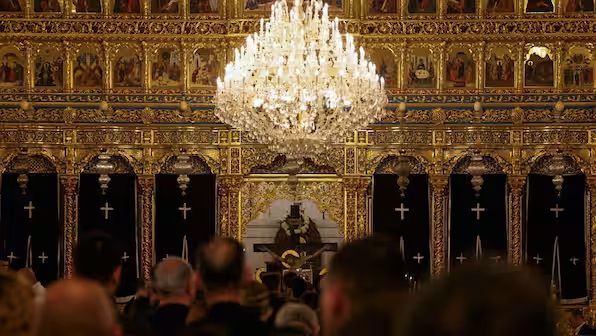
The announcement of a temporary ceasefire between Russia and Ukraine to mark Orthodox Easter has once again raised cautious optimism in a war that has dragged on for over four years. Declared by Russian President Vladimir Putin and acknowledged by Ukrainian President Volodymyr Zelenskyy, the truce - lasting roughly 32 hours - offers a brief pause in hostilities during one of the most sacred periods in the Orthodox Christian calendar. (News.az)
But beyond the symbolism of the moment lies a deeper question: does this ceasefire signal a genuine step toward peace, or is it merely a tactical pause in a brutal and entrenched conflict?
A Rare Pause in a Relentless War
According to official statements from the Kremlin, the ceasefire begins at 4:00 p.m. on April 11 and runs through the end of April 12, 2026, coinciding with Orthodox Easter celebrations observed in both countries. Russian forces were ordered to halt combat operations across all fronts, with the expectation that Ukraine would reciprocate. (Vanguard News)
Kyiv had earlier proposed a similar truce, signaling that both sides, at least publicly, recognize the cultural and religious importance of the holiday.
This marks one of the few moments of alignment between the two adversaries in recent months. However, history tempers expectations. A similar Easter ceasefire in the past was marred by mutual accusations of violations, underscoring the fragility of such agreements.
Symbolism vs Strategic Reality
On the surface, the ceasefire appears humanitarian - a gesture of respect for faith and an opportunity for civilians to experience a moment of calm. It may also allow for limited humanitarian operations, such as the evacuation of civilians or the exchange of prisoners.
Yet beneath the symbolism lies strategic calculation. Analysts suggest that short-term ceasefires can serve military purposes: allowing both sides to regroup, resupply, or reposition forces without sustained pressure.
Moreover, the Kremlin has emphasized that troops remain on alert for “provocations,” indicating a deep mistrust that continues to define the conflict. (Reuters)
Ukraine, on its part, has consistently pushed for longer ceasefires - sometimes proposing 30-day pauses - to create space for meaningful negotiations. These proposals have largely been rejected by Moscow, which prefers shorter, controlled truces.
The Shadow of Failed Peace Talks
The Easter ceasefire comes at a time when diplomatic efforts have largely stalled. Earlier negotiations involving the United States, Russia, and Ukraine failed to produce a breakthrough, with disagreements over territory, security guarantees, and political concessions remaining unresolved. (Wikipedia)
Complicating matters further is the shifting global focus. The recent Middle East crisis has diverted international attention and diplomatic energy away from Ukraine, weakening momentum for sustained peace talks.
This broader geopolitical distraction may explain why both sides are willing to embrace symbolic gestures like the Easter truce - small signals of goodwill that require minimal concessions but maintain diplomatic visibility.
Human Cost and War Fatigue
The ceasefire also highlights the immense human toll of the war. With tens of thousands of casualties and widespread displacement, both nations are under growing pressure - domestically and internationally - to find a pathway out of the conflict.
Even limited pauses can provide psychological relief for civilians living under constant threat. For soldiers on the frontlines, it offers a rare break from relentless combat.
However, the persistence of violence leading up to the ceasefire - including drone strikes and missile attacks - serves as a grim reminder that the war is far from over. (New York Post)
A Test of Trust
Perhaps the most significant implication of the Easter ceasefire is its role as a test of trust. In conflicts as deeply entrenched as this one, trust is both scarce and essential. If both sides adhere to the truce without major violations, it could build confidence for future agreements, potentially paving the way for longer ceasefires or even renewed negotiations.
Conversely, any breach - whether real or perceived - could reinforce existing distrust and make future diplomatic efforts even more difficult.
What This Means for Future Peace
While it would be overly optimistic to interpret a 32-hour ceasefire as a breakthrough, it does carry symbolic weight. It shows that even in the midst of a protracted and bitter war, there remains some capacity - however limited - for coordination and restraint.
For lasting peace to emerge, however, several conditions must be met, like the willingness from both sides to engage in sustained negotiations, a stronger and more consistent international mediation, and clear frameworks addressing territorial disputes and security guarantees
Without these, temporary ceasefires risk becoming little more than recurring pauses in an otherwise continuous conflict.
Conclusion
The Russia-Ukraine Orthodox Easter ceasefire is both hopeful and sobering. It offers a glimpse of what peace might look like, even if only for a brief moment. Yet it also underscores how far both sides remain from a comprehensive resolution.
In the end, the truce is less a solution and more a signal - a reminder that peace is still possible, but only if symbolic gestures evolve into sustained political will.