“Russia Is Preparing for Long-Term Confrontation,” Warns NATO’s Rutte as Tensions Escalate
NATO Secretary-General Mark Rutte warns that Russia is preparing for “long-term confrontation” with the West, citing airspace violations, sabotage, and cooperation with China, Iran and North Korea. The remarks intensify calls for increased defence spending and continued support for Ukraine.
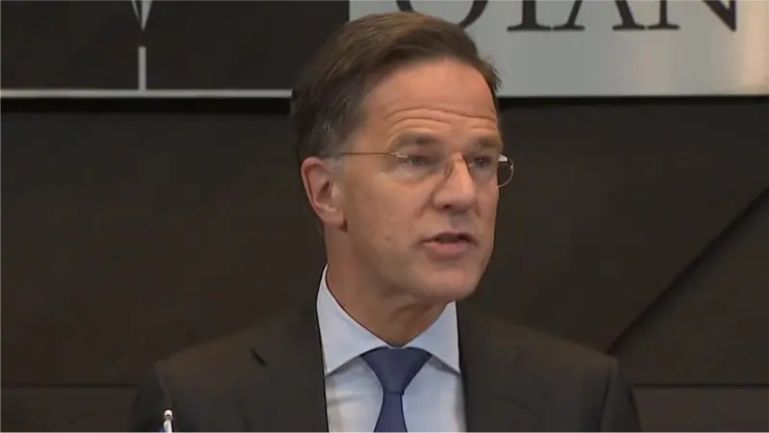
In a stark warning to the West, NATO Secretary-General Mark Rutte said on Thursday that the alliance must brace for a prolonged standoff with the Russian Federation, asserting that Moscow is actively preparing for a long-term confrontation. The comments, made during a round-table session of NATO leaders and officials, underscored growing concern over Russia’s recent provocations. (NATO)
Rutte said Russia “continues to test our deterrence,” with repeated airspace incursions involving jets and drones, outbreaks of sabotage, and spy ship deployments in European waters. He described these actions as “reckless and dangerous,” warning that the Kremlin - in partnership with China, Iran and North Korea - is seeking to “disrupt our societies and tear up the global rules.”
“These threats are not isolated - they reflect a coordinated campaign to destabilise our democracies and international norms,” Rutte said, adding that the alliance must insist on steady defence investment from all member states. (Defense News)
Hybrid threats: from drones and sabotage to maritime spies
NATO’s security concerns are not limited to traditional military aggression, Rutte argued - Moscow is now waging hybrid warfare across multiple fronts. According to him, a wave of recent incidents - from cyber-attacks to undersea cable sabotage - signal a broader effort to undermine European stability. (euronews)
In the Baltic region, for example, NATO has reported drone incursions, radar-jamming, and covert spy-vessel activity mapping critical undersea infrastructure. These incidents, Rutte said, demonstrate the Kremlin’s readiness to use asymmetric tactics rather than overt military force.
He told allies bluntly: “We cannot pretend these are isolated disruptions - this is a long-term campaign.” NATO must therefore respond not only with increased spending, but also new technologies and a strategic posture capable of deterring both conventional and hybrid threats.
Defence buildup: NATO urged to “quantum-leap” military readiness
To counter what he described as “real and lasting dangers,” Rutte urged NATO members to dramatically boost their defence budgets and modernize capabilities. He floated a goal of air- and missile-defence capacity growing by up to 400%, alongside significant stockpiling of armour and munitions.
In speeches across Europe, Rutte has called for member states to treat the alliance as if in a wartime posture - a shift not just in mindset, but in procurement, readiness, and collaborative defence planning. “We must be prepared,” he reiterated, saying that complacency could leave Europe vulnerable if Russia chooses to escalate its confrontational posture.
According to Rutte, the war in Ukraine raging for years now remains “the most obvious example of the threat.” Yet even if a ceasefire or peace agreement emerges, he warned, Moscow is unlikely to demobilize, and Europe should not count on it. (The Guardian)
Ukraine’s winter and broader stakes: Why allies must act now
As winter approaches in Ukraine, Rutte stressed that continued support for Kyiv is more crucial than ever. He argued that aiding Ukraine is not just about ending the war - it’s about preventing the Kremlin from leveraging further aggression against NATO territory.
The alliance’s position, he insisted, should remain firm: “We are not ready for what is coming our way in four to five years,” he said in recent remarks - underlining that danger remains fast approaching. (Los Angeles Times)
Failure to act, he warned, could leave Europe vulnerable to Russian provocations - from drone swarms to covert sabotage - that fall below conventional war thresholds but carry severe consequences.
Reactions and implications - division, urgency, and the burden on allies
Observers say Rutte’s warning reflects a significant shift in NATO’s threat analysis. What was once framed as a war contained in Ukraine is increasingly viewed as a broader strategic contest, with potential spill-over into Europe. Analysts note that Russia’s expanding military-industrial cooperation with China, Iran and North Korea adds a dangerous multiplier effect to its hybrid warfare capabilities.
Some NATO members, especially smaller states, may balk at the steep increases in defence spending and rapid defence buildup, but Rutte says it is necessary for collective security. The coming summit, he suggested, could see agreement on increasing defence budgets and capability commitments for the next decade.
Meanwhile, Ukraine’s supporters view the warnings as a clarion call: continued arms and financial aid to Kyiv, along with strengthening NATO’s eastern flank, remain urgent. “If we don’t invest now, we risk paying far more later,” Rutte said.
Conclusion: NATO at a crossroads - deterrence, defence, and the long game
As Europe watches war-torn Ukraine struggle through another winter, the warning from NATO’s top civilian leader underscores a sobering reality: the Russia conflict is no longer confined to Ukraine. According to Rutte, it is morphing into a long-term confrontation - hybrid, unpredictable, and potentially expanding.
Whether NATO responds with unity, increased funding, and readiness will define whether the alliance can successfully deter further aggression or risk being drawn into a renewed cycle of conflict. For now, Rutte’s message is clear: prepare for the long haul.