Russia Frees US Citizen Stephen Hubbard After More Than Four Years in Detention
Russia has released American pensioner Stephen Hubbard after more than four years in detention over alleged mercenary activity in Ukraine, following talks between Vladimir Putin and US envoy Steve Witkoff.
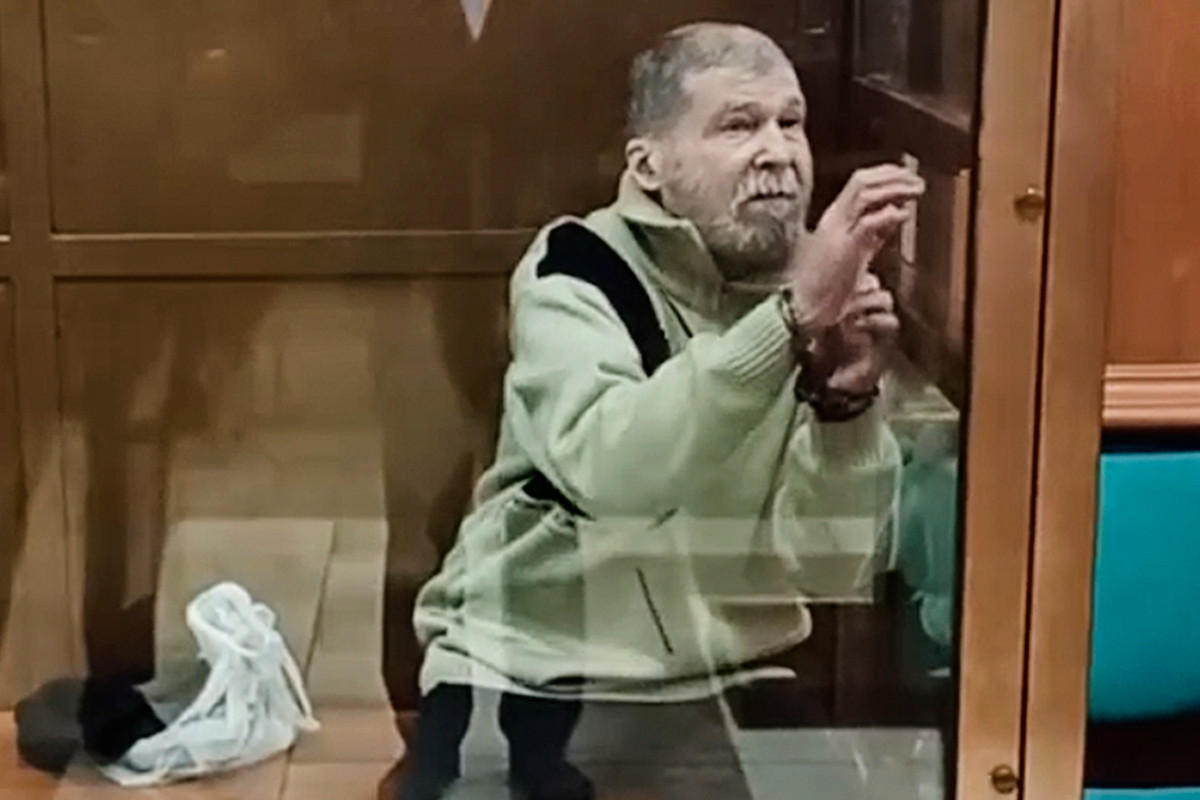
Russia has released American citizen Stephen Hubbard, a 74-year-old retired schoolteacher who had spent more than four years in Russian custody after being accused of fighting as a mercenary for Ukraine.
Russian President Vladimir Putin announced Hubbard’s release on Wednesday, October 21, 2026, during a meeting with US special envoy Steve Witkoff in St Petersburg. The release coincided with renewed American diplomatic efforts to restart negotiations aimed at ending Russia’s war against Ukraine.
The development marks a significant moment in US-Russia relations, particularly as Washington seeks progress on both the release of detained Americans and a possible settlement to the conflict in Ukraine.
Hubbard was freed as Witkoff met Putin for discussions that also covered the possible resumption of trilateral peace negotiations involving Russia, Ukraine and the United States. (Reuters)
The release was described as a goodwill gesture by Russian officials and came after US President Donald Trump said he had personally asked Putin to free Hubbard during a telephone conversation the previous week. Trump welcomed the development, saying the American was on his way home.
Who is Stephen Hubbard?
Hubbard grew up in Big Rapids, Michigan, and worked as an English teacher for many years. He also served in the US Air Force and the National Guard, according to military records cited in media reports.
He later spent approximately 25 years living and teaching in Japan before moving to Cyprus and eventually settling in Izyum, a city in eastern Ukraine, in 2014. He lived there with a Ukrainian partner and reportedly depended largely on a modest pension.
His life changed dramatically following Russia’s full-scale invasion of Ukraine in February 2022.
Russian forces captured Izyum in the early months of the invasion, and Hubbard was taken into custody in April 2022, according to Russian accounts. His detention would ultimately lead to a lengthy prison sentence and a diplomatic campaign for his release.
Hubbard’s case attracted international attention because of his age, the circumstances surrounding his detention and conflicting accounts of his alleged involvement in the war.
For his family, the uncertainty over his whereabouts and welfare added to the distress of an already difficult situation.
Why was Hubbard imprisoned in Russia?
Russian prosecutors accused Hubbard of fighting for a Ukrainian territorial defence unit and receiving military training, weapons and ammunition. They alleged that he had agreed to serve in exchange for monthly payments.
In October 2024, a Moscow court convicted him of mercenary activity following a closed trial and sentenced him to six years and 10 months in prison.
Russian state media reported that Hubbard pleaded guilty to the charges. However, his US-based lawyer, Martin De Luca, subsequently said Hubbard had maintained that the allegations were false and that he had not served in a combat or military unit.
Hubbard’s sister, Patricia Hubbard Fox, also questioned the allegations, saying she found it difficult to believe that her brother had taken up arms given his age and previously expressed political views.
The competing accounts meant that important questions about his alleged activities remained disputed outside Russia’s judicial proceedings.
The US government designated Hubbard as wrongfully detained in January 2025, allowing Washington to pursue his release through diplomatic channels.
US officials had also raised concerns about the lack of consular access to him during his imprisonment.
His release now brings an end to a detention that lasted more than four years, although the full details of the arrangement with Moscow have not been publicly disclosed.
Trump says he personally requested Hubbard’s release
Trump said he had asked Putin to release Hubbard during a telephone conversation the previous week.
The US president welcomed the Russian decision and indicated that Hubbard was returning home without Washington having to release another detainee in exchange.
According to the Associated Press, the release did not involve a prisoner swap, making it different from several previous US-Russia detainee arrangements.
Witkoff also praised the decision during his meeting with Putin, presenting the release as a humanitarian gesture that could help improve relations between the two countries.
However, the timing of the announcement is politically significant. It comes as Trump’s administration intensifies efforts to persuade Moscow and Kyiv to resume negotiations aimed at ending the war.
The release demonstrates that direct engagement between Washington and Moscow can produce results on individual detention cases. Whether that cooperation can translate into broader diplomatic progress remains uncertain. ( Associated Press )
Release coincides with renewed Ukraine peace efforts
Witkoff’s visit to Russia was not limited to Hubbard’s release. The US envoy also pressed Putin to consider restarting trilateral peace negotiations involving Washington, Moscow and Kyiv.
The discussions followed Witkoff’s meetings with Ukrainian President Volodymyr Zelensky and European representatives in Oslo, Norway.
Washington is seeking a framework that could end the fighting, establish security arrangements for Ukraine and create conditions for post-war reconstruction.
However, major obstacles remain. Russia continues to demand territorial concessions and oppose Ukraine’s prospective NATO membership, while Kyiv insists that any agreement must safeguard its sovereignty and provide credible security guarantees.
The release of Hubbard could contribute to a more constructive atmosphere, but it does not indicate that the two sides have reached agreement on the central issues driving the war.
For Washington, the challenge is to turn limited diplomatic successes into meaningful progress towards a durable settlement.
Concerns remain over other Americans detained in Russia
Although Hubbard’s release is welcome news for his family, it does not resolve the wider issue of Americans detained in Russia.
The Associated Press reported that several other Americans remained imprisoned in Russia at the time of his release, including individuals whose families and supporters have raised concerns about their welfare.
Advocacy groups have welcomed Hubbard’s freedom while urging the US government to continue diplomatic efforts on behalf of other detainees.
The cases illustrate the complexity of US-Russia relations, where individual prisoner releases can become intertwined with wider disagreements over security, international conflicts and economic cooperation.
For families waiting for loved ones to return, each successful release offers hope that further progress remains possible.
Conclusion
Russia’s release of Stephen Hubbard after more than four years in detention marks a significant personal victory for the retired American teacher and his family.
The decision follows Trump’s reported direct appeal to Putin and coincides with renewed diplomatic efforts to end the war in Ukraine.
While Hubbard’s freedom demonstrates the potential value of negotiations, it remains unclear whether the goodwill surrounding his release will lead to a broader improvement in relations between Washington and Moscow.
For now, his release closes a painful chapter in a case that raised questions about detention, due process and the treatment of foreign nationals during wartime.
The wider diplomatic challenge remains whether the same engagement can help secure the freedom of other detainees and produce meaningful progress towards peace in Ukraine.