RJ Mitte Dies at 34: ‘Breaking Bad’ Star and Disability Rights Advocate Mourned
RJ Mitte, the actor who played Walter White Jr. in Breaking Bad, has died at 34. His death has sparked tributes to his acting career and disability rights advocacy.
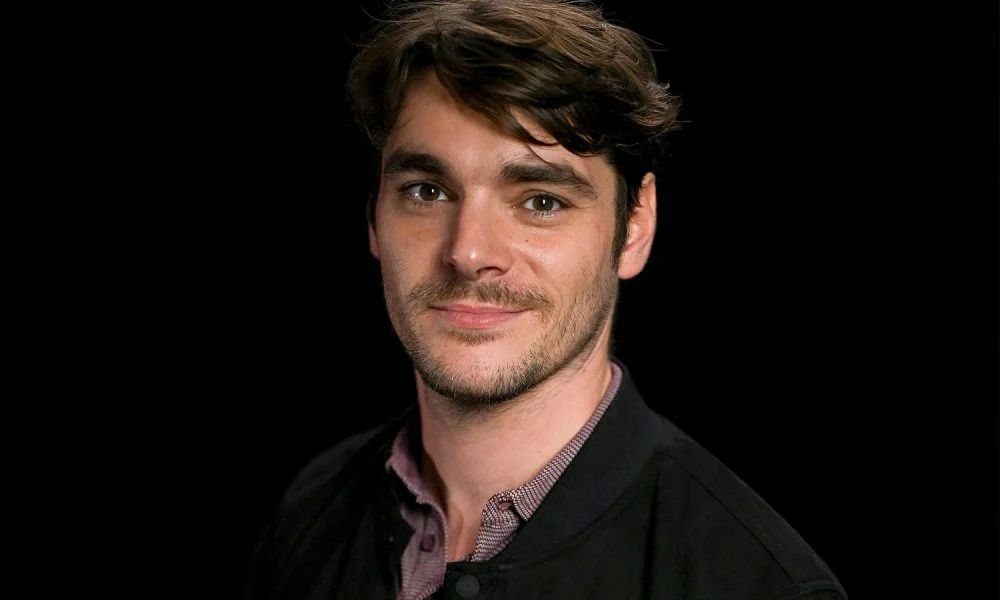
American actor RJ Mitte, best known for portraying Walter White Jr. in the acclaimed television drama Breaking Bad, has died at the age of 34, prompting an outpouring of grief from colleagues, fans and disability rights advocates.
Mitte died on Monday, October 12, 2026, in Brownsville, Texas, according to reports from Reuters and The Associated Press. His representatives confirmed his death in a statement describing him as a beloved actor, philanthropist and passionate disability rights advocate.
The news has drawn particular attention because Mitte used his personal experience with cerebral palsy to challenge stereotypes about disability and encourage greater representation of disabled performers in the entertainment industry.
His death also prompted an emotional tribute from Bryan Cranston, who played his on-screen father in Breaking Bad. Cranston expressed profound sadness over the loss, recalling their relationship during and after the series.
According to Variety, Mitte's representative subsequently confirmed that the actor died by suicide. No further details about the circumstances were provided in the initial reports.
The Role That Made RJ Mitte Famous
Mitte rose to international recognition through his portrayal of Walter White Jr., also known as Flynn, in Breaking Bad, the critically acclaimed crime drama created by Vince Gilligan.
The series, which aired on AMC from 2008 to 2013, followed Walter White, a high-school chemistry teacher played by Cranston, who turns to manufacturing illegal drugs after receiving a terminal cancer diagnosis.
Mitte appeared throughout the show's five-season run as Walter White's son, a teenager navigating family tensions as his father's criminal activities increasingly threatened their lives.
His performance helped establish Walter Jr. as an important part of the show's emotional story. While the central plot explored crime, ambition and moral decline, the character's experiences highlighted the consequences of Walter White's decisions for his family.
One distinctive aspect of the role was its connection to Mitte's real-life experience. Like his character, the actor had cerebral palsy, a neurological condition that can affect movement, balance and muscle coordination.
This personal connection enabled Mitte to bring lived experience to the character, helping audiences encounter disability as part of an individual's life rather than as the defining feature of their identity.
An Associated Press report published by The Washington Post recalled how Mitte spoke about turning the challenges associated with his disability into an asset in his acting career.
Living With Cerebral Palsy and Challenging Stereotypes
Born in Jackson, Mississippi, Mitte was diagnosed with cerebral palsy when he was three years old. During his childhood, he used leg braces and crutches, while physical activity and exercise helped him develop greater mobility.
He moved to Los Angeles in 2006 to pursue acting and began securing small television roles before landing the part that would transform his career.
Rather than allowing public perceptions of disability to restrict his ambitions, Mitte became increasingly vocal about the need for inclusive casting and opportunities for disabled performers.
His advocacy extended beyond his work on television. He served as an ambassador for United Cerebral Palsy and Shriners Children's organisations associated with supporting people with disabilities and improving children's healthcare.
He also served as president of The Mitte Foundation, which supported philanthropic efforts and community initiatives connected to disability awareness and inclusion.
In interviews, Mitte emphasised the importance of allowing disabled actors to develop their craft and compete for meaningful roles rather than being confined to stereotypical portrayals.
His work contributed to broader conversations about accessibility, representation and the responsibilities of the entertainment industry toward people whose experiences have historically been underrepresented on screen.
Bryan Cranston and Co-Stars Pay Tribute
Cranston's tribute reflected the personal bond that developed between the actors during the production of Breaking Bad.
In a statement shared on social media, Cranston described himself as devastated by Mitte's death and recalled communicating with the actor only weeks earlier as they discussed plans to meet for lunch.
Cranston also praised Mitte's determination, recalling how he approached the demanding production schedule without allowing the challenges associated with cerebral palsy to prevent him from doing his work.
Other members of the Breaking Bad cast also expressed grief.
The Hollywood Reporter reported that former castmates, including Aaron Paul and Dean Norris, joined the tributes following the announcement.
Their reactions reflected the loss felt by colleagues who had worked with Mitte during the series and remained connected to its enduring cultural legacy.
Career Beyond ‘Breaking Bad’
Although Breaking Bad remained Mitte's most recognisable credit, he continued working across film and television after the series ended.
His television appearances included Switched at Birth and The Guardians of Justice. His film credits included The Recall, The Oak Room, Standing Up for Sunny and Triumph.
In Standing Up for Sunny, a romantic comedy released in 2019, he played a stand-up comedian with cerebral palsy. In the 2021 film Triumph, he portrayed a high-school wrestler with cerebral palsy who pursues his ambitions despite physical challenges.
These roles reflected his continuing interest in stories featuring disabled characters whose lives extended beyond their conditions.
Mitte was also involved in independent film production and used public appearances to discuss the need for greater opportunities for disabled people in entertainment.
In the weeks before his death, he had been promoting a new film, Talking to Strangers, and discussing his experiences in interviews and podcast appearances, according to entertainment industry reports.
A Legacy of Representation and Inclusion
RJ Mitte's death at 34 represents a significant loss to the entertainment industry and disability advocacy community.
His contribution extended beyond a memorable television character. By bringing his lived experience into his performances and speaking publicly about inclusion, he helped challenge assumptions about what disabled actors could accomplish.
His career also demonstrated the importance of creating opportunities for performers to tell nuanced stories about disability, family, ambition and personal identity.
As tributes continue from colleagues and admirers, Mitte will be remembered for his work on Breaking Bad, his determination as an actor and his efforts to improve visibility for people with disabilities.
His legacy leaves an important reminder for the entertainment industry: representation matters, and meaningful inclusion requires opportunities for disabled performers to participate fully in telling the stories audiences see on screen.