Rising Insecurity and the Erosion of Public Trust as Gunmen Kill Soldiers in Plateau State
Gunmen have killed Nigerian soldiers in Plateau State, highlighting the growing insecurity in the region. This report examines the attack, its background, and the implications for public confidence in Nigeria’s security architecture.
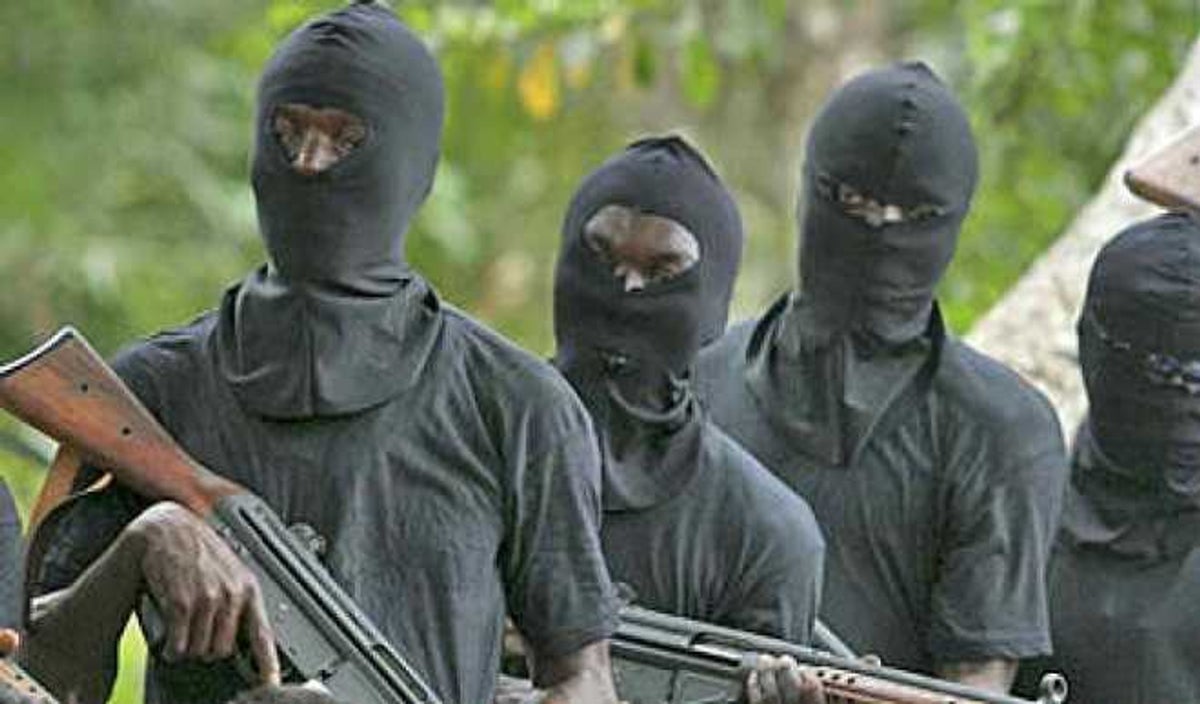
The killing of Nigerian soldiers by gunmen in Plateau State has once again brought national attention to the persistent insecurity affecting parts of the country. The attack, which reportedly targeted security personnel and civilians in rural communities, has intensified concerns about the effectiveness of Nigeria’s security system and the growing erosion of public confidence in the ability of authorities to protect lives and property.
The incident is part of a broader wave of violence that has plagued Plateau State and several other regions of Nigeria in recent years, involving armed bandits, ethnic militias, and terrorist groups.
The Attack in Plateau
According to local reports, gunmen attacked communities in Wase Local Government Area of Plateau State, targeting both civilians and security personnel stationed in the area. During the coordinated assault, at least one soldier and several villagers were killed after the attackers reportedly overran a military checkpoint before moving into nearby settlements. Eyewitnesses said the attackers first confronted soldiers stationed at a security post in Sabon Gari, engaging them in a fierce gun battle. The gunmen later advanced into surrounding communities, looting shops and homes before fleeing the area. (Businessday NG)
Residents described the attack as sudden and overwhelming, noting that the armed assailants appeared well coordinated and heavily armed. Several soldiers were also reported missing after the confrontation. (Thisdaylive)
The incident forced many residents to flee their homes in fear of further attacks, leaving parts of the affected communities temporarily deserted.
Plateau State’s Long History of Violence
The latest attack reflects the long-standing security challenges facing Plateau State, a region often described as a fault line of ethnic and religious tensions in Nigeria.
For decades, the state has experienced periodic violence linked to disputes over land, resources, and identity between farming communities and pastoralist groups. These tensions have often escalated into deadly clashes involving armed militias and bandits.
In recent years, the frequency and sophistication of attacks have increased. Armed groups have launched coordinated raids on villages, markets, and security checkpoints, sometimes resulting in mass casualties.
In April 2025, gunmen killed more than 50 people in several villages in Plateau State, forcing thousands to flee their homes in one of the deadliest outbreaks of violence in the region. (Reuters)
Similarly, earlier waves of attacks in the state have claimed hundreds of lives, including the 2023 Christmas Eve massacres, where about 200 people were killed in coordinated assaults on rural communities. (Wikipedia)
These recurring attacks have deepened fears among residents that the security situation in the region is deteriorating rather than improving.
Rising Violence Against Security Personnel
The killing of soldiers in Plateau is part of a wider trend in which Nigerian security forces themselves have increasingly become targets of attacks.
In recent months, several military personnel and police officers have been killed during ambushes, raids on military checkpoints, or clashes with armed groups across the country.
Recent reports indicate that Nigeria lost at least 14 soldiers and 10 police officers within a period of 41 days due to escalating violence and security incidents across different regions. (Vanguard News)
These incidents highlight the evolving nature of Nigeria’s security crisis, where armed groups are becoming more capable of confronting and sometimes overpowering security forces.
Implications for Citizen Confidence
One of the most serious consequences of the Plateau killings is the growing erosion of public trust in Nigeria’s security architecture.
1. Perception of Security Failure
For many citizens, the killing of soldiers who are expected to protect communities raises troubling questions about the effectiveness of the country’s security agency
If armed groups can successfully attack military checkpoints or engage soldiers in battle, many residents fear that civilians are even more vulnerable.
Security analysts warn that such incidents can create the perception that the state is losing control of certain areas, especially rural communities.
2. Increased Fear and Community Displacement
The attack in Plateau forced many residents to abandon their homes and seek refuge in neighboring communities. Such displacement is becoming increasingly common in areas affected by banditry and communal violence.
When communities repeatedly experience attacks despite the presence of security forces, citizens may begin to rely on local vigilante groups or self-defense militias for protection.
While these groups sometimes help communities resist attacks, they can also contribute to cycles of revenge violence.
3. Declining Trust in Government
Repeated security failures can weaken citizens’ trust in government institutions.
Human rights groups have previously criticized Nigerian authorities for failing to effectively address violence in rural communities and bring perpetrators to justice. (Amnesty International)
When attacks occur without arrests or prosecutions, communities may feel abandoned by the state, further eroding public confidence.
Government and Military Response
In response to the rising violence, Nigerian security forces have increased military operations in Plateau and neighboring states.
The military’s Operation Safe Haven, a joint task force deployed in the region, has conducted several counter-terrorism and anti-banditry operations aimed at neutralizing armed groups and preventing further attacks.
Officials have also called for stronger collaboration between local communities and security agencies to improve intelligence gathering and early warning systems.
However, many analysts argue that military responses alone may not solve the crisis. Addressing the root causes of violence, such as land disputes, poverty, political tensions, and the proliferation of small arms, remains crucial.
The Broader Security Challenge in Nigeria
Nigeria faces multiple overlapping security threats, including Boko Haram and ISWAP insurgency in the northeast, Banditry and kidnapping in the northwest, Farmer and herder conflicts in the Middle Belt, and separatist violence in parts of the southeast.
Experts say these conflicts are interconnected and require a comprehensive national security strategy.
Without structural reforms, improved intelligence coordination, and community-based conflict resolution, attacks such as those in Plateau may continue.
Conclusion
The killing of soldiers by gunmen in Plateau State underscores the seriousness of Nigeria’s ongoing security crisis. Beyond the immediate loss of lives, the incident carries broader implications for public confidence in the nation’s security system.
For many Nigerians, the attack reinforces fears that the state is struggling to protect its citizens and even its own security personnel.
Restoring public trust will require more than military deployments. It will demand effective governance, justice for victims, and long-term strategies to address the root causes of violence that have plagued Plateau State and other parts of Nigeria for years.