Rising Fuel Prices in Nigeria: NNPC Options to Cushion Impact on Consumers
Nigeria faces rising fuel prices above ₦1,000 per liter. Explore why prices are surging and the strategic options available to the Nigerian National Petroleum Company Limited (NNPCL) to help ease the burden on consumers.
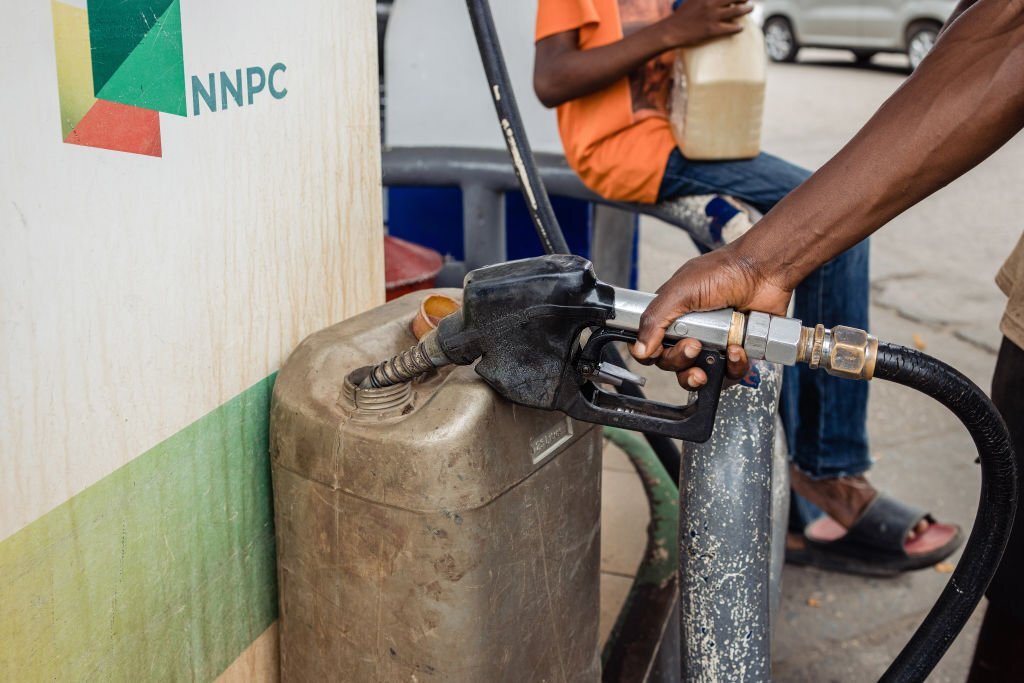
Fuel prices in Nigeria have surged sharply in recent weeks, pushing petrol prices above ₦1,000 per liter at many filling stations and stoking concerns about inflation and economic hardship for households and businesses. Retail costs have climbed as global crude oil prices rise amid geopolitical tensions and as domestic supply challenges persist. (turn0search30)
The Nigerian National Petroleum Company Limited (NNPCL)-the state‑owned energy firm entrusted with safeguarding Nigeria’s energy supply-is at the center of efforts to manage the crisis and identify ways to cushion consumers from the worst effects of rising fuel prices.
Why Fuel Prices Are Rising
Several factors are driving fuel price inflation in Nigeria:
1. Global Market Volatility: Crude prices have surged beyond $90 per barrel, driven largely by ongoing instability in the Middle East and disruptions to global energy markets, pushing up replacement costs for refined products.
2. Market‑Driven Pricing: Under Nigeria’s deregulated downstream petroleum sector, petrol prices are determined by market forces rather than government subsidy controls, meaning prices respond quickly to global cost pressures.
3. Domestic Supply Constraints: The Dangote Petroleum Refinery and other facilities have at times suspended petrol loading, contributing to supply uncertainty and hinting at further price hikes.
4. Insufficient Crude Supply: There are shortfalls in the volume of crude oil supplied to local refineries, limiting refining output and forcing greater reliance on imported crude.
As a result, petrol gantry prices have been rapidly adjusted upward, with ex‑depot costs climbing from around ₦774 per liter to nearly ₦1,175 in recent weeks. These moves are expected to translate quickly into higher pump prices nationwide.
NNPC’s Current Interventions
Facing this complex environment, NNPCL has taken several immediate actions - though most are aimed at ensuring supply continuity rather than instantly lowering prices:
1. Supplying Crude to Domestic Refiners
NNPCL is exploring arrangements to supply crude oil to the Dangote Petroleum Refinery through third‑party international traders to help sustain refinery throughput. This effort aims to mitigate supply disruptions and ensure continued availability of refined products for the Nigerian market. However, industry sources say this move may not immediately reduce pump prices because domestic fuel pricing remains tied to global crude cost dynamics.
Increasing foreign crude supply helps maintain refinery operations and reduce the risk of outright fuel scarcity, which could otherwise push prices even higher.
Strategic Options Available to NNPC and Government
Beyond short‑term responses, multiple strategic options could help cushion consumers and stabilize prices over the medium to long term:
1. Accelerating Domestic Refinery Operations
Activating and maximizing output from all domestic refineries (including government‑owned facilities like Port Harcourt and Warri), in addition to private capacity, would reduce Nigeria’s dependence on imported products. Industry associations have urged NNPCL and government to prioritize this strategy to lessen exposure to global price volatility.
Restoring full capacity across domestic refineries would help lower import bills, limit foreign exchange outflows, and potentially moderate local pump prices over time.
2. Diversifying Supply Through Alternative Fuels
NNPCL could expand investment and distribution of alternative fuel sources, such as Compressed Natural Gas (CNG), which Nigeria has abundant reserves of, to alleviate pressure on petrol demand. Previously, expansion of CNG projects has been promoted to help cushion the impact of subsidy removal and fuel cost increases.
Greater CNG penetration - especially in transportation and industrial sectors - would reduce petrol consumption and help manage demand during periods of elevated pump prices.
3. Enhanced Crude‑for‑Naira Agreements
Under the naira‑for‑crude policy, NNPCL supplies crude to refineries in exchange for payments in local currency. Fully implementing and expanding this arrangement could improve refinery feedstock availability without placing additional strain on forex reserves. Industry sources argue that increasing cargo supply to meet refinery needs would help stabilize fuel supplies and, eventually, prices.
Ensuring consistent crude delivery is crucial for refinery planning and reducing reliance on costly imported cargoes.
4. Strengthening Downstream Competition
Encouraging competition in the downstream sector through broader license approvals for independent fuel importers and distribution partners can diversify supply sources and dampen price spikes. Growing the number of authorized marketers beyond the current pool can reduce bottlenecks and encourage more efficient distribution. Competition can help prevent prices gouging and improve service delivery in the petroleum retail market.
5. Fuel Price Risk‑Management Mechanisms
NNPCL could explore risk‑management tools such as hedging against oil price volatility and futures contracts to stabilize procurement costs. These financial instruments allow companies to lock in prices ahead of market moves, reducing the direct impact of sudden crude price surges on domestic pricing. Such strategies are widely used in global oil markets to manage cost exposure.
Challenges and Limitations
Despite these options, NNPCL faces significant hurdles:
- Global Price Dependency: Even with strong domestic refining, petrol prices remain linked to international crude markets, as local refineries often still rely on imported crude feedstock. Analysts note that domestic refining alone may not significantly lower prices if global crude prices remain elevated.
- Infrastructure and Investment Gaps: Revitalizing government‑owned refineries requires significant capital, technical expertise, and stable operational management-areas where Nigeria has faced long‑term challenges.
- Market Dynamics Under Deregulation: With fuel prices determined by market forces under the deregulatory framework, NNPCL and regulators have limited direct control over retail pricing, making policy interventions more complex.
Conclusion
Nigeria’s rising fuel prices reflect both global energy market pressures and domestic supply challenges. While NNPCL’s current interventions aim to maintain fuel supply, significant price relief for consumers will require a combination of strategies, including boosting domestic refining output, diversifying fuel sources, strengthening competition in the downstream sector, and improving crude supply frameworks.
These options, if effectively implemented alongside broader energy sector reforms, could help cushion Nigerians from the impact of future global price shocks and build a more resilient domestic fuel market. However, expectations for immediate price decreases should be tempered as global market dynamics continue to influence domestic pricing under Nigeria’s deregulated petroleum regime.