Rev. Jesse Jackson: Life, Legacy & Impact of a Civil Rights Icon Who Changed America
A comprehensive look at the life and legacy of Rev. Jesse Jackson - civil rights leader, presidential trailblazer, Rainbow/PUSH founder and bridge between King and modern activism. Includes key accomplishments, historic campaigns.
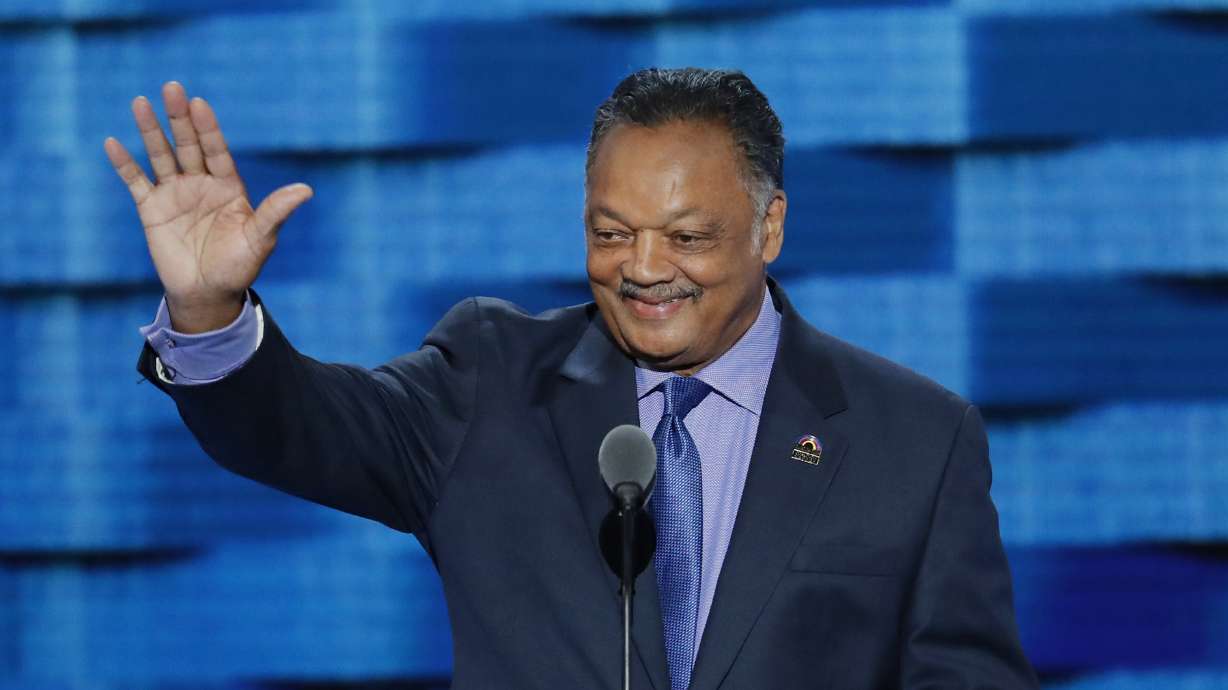
Rev. Jesse Louis Jackson Sr., one of the most influential civil rights leaders of the 20th and early 21st centuries, has passed away at age 84, leaving behind a legacy that reshaped American politics, expanded social justice movements and inspired generations of activists around the world. His life story - from the segregated South to the national stage - is a testament to courage, perseverance and transformative advocacy. (Wikipedia)
Born Jesse Louis Burns on October 8, 1941, in Greenville, South Carolina, Jackson grew up in the Jim Crow South, where segregation and systemic racism were daily realities. Early experiences with racial injustice fueled his determination to fight for equality, a mission that would define his life’s work.
Early Life and Rise to Prominence
Jackson’s journey into activism began during his college years when he became involved in civil rights demonstrations and voter registration drives. He joined the Southern Christian Leadership Conference (SCLC) - the organization led by Dr. Martin Luther King Jr. - where he quickly emerged as a passionate and effective organizer. (Encyclopedia Britannica)
In 1968, he was present in Memphis the night King was assassinated, an event that profoundly impacted him and the movement. After King’s death, Jackson continued the work, becoming one of the leaders who helped ensure that the struggle for civil rights endured beyond that tragic moment. (The Guardian)
Operation PUSH and the Rainbow/PUSH Coalition
In 1971, Jackson broke from the SCLC to found Operation PUSH (People United to Save Humanity), later renamed People United to Serve Humanity, to improve economic conditions for Black Americans and challenge discriminatory corporate practices. PUSH’s campaigns often employed selective boycotts and negotiations that compelled major companies to hire more African Americans and support Black-owned businesses.
In 1984, Jackson expanded his organizational vision by creating the National Rainbow Coalition, which sought to unite a broad multiracial alliance of voters - including African Americans, Latinos, women, LGBTQ+ advocates, and low-income communities - around common social and economic goals. The combined Rainbow/PUSH Coalition became a powerful force for justice, civic engagement, and political empowerment.
Historic Presidential Campaigns
Jackson made history with his bids for the Democratic presidential nomination in 1984 and 1988, becoming one of the first African American candidates to mount serious nationwide campaigns for the White House.
In 1984, after being written off by pundits, he won five state primaries and garnered millions of votes - a milestone that broke barriers and expanded the political imagination of Black and minority voters in the U.S.
His 1988 campaign was even more impactful. Jackson finished as a leading contender, holding a delegate lead at several points and energizing a new generation of activists and voters. Although he did not secure the nomination, his campaign’s message of inclusion and equity resonated deeply, helping reshape the Democratic Party’s platform and political strategies for years to come. (AP News)
Champion for Social Justice, Voting Rights & Human Dignity
Beyond electoral politics, Jackson dedicated decades to expanding voter registration, promoting economic justice, and challenging discriminatory policies. Through grassroots organizing, he helped increase Black voter participation across the U.S. and worked to protect access to the ballot - a cause that remains central to contemporary civil rights movements.
Jackson’s influence extended into international diplomacy as well. He traveled the world as a humanitarian negotiator, securing the release of imprisoned Americans and advocating for peace in conflict zones. His global activism reflected a belief that justice and human rights transcend national borders. (ThisDayLive)
Awards, Honors & Lasting Influence
In recognition of his service, Jackson received the Presidential Medal of Freedom in 2000 - the highest civilian honor in the United States. His efforts in advancing civil rights and lifting marginalized voices earned him respect from leaders across the political spectrum. (LN247)
Tragically, Jackson faced health challenges later in life, including diagnoses of Parkinson’s disease and progressive supranuclear palsy (PSP), yet he maintained a presence in the public discourse and continued inspiring activists until his passing.
Voices Remembering a Giant
Tributes poured in following news of his death. Former President Barack Obama described Jackson as a “true giant” whose work paved the way for civil rights gains and empowered future leaders. Obama credited Jackson’s early activism and presidential campaigns with helping build momentum toward more inclusive politics.
Leaders from diverse backgrounds - including those who once opposed his politics - acknowledged his determination and impact. Even critics recognized the breadth of his influence on American society and the struggle for equity.
Legacy for Future Generations
Rev. Jesse Jackson’s life represents a bridge in American history - from the height of the civil rights movement through to contemporary struggles for justice and inclusion. His work influenced presidents, lawmakers, community organizers, and everyday citizens, encouraging each to believe that collective action can move society closer to equality.
His legacy lives on through the organizations he founded, the leaders he mentored, and the countless individuals he inspired to fight for voting rights, economic opportunity and human dignity. As tributes continue around the world, his message of hope, unity and relentless pursuit of justice remains as relevant today as ever. (NAACP)