Reps Approve Tinubu’s $516.33M Loan for Sokoto-Badagry Superhighway Amid Debt Debate
Nigeria’s House of Representatives has approved President Bola Tinubu’s $516.33 million loan request for the Sokoto-Badagry Superhighway. Read details, reactions, economic impact, and concerns.
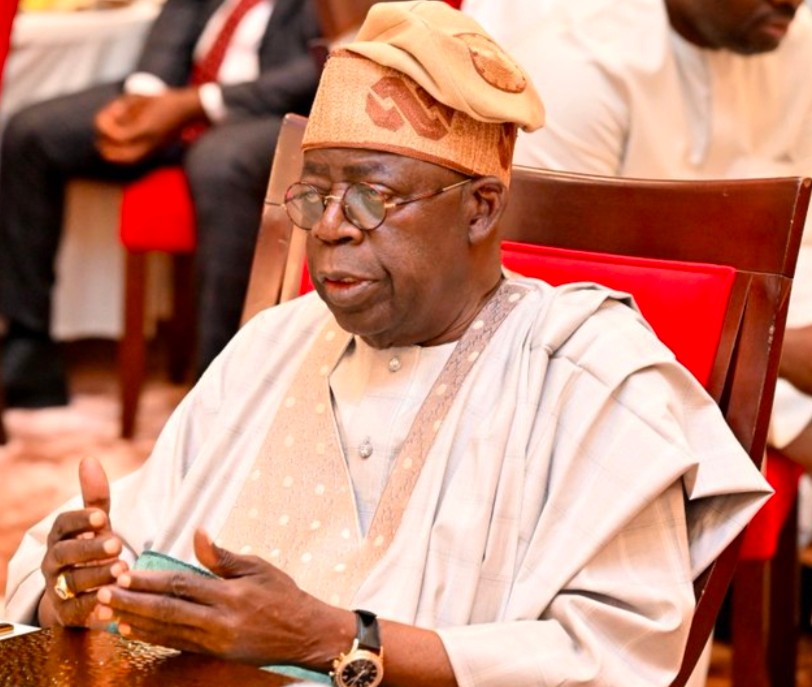
Nigeria’s House of Representatives has approved President Bola Tinubu’s request to secure a $516.33 million foreign loan to finance critical sections of the proposed Sokoto-Badagry Superhighway, one of the flagship infrastructure projects under the administration’s Renewed Hope Agenda. The decision marks another major milestone for the ambitious road project, but it has also reignited debate over Nigeria’s rising debt profile and the sustainability of large-scale borrowing.
The approval was granted during plenary after lawmakers considered the President’s request under the Committee of Supply. The facility is expected to come through Deutsche Bank in a syndicated financing arrangement designed to support Sections 1, 1A, and 1B of the superhighway project. (Punch Newspapers)
What Is the Sokoto-Badagry Superhighway?
The Sokoto-Badagry Superhighway is a proposed 1,000-kilometre transport corridor designed to link northern and southwestern Nigeria. The route is expected to stretch from Illela in Sokoto State through Kebbi, Niger, Kwara, Oyo, Ogun, and finally terminate in Badagry, Lagos State.
According to the Federal Government, the highway is intended to improve movement of goods and people, reduce travel time, lower logistics costs, strengthen food supply chains, and boost economic integration across multiple states. (Reuters)
Officials say the project could become one of the most transformative road networks in Nigeria if completed successfully.
Why the Loan Was Approved
President Tinubu had written to the National Assembly requesting legislative approval for the borrowing plan, explaining that the financing was already included in the Federal Government’s approved borrowing framework.
Lawmakers in the House backed the request, citing the strategic economic value of the road. Supporters argued that Nigeria cannot close its infrastructure gap without long-term financing, especially for projects capable of unlocking trade corridors and stimulating industrial growth.
The House also reportedly emphasized the need for oversight and transparency in the use of the funds. Some reports noted that lawmakers requested regular monitoring and auditing mechanisms to ensure accountability during implementation. (YNaija)
Terms of the Financing Deal
Earlier reports on the request indicated that the loan would have a nine-year tenor, including a grace period of up to three years. The financing would also reportedly include a partial risk guarantee involving the Islamic Corporation for the Insurance of Investment and Export Credit.
In addition to the external facility, the Federal Government is expected to provide counterpart funding running into hundreds of billions of naira for land acquisition, compensation, and related infrastructure obligations. (Punch Newspapers)
That means the total public cost of the project will go well beyond the headline $516.33 million figure.
Economic Benefits Being Projected
Supporters of the project argue that the road could reshape trade flows across Nigeria. The northern region produces large volumes of grains, livestock, onions, tomatoes, leather, and other agricultural goods. Easier access to southern markets and ports could reduce spoilage, cut transportation costs, and increase profits for producers.
Manufacturers in the southwest could also gain improved access to northern markets. Logistics companies, fuel stations, roadside businesses, warehouses, and industrial clusters along the route may benefit from increased commercial activity.
Analysts also say the road could help decongest existing highways and improve road safety if designed and maintained to modern standards.
If completed on schedule, the highway may become a visible symbol of Tinubu’s infrastructure-driven economic strategy.
Rising Debt Concerns
Despite the enthusiasm from supporters, critics have raised concerns over Nigeria’s increasing dependence on loans to finance development.
Nigeria already spends a substantial portion of government revenue on debt servicing. Economists have repeatedly warned that while borrowing for infrastructure can be justified, such loans must generate measurable economic returns and avoid waste, corruption, or project delays.
Some opposition voices argue that the government should prioritize improving internally generated revenue, plugging leakages, and cutting recurrent expenditure before adding new debt obligations.
Others question whether multiple mega-projects can be funded simultaneously without straining public finances.
Political Significance
The approval also carries political significance. The Sokoto-Badagry corridor symbolically links the far northwestern edge of the country with the southwestern coast, reflecting a message of national unity and economic integration.
For Tinubu, securing legislative backing demonstrates continued support in the National Assembly for his core economic agenda. It also allows the administration to maintain momentum on high-profile capital projects ahead of future political contests.
However, success will ultimately be judged not by approvals, but by actual construction progress, quality delivery, and public benefit.
What Nigerians Will Be Watching
With the loan now approved, attention is expected to shift toward execution. Citizens and stakeholders will likely watch several key issues closely:
First is whether construction begins promptly and moves at a reasonable pace.
Second is whether compensation for affected communities is transparent and fair.
Third is whether procurement processes remain competitive and corruption-free.
Fourth is whether the final road quality matches international highway standards.
And finally, Nigerians will watch whether the economic benefits promised by the government materialize.
Bigger Picture for Infrastructure Financing
The decision reflects a broader challenge facing developing economies: how to finance critical infrastructure without falling into unsustainable debt.
Nigeria needs roads, rail, ports, power systems, and digital networks to unlock growth. But every borrowed dollar must be efficiently deployed.
If the Sokoto-Badagry Superhighway becomes a productive economic corridor, supporters will call the loan worthwhile. If delays, cost overruns, or poor maintenance emerge, critics will point to it as another expensive missed opportunity.
For now, the House approval gives the project a major push forward but the harder part begins now: delivery.