Regina Daniels’ Drug Admission Sparks Broader Conversation on Celebrity Substance Abuse and Control in Relationships
Regina Daniels admits past drug use amid conflict with Ned Nwoko, raising deeper concerns about substance abuse, coercion, and power dynamics in celebrity marriages.
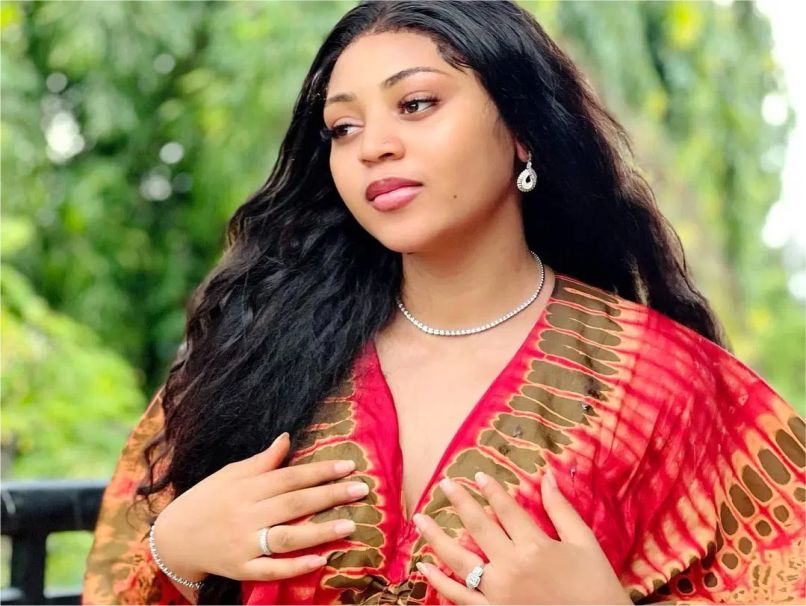
The ongoing conflict between Nigerian actress Regina Daniels and politician-businessman Ned Nwoko has taken a dramatic turn - not only reshaping public perceptions of their relationship but forcing an uncomfortable spotlight on drug use, mental health, and power dynamics in high-profile marriages.
Over the weekend, Regina Daniels issued a series of emotional Instagram posts responding to allegations made by Nwoko. He had earlier accused her siblings and friends of supplying illegal substances and interfering with an alleged rehabilitation process. The claims - widely circulated on social media and entertainment blogs - triggered intense debate about accountability, stigma, and control within intimate circles.
But beyond the viral drama and celebrity gossip, the unfolding controversy reveals deeper social concerns: the prevalence of drug use among young Nigerians, the exploitation of mental health diagnoses in toxic relationships, and how wealth and influence can shape narratives in marital conflict.
Regina Admits Drug Use but Rejects Family Blame
The actress publicly acknowledged she had used drugs in the past - a bold admission in a culture where substance use remains heavily stigmatized. However, she strongly denied that her family or close associates played any role in influencing her choices.
According to Regina, her husband’s accusations were designed to discredit her support system and isolate her: “Fine, I did drugs. So what? Is that even the issue between us? The moment we had a fight, you rushed to the public shouting drugs because you knew it would make a perfect story for the media.”
She accused Nwoko of weaponizing her vulnerability for public sympathy, framing himself as the protective husband while allegedly deepening her emotional distress.
Her posts also revealed claims of coercion, restrictions on movement, and threats of institutionalization - allegations that paint a concerning picture of psychological and emotional manipulation: “Why don’t you also tell them how you lock me up and tell doctors to inject me with drugs meant for people with bipolar disorder?”
These claims have intensified discussions about the misuse of mental health frameworks in controlling or punishing partners.
Disputed Marriage, Disputed Power
Regina further challenged the legitimacy of their union: “We were never married in any court of law, and no documents were signed.”
That revelation, if true, raises critical questions regarding legal protection for spouses in traditional/unregistered marriages, women’s rights in relationships where power imbalance is steep, and custody considerations when children are involved
Their 2019 marriage - celebrated with royalty, wealth, and global media attention was seen by many as a fairy-tale arrangement despite critics citing their significant age gap. Now, the fairy tale appears to be unravelling into a complex legal, emotional, and societal dispute.
The Wider Issue: Drug Use Among Nigerian Youths
While the public remains captivated by celebrity drama, Nigeria faces a growing drug crisis:
- The UNODC (United Nations Office on Drugs and Crime) estimates over 14 million Nigerians abuse drugs - one of the highest rates in Africa.
- Substance use is increasingly linked to mental health disorders, unemployment pressures, and the influence of the entertainment industry.
- High-profile figures are often role models - which is why Regina’s admission carries weight beyond her personal life.
Experts warn that glamourizing drug use through celebrity culture can normalize addiction while discouraging help-seeking due to shame and stigma.
When Influence Turns Abusive
Relationship psychologists have noted that wealth disparities can create dependency, social isolation often signals coercive control, and substance use can be exploited to diminish a partner’s credibility
The allegations Regina levelled - including claims that her phones were seized, her freedom restricted, and her relationships monitored - mirror behaviours documented in abusive relationship patterns globally.
If proven, such actions show how drug misuse can be used not only as a reason for intervention but also as a tool for domination.
Public Reaction: Support, Judgment, and a Fight for Image
While a section of the public commended Regina for finally speaking up, others believe she is attempting to rewrite the narrative after years of defending the marriage.
While supporters say her drug use admission shows courage, but that her accusations reflect systemic issues affecting young women in marriages with older, powerful men, critics argue that she benefited from the marriage when it favoured her and that social media shouldn’t be a courtroom.
Regardless of opinion, her willingness to admit past mistakes could help destigmatize conversations around rehabilitation and recovery.
What Happens Next?
Regina has vowed to pursue full legal action: “My name is ruined for now, but I will rewrite my story… It’s time to fight with all of me in court!”
Legal experts predict upcoming battles over custody of their two children, property and financial arrangements, public defamation claims and mental fitness assessments
For now, neither party has publicly provided independent evidence supporting their allegations. The case remains one of Nigeria’s most closely watched celebrity disputes.
A Celebrity Saga With a Public Health Lesson
This dramatic reveal isn’t just about a broken marriage; it’s a reminder that Drug abuse is a national crisis, not a scandal for entertainment. Victims of toxic relationships often suffer in silence, and that mental health and addiction require care, not public humiliation
Regina’s story - still unfolding - may ultimately encourage more Nigerian youths to acknowledge the realities of substance abuse and seek help before the consequences become irreversible.