Putin Condemns US-Israel War on Iran, Warns of Global Instability and Nuclear Escalation
Russian President Vladimir Putin has strongly condemned the US-Israeli attacks on Iran, calling them aggression and warning they could trigger nuclear proliferation and wider global instability. Here is an in-depth analysis of Russia’s position and its implications for world peace.
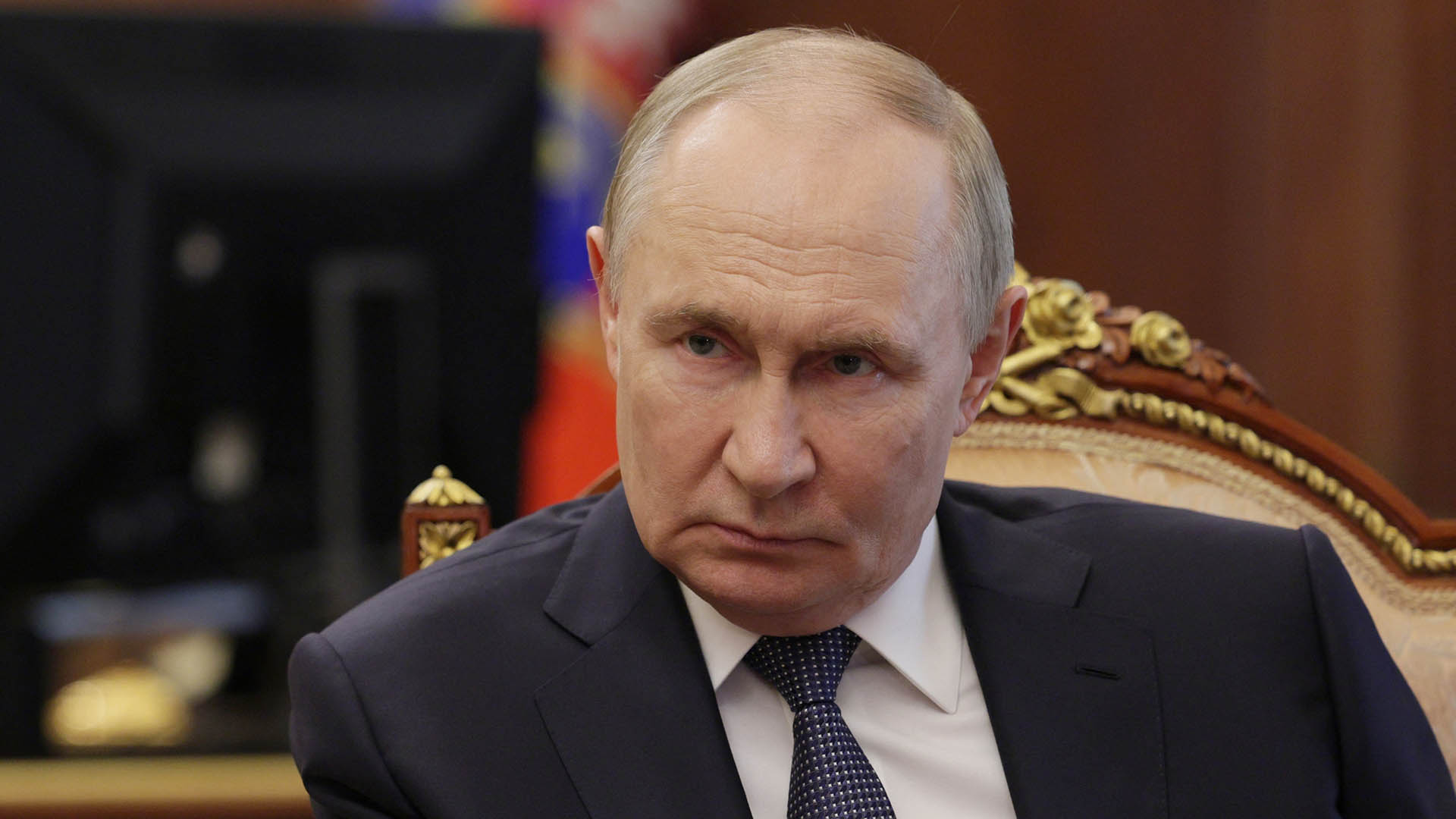
Russian President Vladimir Putin has sharply criticized the ongoing war involving the United States, Israel, and Iran, warning that the military campaign risks plunging the Middle East into chaos and threatening global stability. Moscow has described the coordinated US-Israeli attacks as an act of aggression and urged immediate diplomatic efforts to halt the escalating conflict.
The crisis intensified after coordinated air and missile strikes carried out by the United States and Israel against targets in Iran under what Israel called Operation Lion’s Roar, aimed at dismantling Iran’s military infrastructure and nuclear capabilities. (Wikipedia)
The attacks triggered retaliatory strikes across the Middle East and prompted strong reactions from world leaders. Among the most outspoken critics was Putin, who framed the operation as a dangerous violation of international norms.
Russia Calls the Strikes “Unprovoked Aggression”
Russia’s government condemned the attacks in unusually strong terms, describing them as “a pre-planned and unprovoked act of armed aggression against a sovereign state.” (PBS)
The Russian Foreign Ministry accused Washington and Tel Aviv of embarking on a reckless military adventure that could destabilize the entire Middle East and beyond. Moscow warned that such actions could push the region toward a humanitarian and economic catastrophe if the conflict spreads further. (Reuters)
Putin himself reportedly described the killing of Iran’s Supreme Leader Ali Khamenei during the initial phase of the war as a “cynical murder,” underscoring Russia’s strong condemnation of the operation. (euronews)
According to the Kremlin, the strikes threaten the sovereignty of Iran and undermine international law, particularly the principles of the United Nations Charter.
Russia Maintains Strategic Ties With Iran
Iran has been a significant geopolitical partner of Russia in recent years, particularly in areas of defense cooperation and regional politics. The two countries have coordinated positions on conflicts in Syria and have deepened economic and military cooperation.
Because of this relationship, the Kremlin quickly expressed solidarity with Tehran after the outbreak of hostilities, stating that it remains in constant communication with Iranian authorities as the conflict unfolds. (The Moscow Times)
Despite this alignment, Moscow has so far refrained from direct military intervention in the conflict. Analysts suggest Russia is carefully balancing its strategic partnership with Iran against the risk of becoming directly involved in another major war while it continues its military campaign in Ukraine.
Putin Offers Mediation to End the War
Rather than entering the conflict militarily, Putin has attempted to position Russia as a diplomatic mediator. Reports indicate the Russian leader held discussions with several regional leaders and suggested Moscow could help broker negotiations to end the war. (Russia Matters)
The Kremlin also convened an emergency meeting of Russia’s Security Council to assess the evolving situation and evaluate potential diplomatic options.
Putin’s call for mediation reflects Russia’s broader strategy of presenting itself as an alternative global power capable of shaping geopolitical outcomes in the Middle East.
Warning of Nuclear Proliferation
One of Russia’s most serious concerns about the conflict involves the potential for nuclear escalation. Russian Foreign Minister Sergei Lavrov warned that the US-Israeli attacks could unintentionally encourage Iran to pursue nuclear weapons.
Lavrov argued that countries without nuclear weapons become vulnerable to military attacks, which may motivate Iran-and even other countries in the region-to seek nuclear deterrence capabilities.
He cautioned that such a scenario could trigger a wider nuclear arms race in the Middle East, undermining decades of global non-proliferation efforts.
Strategic Opportunities for Russia
While condemning the war, analysts note that the crisis may also create strategic advantages for Moscow.
The instability in the Middle East diverts Western attention and resources away from the ongoing conflict in Ukraine, potentially easing pressure on Russia. At the same time, disruptions in global energy markets caused by the war could increase demand for Russian oil and gas.
Putin himself suggested that soaring energy prices linked to the conflict could reshape global markets and allow Russia to shift exports toward Asia and other emerging markets. However, the Kremlin also faces risks. A prolonged regional war could disrupt trade routes and destabilize allied governments in the Middle East.
Global Implications of Russia’s Position
Putin’s reaction highlights deep divisions among global powers regarding the Iran war.
1. Intensifying Great-Power Rivalry
Russia’s condemnation of the attacks reflects broader geopolitical competition between Moscow and Washington, particularly over influence in the Middle East.
2. Rising Risk of a Wider War
If the conflict expands to involve more regional actors or global powers, the crisis could evolve into a broader international confrontation.
3. Threat to Global Energy Security
The Middle East remains central to global oil supply. Escalation could disrupt shipping routes such as the Strait of Hormuz and trigger worldwide economic shocks.
4. Challenges to International Law
Russia argues that unilateral military strikes undermine the authority of international institutions and the principles governing global security.
Conclusion
President Vladimir Putin’s response to the US-Israeli war against Iran reflects Russia’s attempt to balance strategic alliances, geopolitical competition, and global diplomacy. By condemning the strikes as aggression while offering mediation, Moscow has positioned itself as both a critic of Western military action and a potential broker for peace.
Whether Russia will remain a diplomatic actor or become more directly involved depends largely on how the conflict evolves. But one thing is clear: the Kremlin sees the war not only as a regional crisis but as a turning point that could reshape the global balance of power and threaten international stability.