Pope Warns World Leaders: Weapons Cannot Deliver Lasting Peace Amid Rising Global Conflicts
Pope Leo XIV has declared that weapons and military force cannot bring lasting peace, urging world leaders to embrace dialogue, justice, and diplomacy as global conflicts continue to escalate.
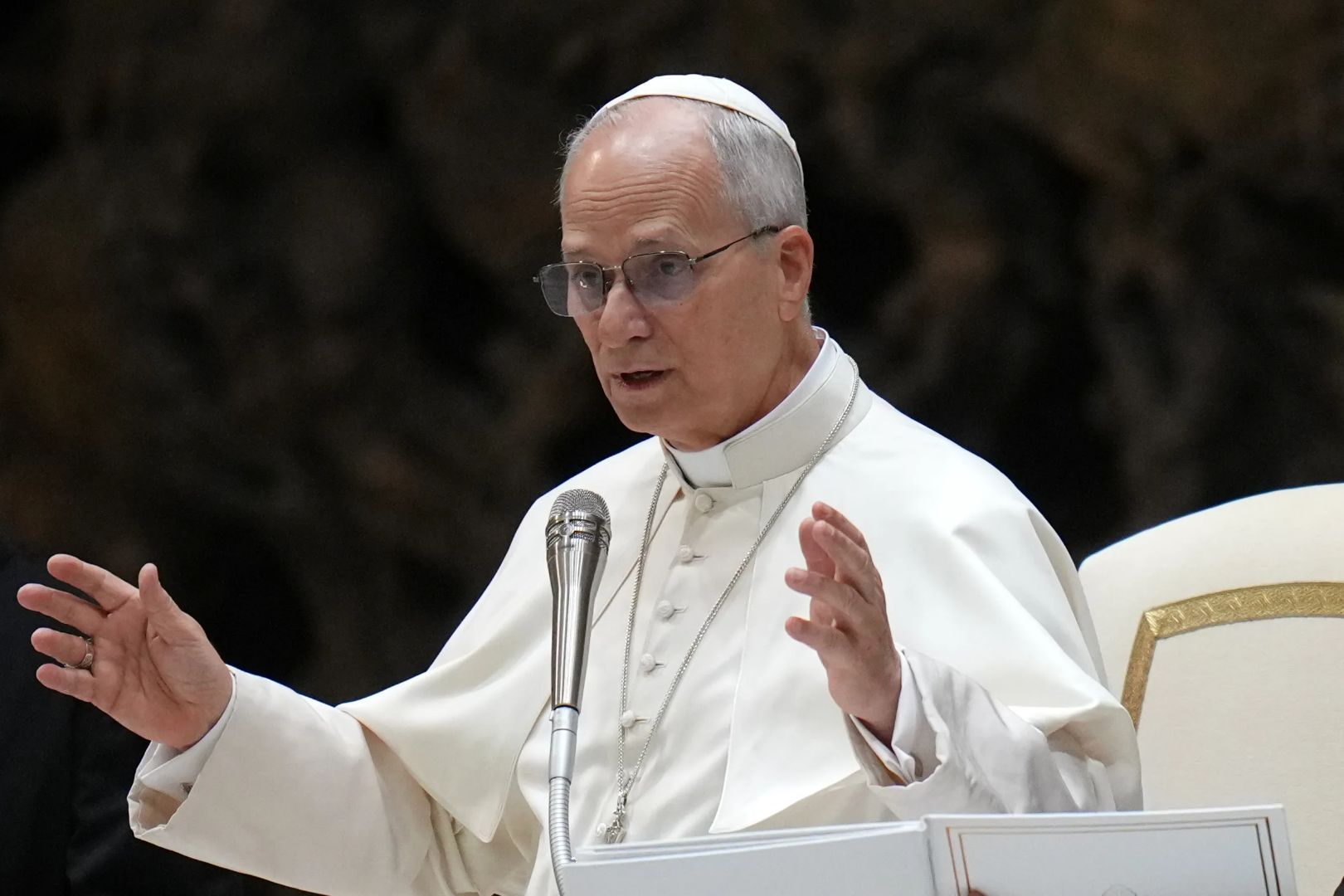
Pope Leo XIV has issued a powerful appeal to world leaders, declaring that weapons and military force cannot achieve “lasting peace” as conflicts continue to escalate across several parts of the world.
Speaking during a public address attended by thousands of worshippers and international dignitaries, the pontiff called for renewed global commitment to diplomacy, dialogue, reconciliation, and human dignity, warning that the increasing dependence on military solutions risks deepening global instability.
The Pope’s remarks come at a time when the world is facing multiple geopolitical crises, including renewed tensions in the Middle East, the prolonged Russia-Ukraine war, violence in parts of Africa, and growing concerns over nuclear threats and global militarization.
“Weapons may silence enemies temporarily, but they cannot build the trust, justice, and unity needed for lasting peace,” Pope Leo XIV reportedly said during the address.
His comments quickly drew international attention and sparked widespread discussions across political, religious, and humanitarian circles.
The Pope emphasized that peace cannot be imposed solely through force or military superiority, insisting that true peace must be rooted in fairness, compassion, respect for human life, and sincere dialogue among nations.
He also expressed concern over the enormous number of global resources being directed toward arms production while millions of people continue to suffer from hunger, displacement, poverty, and lack of access to healthcare and education.
According to the pontiff, humanity risks losing its moral direction when war becomes normalized and violence is viewed as the primary response to political disagreements.
“Our world does not need more instruments of destruction. It needs bridges of understanding,” he stated.
Observers noted that the Pope’s message appeared directed not only at governments currently engaged in active wars but also at powerful nations fueling global arms competition and proxy conflicts. (BBC News)
The Vatican has repeatedly positioned itself as a voice advocating peaceful negotiations and humanitarian intervention in international crises.
In recent months, Pope Leo XIV has consistently appealed for ceasefires in conflict zones and urged leaders to prioritize civilian protection over military escalation.
His latest statement comes amid heightened concerns over worsening violence in Gaza, ongoing Russian attacks in Ukraine, instability in Sudan, and renewed fears of confrontation between Israel and Iran.
Religious leaders and peace advocates welcomed the Pope’s message, describing it as timely and necessary in an increasingly polarized world.
Several humanitarian organizations noted that civilians continue to bear the greatest burden of global conflicts through displacement, food shortages, destruction of infrastructure, and psychological trauma.
The United Nations estimates that millions of people worldwide are currently displaced due to war and armed violence, with humanitarian needs reaching record levels in multiple regions.
Analysts say the Pope’s statement reflects growing international frustration over the inability of military interventions alone to resolve long-running conflicts.
Many experts argue that while nations have legitimate security concerns, excessive reliance on weapons and armed responses often creates cycles of retaliation that prolong violence rather than ending it.
Political commentators also pointed out that global military spending has continued to rise sharply in recent years despite worsening economic conditions in many countries.
According to international defense reports, several nations have increased investments in weapons systems, drones, missile technology, and nuclear modernization programs amid rising geopolitical tensions.
The Pope warned that this trend risks diverting attention and resources away from urgent social and humanitarian priorities.
He urged political leaders to demonstrate courage by choosing negotiation and reconciliation even when such paths appear politically difficult.
“Peace requires patience, wisdom, and sacrifice,” he said. “But war leaves generations wounded.”
The pontiff also addressed young people directly, encouraging them to reject cultures of hatred, extremism, and intolerance.
He called on religious institutions, educators, and civil society groups to promote unity and peaceful coexistence across communities divided by ethnicity, politics, or religion.
Social media reactions to the Pope’s comments were mixed, with many users praising his moral stance while others argued that some nations must maintain military strength to defend themselves against aggression.
Nevertheless, his remarks have reinforced the Vatican’s long-standing position that diplomacy and humanitarian engagement remain essential pathways toward sustainable peace.
International relations experts say the Pope’s influence, while largely moral rather than political, continues to resonate globally because of the Catholic Church’s extensive reach and historical role in peace advocacy.
Throughout modern history, popes have frequently intervened in global discussions surrounding war, nuclear weapons, migration, and human rights.
Pope Leo XIV’s latest appeal adds to a growing chorus of international voices urging restraint and renewed diplomatic efforts in conflict zones around the world.
Meanwhile, Vatican officials indicated that the Holy See would continue supporting humanitarian initiatives, peace-building programs, and interfaith dialogue aimed at reducing tensions in unstable regions.
The Pope concluded his message by calling on nations to remember the human cost of war beyond political calculations and strategic interests. (Reuters)
“Every bomb destroys lives, families, dreams, and futures,” he said. “No victory built on suffering can truly be called peace.”
As global conflicts continue to dominate international headlines, the Pope’s message has once again highlighted the urgent debate over whether the world can move away from cycles of violence toward more sustainable paths of coexistence and diplomacy.
For millions affected by war across the globe, his words offered both a warning and a hope that peace remains possible if humanity chooses dialogue over destruction.