Pope Leo XIV to Visit Cameroon Conflict Zone in Bold Peace Mission
Pope Leo XIV is set to visit Cameroon’s conflict-hit Anglophone region, raising hopes for peace in a war that has displaced hundreds of thousands.
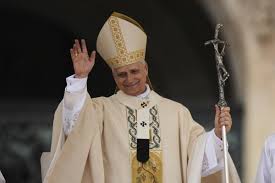
In a bold and symbolic move, Pope Leo XIV is set to enter one of Africa’s most volatile conflict zones as part of his ongoing continental tour, with a planned visit to Cameroon’s troubled Anglophone region.
The visit, described by observers as both historic and high-risk, is aimed at promoting peace in a conflict that has raged for nearly a decade. For many Cameroonians, it represents a rare moment of hope in a crisis that has devastated communities, displaced hundreds of thousands, and left deep national divisions.
A High-Stakes Visit to a War Zone
The pontiff’s itinerary includes a stop in Bamenda, a city at the heart of Cameroon’s Anglophone crisis. The region has been engulfed in violence since 2016, when protests over perceived marginalization of English-speaking communities escalated into an armed separatist insurgency. (Reuters)
Armed groups seeking independence for a self-declared state known as “Ambazonia” have clashed with government forces, leading to widespread instability.
Despite the risks, Pope Leo XIV is pressing ahead with the visit, signaling the Vatican’s willingness to engage directly in some of the world’s most difficult conflict zones.
Conflict Roots and Human Toll
The crisis in Cameroon stems from historical and linguistic divisions dating back to colonial rule, when the country was split between British and French administration.
Today, the predominantly English-speaking northwest and southwest regions accuse the central government of political and economic marginalization.
What began as peaceful protests has since evolved into a deadly conflict.
- More than 6,000 people have reportedly been killed
- Over 500,000 people were displaced internally
- Millions affected by insecurity and economic disruption
Entire communities have been uprooted, schools shut down, and humanitarian conditions worsened.
A Rare Ceasefire for the Pope
In a remarkable development, separatist groups have announced a temporary ceasefire to allow the Pope’s visit to proceed safely.
The pause in hostilities, expected to last several days, is being seen as a gesture of respect and an opportunity for reflection. (AP News)
While the ceasefire is temporary, analysts say it highlights the unique influence of religious diplomacy, particularly in deeply divided societies.
Meetings with Political Leadership
During his visit, Pope Leo XIV is expected to meet with Paul Biya, one of Africa’s longest-serving leaders.
The meeting is likely to focus on national unity, reconciliation, and the humanitarian crisis in the Anglophone regions.
However, critics note that any lasting solution will require meaningful political reform, something that has remained elusive despite years of international pressure.
A Mission of Peace and Reconciliation
Central to the Pope’s visit is a “meeting for peace” in Bamenda, where religious leaders, civil society groups, and victims of the conflict are expected to gather.
The event aims to:
- Promote dialogue between opposing sides
- Encourage forgiveness and reconciliation
- Highlight the human cost of continued violence
For the Catholic Church, which has a significant presence in Cameroon, the visit is also a pastoral mission offering spiritual support to communities deeply affected by conflict.
Voices of Hope and Skepticism
Among ordinary citizens, reactions to the visit are mixed but largely hopeful.
Many see the Pope’s presence as a moral intervention that could help break the cycle of violence. Victims of the conflict have expressed hope that his message will resonate with both government forces and separatist fighters.
A local priest, who survived multiple kidnappings during the conflict, described the visit as a “moment of healing” for a nation in pain.
However, skepticism remains.
Some analysts argue that while the visit is symbolically powerful, it may have a limited impact without concrete political action from the government and sustained engagement from separatist leaders.
Security Concerns and Regional Context
The visit comes amid broader security concerns across the region.
Just days before arriving in Cameroon, Pope Leo XIV’s tour was overshadowed by suicide attacks in Algeria, highlighting the risks associated with his African journey. (Punch Newspapers)
Despite these challenges, the Pope has remained committed to his mission, emphasizing peace, dialogue, and the rejection of violence.
Africa at the Center of Papal Diplomacy
The Cameroon visit is part of a wider African tour that includes stops in Algeria, Angola, and Equatorial Guinea.
Africa’s growing Catholic population now one of the largest in the world, has made the continent increasingly central to Vatican priorities.
For Pope Leo XIV, the trip reflects a broader strategy of engaging with regions facing conflict, inequality, and humanitarian crises.
Can the Visit Make a Difference?
The key question remains: can a papal visit influence a deeply entrenched conflict?
History offers mixed answers. While religious leaders can inspire dialogue and shift public sentiment, lasting peace typically requires political negotiations, compromise, and structural reforms.
In Cameroon, the challenges are significant:
- Deep mistrust between government and separatists
- Fragmentation within rebel groups
- Limited progress in previous peace efforts
Yet even small steps, such as a temporary ceasefire or renewed dialogue, can create openings for longer-term solutions.
Conclusion: A Symbolic Step Toward Peace
Pope Leo XIV’s planned visit to Cameroon’s conflict zone represents a rare moment of unity in a divided nation.
While the path to peace remains uncertain, the visit has already achieved something significant: bringing global attention to a largely overlooked crisis and creating a brief pause in violence.
Whether this moment translates into lasting change will depend on what follows.
For now, as the Pope prepares to step into one of Africa’s most troubled regions, millions are watching, hoping that faith, diplomacy, and moral authority can succeed where politics has so far failed.