Pope Leo XIV Diagnosed with Lung Cancer After Successful Surgery, Vatican Confirms
Pope Leo XIV has been diagnosed with lung adenocarcinoma after successful surgery to remove the lower lobe of his right lung. The Vatican says the operation had no complications as the 71-year-old pontiff begins recovery.
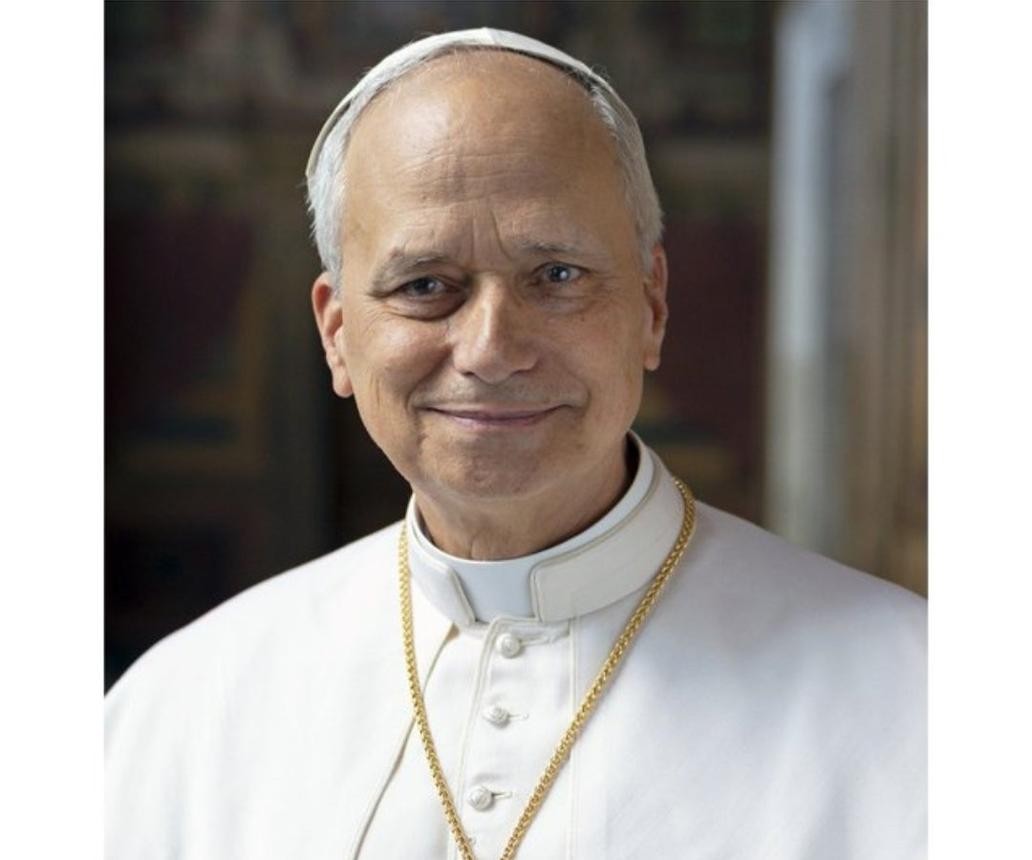
Pope Leo XIV has been diagnosed with lung cancer after undergoing successful surgery at Rome's Gemelli Hospital, the Vatican has confirmed, raising fresh concerns about the health of the 71-year-old leader of the Roman Catholic Church.
The Vatican announced on Tuesday, October 13, that tissue examined during the operation confirmed a diagnosis of lung adenocarcinoma, a common type of lung cancer. Surgeons removed the lower lobe of the Pope's right lung using a video-assisted surgical technique.
According to the Holy See Press Office's official medical statement, the procedure lasted approximately 90 minutes and was completed successfully without complications.
The Pope regained consciousness normally after surgery and returned to his hospital room following a brief period of observation.
The announcement marks a significant development in the health of the pontiff, who was elected in May 2025 and has spent approximately 17 months leading the worldwide Catholic Church.
Despite the confirmed cancer diagnosis, the immediate medical update offered some reassurance: the operation was successful, and the Pope's initial recovery proceeded without reported complications.
However, the Vatican has not publicly disclosed the cancer's stage or whether it had spread beyond the affected lung tissue. Further medical assessments will help clarify the implications of the diagnosis and the next steps in his treatment.
Pope spends calm night in hospital as recovery begins
In an update issued on Wednesday, October 14, the Vatican said Pope Leo had spent a calm first night at Gemelli Hospital following the operation.
According to Vatican News, the Holy See Press Office reported that the night had passed calmly and promised further information about his condition.
The pontiff reportedly woke normally after the procedure, returned to his room and spent the evening with his secretaries and Vatican staff. The medical team is expected to conduct additional examinations of the removed tissue.
The Vatican has maintained its earlier expectation that the Pope will remain in hospital for approximately one week.
His public engagements have been cancelled through October 20 to allow him time to recover. The decision means the Pope's immediate schedule will be significantly reduced while doctors monitor his progress.
The latest update offers cautious reassurance about his immediate postoperative condition, although it does not establish the long-term outlook for his cancer treatment.
What is lung adenocarcinoma?
Lung adenocarcinoma is a form of non-small cell lung cancer that develops in glandular cells, often in the outer areas of the lungs. It is among the most common types of lung cancer and can affect smokers and non-smokers alike.
The disease varies considerably in severity. Its outlook depends on several factors, including the size and location of the tumour, whether cancer cells have spread to lymph nodes or other organs, and the patient's overall health.
In some cases, surgery can remove cancer that is confined to a limited area of the lung. Additional treatment may or may not be necessary, depending on the findings from pathology examinations and the assessment of the medical team.
In the Pope's case, doctors removed the lower lobe of his right lung in an effort to eliminate the cancerous tissue. However, the Vatican has not yet released sufficient details to establish the cancer's stage or determine whether surgery alone will be adequate.
According to Reuters' report on the diagnosis and surgery, the size of the tumour and whether the disease had reached nearby lymph nodes remain undisclosed.
Consequently, claims about the Pope being completely cured or requiring further cancer treatment would be premature.
Global reactions as Catholics await further updates
News of the Pope's diagnosis has drawn messages of support from political leaders and Catholics around the world.
US Secretary of State Marco Rubio said he and his wife were praying for the pontiff, wishing him strength and asking for guidance for the medical professionals caring for him. German President Frank-Walter Steinmeier also expressed hopes for a speedy and full recovery, according to Reuters.
The reaction reflects the Pope's significance beyond the Catholic Church. As the leader of approximately 1.4 billion Catholics worldwide, his health is closely followed by religious communities, political leaders and international observers.
Pope Leo, born Robert Francis Prevost in Chicago, became the first American elected to the papacy in May 2025. Before his election, he spent many years serving the Church, including in Peru, where he worked as a missionary and held senior leadership positions.
His diagnosis comes as he continues to lead the Church's global activities and address issues affecting Catholics and the wider international community.
November South American visit faces uncertainty
The Pope's health situation has also raised questions about his planned visit to Uruguay, Argentina and Peru from November 6 to 17.
The 11-day trip is an important part of his scheduled international engagements, but its status remains uncertain while he recovers from surgery.
Any decision on whether the visit will proceed is likely to depend on his recovery, medical advice and his ability to undertake the demands of international travel.
Meanwhile, the Vatican's administrative operations continue during the Pope's hospitalisation. Although the pontiff remains the Church's supreme authority, officials and senior cardinals continue handling routine responsibilities within their respective roles.
Cardinal Luis Antonio Tagle led a Mass in St Peter's Square on Wednesday in place of the Pope, Reuters reported.
No formal change in papal leadership has been announced.
Conclusion: Vatican awaits further medical findings
Pope Leo XIV's lung cancer diagnosis represents a significant development in his health, but the successful surgery and his calm first night in hospital provide some immediate reassurance.
Doctors have removed the lower lobe of his right lung after examinations identified a growth suspected to be cancerous. Tests conducted during the operation confirmed lung adenocarcinoma, according to the Vatican.
The next stage will involve further examination of the removed tissue and continued monitoring of his recovery. Those findings should provide a clearer picture of the disease and help determine whether additional treatment is required.
For now, the Pope is expected to remain in hospital for about a week, with public engagements suspended through October 20.
Catholics and observers around the world will be watching for further updates, particularly concerning his recovery, treatment plan and scheduled November visit to South America.
The key development is that the operation was successful, but the full medical outlook remains uncertain pending further test results. (REUTERS)