Poland Detains Man Suspected of Plotting to Assassinate Prime Minister Donald Tusk
Poland has detained a man in his 60s suspected of planning an attack on Prime Minister Donald Tusk and Defence Minister Władysław Kosiniak-Kamysz, prompting heightened security concerns.
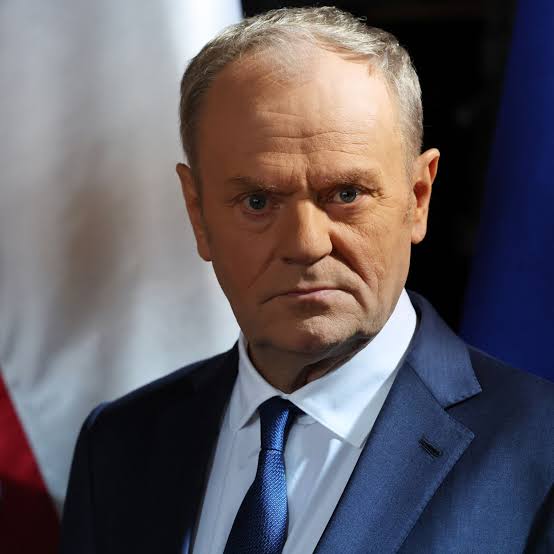
Polish authorities have detained a man suspected of planning an assassination attempt against Prime Minister Donald Tusk and Defence Minister Władysław Kosiniak-Kamysz, following intelligence about a potential attack that prompted an emergency security meeting in Warsaw.
The arrest, announced on Sunday, October 11, 2026, came after security officials received information about threats against the two senior government figures. Authorities said the suspect was identified through an analysis of online activity, although investigators have not publicly disclosed the precise details of the alleged plan.
According to Reuters, Interior Minister Marcin Kierwiński confirmed that a man in his 60s from the Lower Silesia region of southwestern Poland had been detained.
The arrest underscores the security challenges confronting the Polish government amid intense political divisions, concerns about radicalisation and heightened vigilance over threats to public officials.
How Authorities Uncovered the Alleged Plot
The investigation began after information about a possible attack reached Poland’s State Protection Service, the agency responsible for protecting senior government officials.
Interior Ministry spokeswoman Karolina Gałecka said the information was passed to police for action. Officials from the police, the State Protection Service and the Internal Security Agency subsequently held an emergency meeting at the domestic intelligence agency’s counterterrorism centre.
Authorities treated the warning as a serious security matter. Jacek Dobrzyński, spokesman for the minister overseeing Poland’s intelligence services, said officials believed there was a significant possibility that the threats could be carried out.
The suspect was reportedly identified through detailed analysis of material posted online. Investigators are examining his internet activity and contacts as they seek to establish the circumstances surrounding the alleged plan.
In a report published on October 12, Agence France-Presse (AFP) reported that searches were continuing at the suspect’s home and that authorities were verifying the information gathered about him.
Officials have not publicly identified the suspect or provided details of how the alleged attack was supposed to be carried out. The allegations therefore remain subject to investigation.
Why Donald Tusk and His Defence Minister May Have Been Targeted
The reported threat involved both Tusk and Kosiniak-Kamysz, who serves as defence minister and deputy prime minister.
Authorities have not established a publicly confirmed motive for the alleged plot. It would therefore be premature to attribute the suspected plan to a particular political organisation, ideology or foreign power.
Nevertheless, Poland’s political and security environment provides important context for the investigation.
The country has experienced intense political polarisation in recent years, while its position on NATO’s eastern flank has made national security a prominent issue. Poland has strongly supported Ukraine following Russia’s full-scale invasion in 2022 and has repeatedly warned about potential sabotage and other hostile activities.
However, the Polish interior minister cautioned against drawing conclusions about foreign involvement in this particular case. As AFP reported, officials indicated that it was too early to establish whether the alleged threat had any foreign connection.
The distinction is important because investigators must establish the facts of the case rather than assume a connection based on Poland’s wider geopolitical circumstances.
Previous Threats Against Polish Political Leaders
The latest arrest comes against a background of previous threats against public officials.
In August 2026, Polish police detained a 23-year-old man accused of calling for the assassination of senior politicians. Tusk has also previously reported receiving threats following the May 2024 assassination attempt against Slovak Prime Minister Robert Fico.
That attack, in which Fico was seriously wounded, raised concerns across Europe about the potential consequences of political hostility and violence against elected leaders.
The incidents do not establish a direct connection between the separate cases, but they illustrate why authorities take credible threats against senior officials seriously.
Poland has also faced a series of violent incidents at schools in recent days. According to Reuters’ reporting on the school attacks, one attack at a primary school killed a caretaker and injured two teachers, while another incident injured several people.
Although there is no confirmed evidence linking those attacks to the alleged assassination plot, the incidents have contributed to a broader debate about violence, online activity and public safety.
Government Response and Security Implications
Following the arrest, Tusk thanked police for what he described as their swift and decisive action. Kosiniak-Kamysz also expressed gratitude to the security services.
The detention demonstrates how intelligence-sharing, monitoring of potential threats and cooperation between law-enforcement agencies can contribute to protecting government officials.
However, the case also raises questions about the challenges of assessing threats that emerge through online activity. Investigators must distinguish credible preparations for violence from threatening rhetoric, while gathering evidence that can withstand legal scrutiny.
Authorities have not publicly disclosed all the evidence or announced the final legal outcome of the investigation. The detention should not be interpreted as proof of guilt.
Conclusion
Poland’s detention of a man suspected of plotting an attack against Donald Tusk and Władysław Kosiniak-Kamysz highlights the government’s concern over threats to senior officials and the importance of early intervention.
Investigators now face the task of establishing whether the suspected plan was actionable, determining the motive and identifying any individuals who may have been involved.
For Poland, the case is both a security investigation and a reminder of the need to address political intimidation without prejudging suspects or allowing unverified allegations to fuel further divisions. The outcome will depend on the evidence gathered and the findings of the authorities.