Plateau Court Upholds Jurisdiction Over Easter Attack Suspects in Angwan Rukuba Killings
A Plateau State High Court has upheld its jurisdiction to try suspects accused of terrorism-related offences over the deadly Angwan Rukuba Easter attack that killed about 30 people.
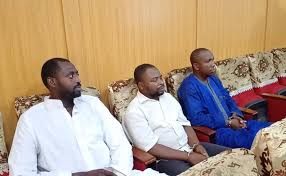
A Plateau State High Court sitting in Jos has upheld its jurisdiction to try suspects accused of involvement in the deadly Angwan Rukuba killings, rejecting a legal challenge that sought to transfer the case to the Federal High Court.
The ruling, delivered by Justice Gedeliah Fwomyon, is a significant development in the prosecution of the suspects arrested over the Palm Sunday attack in Jos North Local Government Area, which claimed about 30 lives.
The defendants had challenged the competence of the Plateau State High Court to hear the case, arguing that the allegations against them were terrorism-related and therefore fell exclusively under the jurisdiction of the Federal High Court.
The judge, however, dismissed the objection, holding that the Terrorism (Prevention and Prohibition) Act, 2022 (TPPA) does not expressly prevent state High Courts from trying terrorism-related offences. (Trending News)
Court rejects Federal High Court argument
The jurisdictional dispute centred on the interpretation of Nigeria's terrorism legislation and the constitutional powers of state courts.
Defence lawyers had argued that because the charges involved terrorism, the case should be heard by the Federal High Court.
They relied on the TPPA 2022, contending that terrorism offences created under federal legislation could not properly be prosecuted before a state High Court.
The defence therefore asked the Plateau court to decline jurisdiction and effectively halt proceedings against their clients.
The prosecution strongly opposed the application.
Plateau State's Director of Civil Litigation, Sabo Longji, argued that the defendants were being prosecuted under the Plateau State Penal Code, rather than directly under the federal terrorism law.
The prosecution maintained that the charges before the court were therefore within the competence of the state judiciary. (Channels TV)
Judge says state courts can hear terrorism cases
In dismissing the objection, Justice Fwomyon took a broader view of the constitutional and statutory framework.
The court held that although the TPPA is federal legislation, nothing in the law expressly bars a State High Court from entertaining terrorism-related offences.
The judge also held that terrorism is not listed among matters on the Exclusive Legislative List of the Nigerian Constitution.
Consequently, the court reasoned that both the National Assembly and State Houses of Assembly can validly legislate on terrorism.
The decision means that the Plateau State High Court can continue hearing the case instead of sending the suspects to the Federal High Court.
The ruling could have implications beyond the Angwan Rukuba case because it raises an important legal question about the appropriate courts for prosecuting terrorism-related offences in Nigeria.
Who are the suspects?
The Plateau State Government had earlier brought charges against Adamu Isa Alhassan, Isa Umar Ibrahim, Auwalu Abubakar, also known as Auwalu Dogo, and Musa Abubakar Ibrahim, also known as Yaroro.
Another suspect, Ado Ibrahim, is reportedly still at large.
The defendants were arrested by the Department of State Services (DSS) following investigations into the Angwan Rukuba attack.
The state government subsequently filed charges connected with the killings, including criminal conspiracy, culpable homicide, illegal possession of firearms and unlawful dealing in arms and ammunition. (The Sun Nigeria)
The prosecution has alleged that some of the defendants planned, facilitated or contributed to the attack.
However, the allegations remain matters for determination by the court, and the defendants are presumed innocent until proven guilty.
What happened at Angwan Rukuba?
The case arose from the violent attack on Angwan Rukuba, a community in Jos North Local Government Area, during the 2026 Holy Week.
Gunmen reportedly attacked residents on Palm Sunday, March 29, with the assault resulting in the deaths of about 30 people.
The attack shocked Plateau State and triggered widespread condemnation, particularly because it occurred during one of Christianity's most important religious periods.
Reports at the time indicated that the attackers opened fire on residents in the community, leaving several people dead and others injured.
The incident also contributed to renewed concerns about insecurity in Plateau State, where communities have suffered repeated attacks and displacement.
Premium Times reported that at least 28 people were initially confirmed dead, while other reports put the death toll at more than 30. (Premium Times Nigeria)
Trial had already progressed
The jurisdiction challenge came after the suspects had already been arraigned and the substantive criminal proceedings had begun.
In May, the Plateau State High Court granted the defendants permission to call witnesses in their defence, with each of the four suspects allowed to call up to five witnesses.
The development showed that the case had moved beyond the initial stages before the jurisdictional objection became a major issue. (The Sun Nigeria)
The defendants had also remained in DSS custody while proceedings continued.
In an earlier ruling, the court held that it had authority to determine where the suspects should be held during the trial, provided the location was secure. (TheStar)
Medical treatment request also rejected
Alongside the jurisdictional application, one of the defendants, Auwalu Abubakar, had sought an order directing the DSS to transfer him to Jos University Teaching Hospital (JUTH) for medical treatment.
The court also dismissed that application, according to reports of the August 11 proceedings.
The twin rulings therefore represent a setback for the defence and allow the prosecution to continue pursuing the case before the Plateau State High Court.
Wider legal significance
The court's interpretation of the terrorism legislation could become important in future criminal proceedings involving terrorism-related allegations.
Nigeria's fight against terrorism has traditionally involved federal security agencies and federal prosecution, making questions about jurisdiction particularly sensitive.
The defence's argument was based on the view that terrorism offences under the federal TPPA should be handled exclusively by the Federal High Court.
The Plateau court's position, however, is that the federal law does not expressly exclude State High Courts.
The decision could consequently generate further legal debate, especially if the defendants appeal the ruling.
Justice for victims
For families of those killed in Angwan Rukuba, the court's decision removes one immediate procedural obstacle to the continuation of the case.
The attack caused significant loss of life and renewed demands for accountability from authorities.
President Bola Tinubu had previously visited Plateau State following the killings and promised that those responsible would face justice.
The prosecution of the suspects is therefore being closely watched by victims' families, community leaders and security stakeholders.
What happens next?
With the jurisdictional challenge dismissed, the Plateau State High Court can proceed with the substantive trial, subject to any appeal or other legal applications by the defendants.
The prosecution will be expected to present evidence linking the accused to the alleged offences, while the defence will have the opportunity to challenge the evidence and present its own case.
The court will ultimately determine whether the prosecution has proved the charges beyond the required legal standard.
For now, the ruling means the Angwan Rukuba case remains before the Plateau State High Court in Jos.
Conclusion
The Plateau State High Court's decision to uphold its jurisdiction over the Easter attack suspects marks an important stage in the legal response to the Angwan Rukuba killings.
Justice Gedeliah Fwomyon rejected the defendants' argument that only the Federal High Court could hear terrorism-related charges under the 2022 Terrorism Prevention and Prohibition Act.
The court held that the legislation does not expressly bar State High Courts from trying such cases and that terrorism is not an item on the Constitution's Exclusive Legislative List. (TheCable)
The decision allows the prosecution to continue the case against the suspects accused of involvement in an attack that left about 30 people dead.
While the ruling does not determine the defendants' guilt or innocence, it clears a major procedural hurdle and brings the case closer to a determination on the substantive allegations.