Pivotal Moment as Trump Unveils 15-Point Plan to Tehran
The U.S. has sent a 15-point plan to Iran amid escalating tensions. This analysis explores the proposal, Iran’s reaction, and the far-reaching implications for global security, oil markets, and diplomacy.
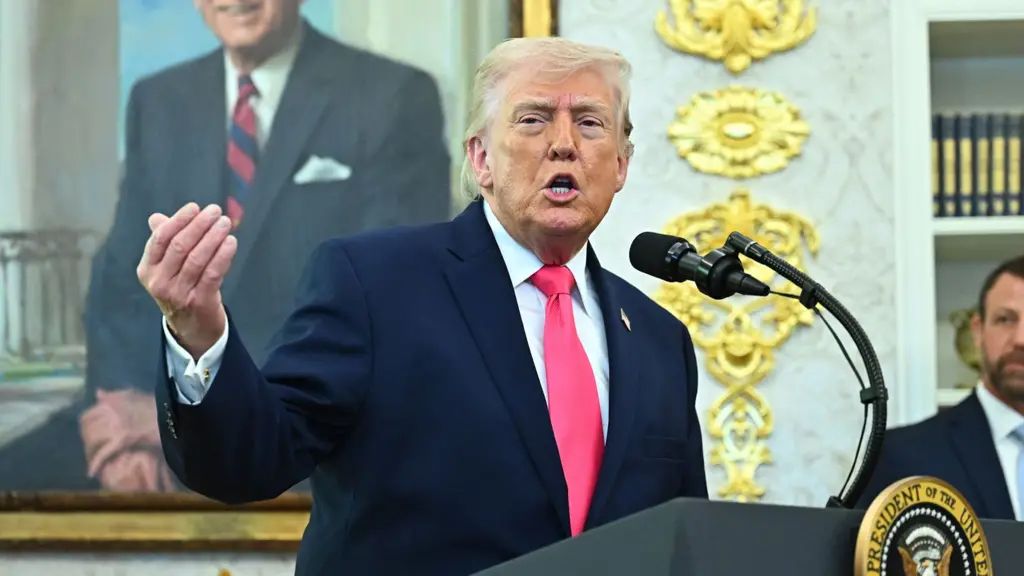
The reported transmission of a 15-point plan by Donald Trump to Iran marks a pivotal moment in the escalating Middle East crisis. Framed as a pathway to de-escalation, the proposal seeks to end hostilities and reset relations - but early reactions suggest it may instead deepen mistrust.
At its core, the plan reflects Washington’s long-standing demands: curbing Iran’s nuclear ambitions, limiting its military reach, and ensuring the free flow of global energy supplies. However, Tehran’s skepticism and outright denials of receiving such a plan underscore a widening diplomatic gulf.
What Is in the 15-Point Plan?
While the full document has not been publicly released, credible reports outline its major components. Key provisions include complete dismantling of Iran’s nuclear infrastructure, a permanent end to uranium enrichment, restrictions on ballistic missile development, withdrawal of support for regional proxy groups, full reopening of the Strait of Hormuz for global shipping, and acceptance of international monitoring of a civilian nuclear program.
In exchange, the U.S. reportedly offers a lifting of nuclear-related sanctions, economic incentives, and technical support for peaceful nuclear energy (The Wall Street Journal)
The plan also reportedly includes a temporary ceasefire period to facilitate negotiations (New York Post).
Iran’s Immediate Reaction: Rejection and Distrust
Tehran’s response has been swift and dismissive. Iranian officials have denied receiving any formal proposal, accused Washington of “negotiating with itself”, and described the plan as a tactical deception aimed at buying time (Reuters)
Crucially, Iran’s leadership has signaled that even if such a plan exists, it would likely be unacceptable in its current form. Officials argue that the demands are one-sided and excessive, the U.S. cannot be trusted after previous military actions, and any agreement must include security guarantees and reparations
This reaction highlights a fundamental problem: a collapse of trust between both sides.
Why the Plan Faces Major Obstacles
1. Asymmetry in Demands: The proposal appears heavily tilted toward U.S. strategic interests. Iran is expected to dismantle core elements of its defense and nuclear capability and limit its regional influence.
In return, it receives sanctions relief - something Tehran argues should not be conditional. This imbalance makes the plan politically difficult for Iran’s leadership to accept domestically.
2. Timing Amid Military Escalation: The plan comes in the context of ongoing U.S. and allied military operations and rising tensions across the region
Analysts suggest this creates a contradiction: diplomacy on paper, escalation in practice
Indeed, Iran views the proposal as an attempt to soften international perception while maintaining pressure on the ground (The Guardian).
3. Lack of Multilateral Backing
Unlike previous agreements, such as the Iran nuclear deal, this plan appears largely unilateral. Reports indicate limited involvement of global powers, and skepticism among G7 allies about U.S. strategy.
Without broad international support, enforcement and credibility become major challenges.
Strategic Implications
1. Risk of Escalation Rather Than De-escalation: Rather than easing tensions, the plan could harden positions.
If Iran rejects the proposal outright, the U.S. may escalate militarily, and Iran could retaliate through proxies or direct action. This increases the likelihood of a wider regional conflict.
2. The Strait of Hormuz Factor
The inclusion of the Strait of Hormuz is critical. This narrow waterway carries, around 20% of the global oil supply. By demanding its reopening, the U.S. is targeting a key leverage point for Iran. However, Iran may view control of the strait as its strongest bargaining chip
This creates a high-stakes standoff with global economic consequences.
3. Energy Markets and Global Economy: Any escalation tied to the plan could disrupt oil supply chains, trigger price spikes, and impact inflation globally.
For countries like Nigeria, which rely on oil revenues, the situation presents both opportunities (higher prices), and risks (market instability)
4. Shift in Middle East Power Dynamics: The plan also seeks to limit Iran’s influence across Iraq, Syria, and Lebanon.
If enforced, it would significantly alter regional power balances. However, failure could strengthen Iran’s resolve, and expand its influence through non-state actors
5. Diplomatic Precedent: The proposal signals a shift toward maximalist diplomacy - where one side presents a comprehensive list of demands rather than negotiating incrementally. This approach raises stakes, reduces flexibility, and increases chances of breakdown.
Global Reactions
International responses have been mixed:
- Russia has indicated it lacks clarity on the plan and cannot assess its credibility (Reuters)
- European allies are reportedly cautious, preferring de-escalation before negotiations
- Regional powers are divided, with some supporting U.S. pressure and others advocating dialogue
This fragmentation complicates any path to a unified diplomatic solution.
Is This a Real Peace Plan or Strategic Pressure?
A central question remains:
Is the 15-point plan a genuine diplomatic initiative - or a pressure tactic?
Evidence suggests it may serve the dual purposes of presenting the U.S. as open to negotiation, and justifying further action if Iran refuses.
Critics argue it resembles earlier proposals that failed due to unrealistic demands, and lack of mutual trust
Conclusion
The 15-point plan sent to Tehran represents a bold but highly contentious attempt to reshape U.S.-Iran relations.
While it outlines a comprehensive framework for peace, its success is undermined by deep mutual distrust, imbalanced demands, and ongoing military tensions. Rather than a breakthrough, the proposal may become another flashpoint in an already volatile region.
Ultimately, the plan underscores a harsh reality in modern geopolitics. Peace proposals are only as viable as the trust behind them - and in this case, that trust appears dangerously absent.