Petrol Prices Could Fall to ₦1,200 Per Litre as Dangote Refinery Slashes Rates, Raising Hopes for Consumer Relief
Dangote Refinery has reduced its petrol ex-gantry price to ₦1,200 per litre, sparking expectations of lower pump prices across Nigeria. Analysts say the move could ease transportation costs and inflation if marketers pass the savings on to consumers.
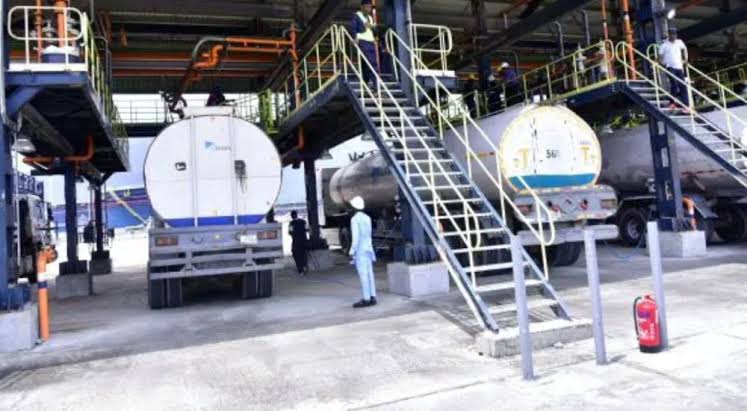
Nigerians may soon witness another reduction in the retail price of Premium Motor Spirit (PMS), popularly known as petrol, after Dangote Petroleum Refinery announced a fresh cut in its ex-gantry price to ₦1,200 per litre.
The development has raised expectations that filing stations across the country could begin selling petrol at lower prices in the coming days, providing much-needed relief to households and businesses grappling with high transportation and operating costs.
The latest adjustment represents a ₦75 reduction from the refinery's previous ex-depot price of ₦1,275 per litre. In addition, the refinery also reviewed its coastal supply price downward to ₦1,153 per litre, a move expected to influence fuel distribution costs for marketers operating along Nigeria's coastal corridors. (Premium Times Nigeria)
The refinery explained that the decision was made despite continued uncertainty in the international oil market, where geopolitical tensions in the Middle East have kept crude prices volatile. According to the company, the price review is intended to maintain competitiveness while ensuring a stable supply of refined petroleum products to the Nigerian market.
Industry stakeholders believe the reduction could trigger a fresh round of competition among petroleum marketers, with many expected to adjust their retail prices downward to remain competitive.
Energy analysts note that while the ex-gantry price has fallen to ₦1,200 per litre, the actual pump price consumers pay will still depend on additional logistics costs such as transportation, storage, depot margins and retailer mark-ups. Nevertheless, they expect many filling stations supplied directly by the refinery to reflect lower prices once existing inventories purchased at higher costs are exhausted.
The latest price cut comes at a time when Nigeria's downstream petroleum market is becoming increasingly driven by market competition following the removal of fuel subsidies. Since domestic refining capacity expanded, fuel prices have become more responsive to movements in international crude prices, exchange rates and supply-demand dynamics.
According to market observers, the presence of a major local refiner has significantly altered Nigeria's fuel supply chain by reducing dependence on imported petrol and encouraging price competition among suppliers. This has resulted in periodic upward and downward adjustments rather than the prolonged price stability that existed under the former subsidy regime. (Business Post Nigeria)
Transport operators, manufacturers and small business owners have welcomed the latest announcement, expressing hope that cheaper petrol would translate into lower operating expenses.
Commercial drivers in several cities said a sustained decline in fuel prices could eventually reduce transport fares, although many cautioned that operators would first need to recover costs incurred during previous periods of higher fuel prices.
Manufacturers are equally optimistic that lower energy costs could ease production expenses, particularly for businesses that rely heavily on petrol-powered generators due to inconsistent electricity supply.
Economists also argue that any sustained reduction in fuel prices could help moderate inflation by lowering logistics costs across multiple sectors of the economy. Transportation expenses remain a major contributor to the rising prices of food and consumer goods, making petrol costs a key factor in Nigeria's inflation outlook.
However, analysts warn that the full benefits will depend on several variables, including international crude oil prices, exchange rate stability and the consistency of crude supply to local refineries.
Recent fluctuations in global crude prices have demonstrated how quickly domestic fuel prices can change. A sharp rise in crude oil prices or renewed supply disruptions could reverse the downward trend if production costs increase significantly.
The refinery has also continued to emphasize the importance of reliable crude oil supply to sustain production and pricing stability. Industry experts argue that ensuring adequate feedstock for domestic refineries will remain critical to maintaining competitive fuel prices in Nigeria over the long term.
For petroleum marketers, the latest price review presents both opportunities and challenges. Dealers with existing inventories purchased at higher prices may initially delay retail price adjustments to minimize losses, while those able to source fresh supplies at the new rates could gain a competitive advantage by offering cheaper fuel to motorists.
Consumers, meanwhile, are expected to monitor retail stations closely over the coming days to see how quickly the reduction filters through the supply chain.
The announcement also reinforces the growing influence of local refining on Nigeria's petroleum market. As domestic refining capacity expands, experts believe competition among suppliers could lead to more market-driven pricing, potentially shielding consumers from some of the costs associated with imported fuel.
While many Nigerians remain cautious after experiencing repeated fuel price fluctuations over the past few years, the latest reduction has renewed hopes that increased local refining and stronger competition could eventually deliver more affordable energy costs.
Whether motorists ultimately enjoy petrol at or close to ₦1,200 per litre will depend on how quickly marketers adjust pump prices and whether broader market conditions remain favourable. For now, the refinery's latest price cut signals another step toward a more competitive downstream petroleum sector, with consumers eagerly awaiting corresponding reductions at filling stations nationwide.