Peter Obi Vows to Jail Anyone Who Rigs Election Under His Presidency
Peter Obi has vowed to jail anyone who rigs an election under his administration, saying even manipulation of a single vote would attract punishment if he becomes president in 2027.
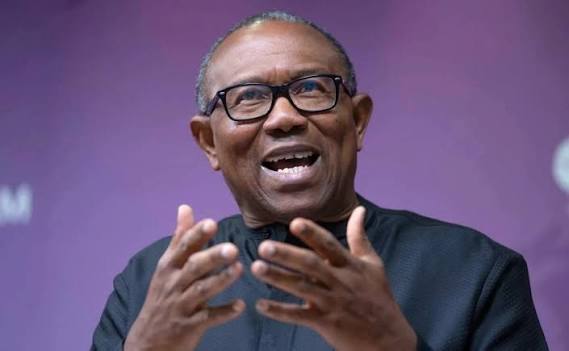
Presidential candidate of the Nigeria Democratic Congress (NDC), Peter Obi, has vowed that anyone who rigs an election under his administration would go to jail, declaring that the punishment would apply even if only one vote were manipulated.
Obi made the statement during an interview with ARISE News on Thursday, September 24, 2026, while discussing his approach to electoral integrity, opposition politics and governance ahead of Nigeria's 2027 general election.
“If I am the serving president of this country, whoever rigs the election will be in jail. Even for one vote, you will be in jail,” Obi said during the interview. (Arise News)
The former Anambra State governor's declaration comes amid renewed political debate over the credibility of Nigeria's electoral process and concerns about alleged manipulation, voter intimidation and the protection of election results.
Obi Promises Tough Approach to Electoral Fraud
Obi said his proposed administration would not tolerate electoral malpractice, regardless of who was responsible or the scale of the alleged manipulation.
His statement places electoral integrity among the issues he says would receive significant attention if he wins the 2027 presidential election.
The NDC candidate has previously spoken about protecting votes and preventing intimidation during elections. Earlier in September, he told supporters at a town-hall meeting in Port Harcourt that efforts would be made to ensure voters were able to exercise their franchise without intimidation. (TheCable)
During that engagement, Obi also raised concerns about possible manipulation of election results through technological and administrative processes, including the Independent National Electoral Commission's result-viewing system.
His latest comments go further by outlining a proposed criminal-justice response to anyone found responsible for electoral rigging under his government.
Opposition Parties Would Not Be Harassed, Obi Says
While promising severe consequences for electoral fraud, Obi also said an administration led by him would adopt a different approach towards opposition political parties.
According to reports of the ARISE News interview, he said opposition parties would not be harassed and that his government would work with them on issues affecting the country.
“No political party will be harassed. We will support them,” Obi said.
He said opposition parties would also be invited to participate in discussions on matters of national importance.
Obi argued that issues affecting the country should not be treated solely as matters for the governing party because their consequences extend beyond political divisions.
He further said opposition parties should remain involved in important national decisions even when the president is outside the country.
Statement Comes Ahead of 2027 Elections
Obi's comments come as Nigerian political parties begin positioning themselves for the 2027 general election.
The former Anambra governor contested the 2023 presidential election under the Labour Party and finished third behind Bola Tinubu of the All Progressives Congress and Atiku Abubakar of the Peoples Democratic Party.
He is now seeking the presidency under the NDC.
Electoral integrity has become a recurring theme in Obi's political engagements ahead of the next election. Earlier this month, he called on Nigerians to protect their votes and urged electoral authorities to prevent political interference. (The Guardian Nigeria)
The issue has also featured in wider political discussions involving other parties and political actors.
Electoral Manipulation Remains a Major Political Issue
Nigeria's electoral process has faced longstanding concerns over vote buying, voter intimidation, ballot manipulation, violence and disputes over election results.
The 2023 presidential election generated extensive legal challenges, including petitions filed by major opposition candidates.
Obi and his supporters have repeatedly questioned aspects of the 2023 electoral process. His latest comments therefore form part of a broader argument that the credibility of future elections depends on ensuring that votes are accurately cast, counted and protected.
However, allegations of electoral manipulation remain matters that must be established through evidence and appropriate legal processes.
Recent political exchanges have demonstrated how contentious the subject remains. FCT Minister Nyesom Wike, for example, recently rejected allegations that he rigged the 2023 presidential election in the South-South in favour of President Tinubu. Wike described the allegation as a “baseless narrative” and said his G5 group of governors had used political strategy rather than election rigging. (Punch Newspapers)
What Would Punishment for Rigging Involve?
Obi's statement is a political commitment rather than a change to Nigeria's existing electoral law.
Any person accused of electoral offences would still be subject to the country's legal and judicial processes. A president cannot simply determine that an individual is guilty and impose imprisonment without due process.
Nigeria's electoral laws already contain provisions dealing with offences associated with elections, including offences relating to unlawful interference with the electoral process.
Consequently, implementing Obi's pledge, if he were elected, would involve law-enforcement agencies, prosecutors and the courts operating within the constitutional and statutory framework.
His statement that even manipulation of one vote would attract imprisonment appears intended to underscore his position that electoral fraud should be treated seriously regardless of its scale.
Obi's Broader Governance Message
The electoral-rigging declaration was part of a broader message about how Obi says he would approach governance.
In addition to promising action against electoral malpractice, he said political opponents would not be excluded from national affairs.
His comments suggest that he views electoral integrity and political inclusion as connected issues: elections should be competitive and protected, while parties that lose elections should continue to participate in national discussions.
The position comes at a time when political tensions are already increasing ahead of the 2027 presidential contest.
The Independent National Electoral Commission has also warned political actors against inflammatory rhetoric capable of contributing to violence as preparations for the election continue.
Protecting the Credibility of the 2027 Election
The credibility of the 2027 election will depend on several institutions and actors, including INEC, security agencies, political parties, candidates, election officials, voters and the courts.
Political commitments such as Obi's pledge may become part of the debate over how future administrations would address electoral offences. However, actual enforcement would depend on the legal framework and the independence and effectiveness of the institutions responsible for investigating and prosecuting electoral crimes.
For now, Obi's declaration adds another significant statement to the growing political discussion over Nigeria's next presidential election.
His message is that anyone who deliberately manipulates an election under his administration would face criminal consequences, even where the alleged manipulation involves a single vote.
As the country moves closer to the 2027 polls, electoral integrity is likely to remain one of the central issues confronting candidates and voters alike.