Peter Obi’s Transparency Stance Earned Him National Respect, Says Kano NDC Governorship Candidate
The Nigeria Democratic Congress (NDC) governorship candidate in Kano State has praised Peter Obi’s commitment to transparency, saying the former Anambra governor has earned widespread respect for advocating accountability and openness in Nigeria’s electoral process.
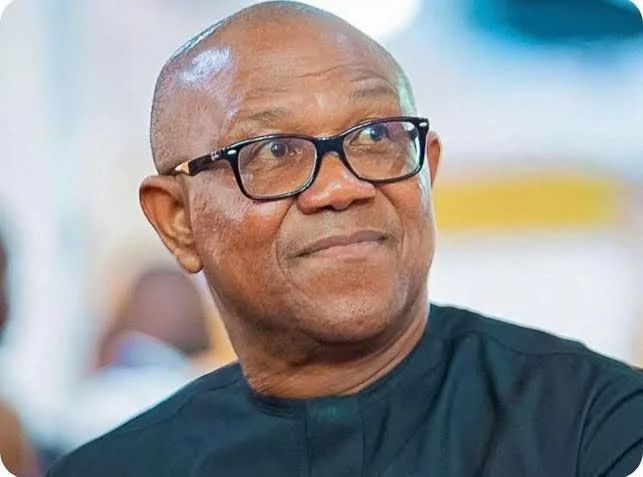
The governorship candidate of the Nigeria Democratic Congress (NDC) in Kano State has hailed the party’s presidential candidate, Peter Obi, describing his unwavering commitment to transparency and accountability as the foundation of the respect he enjoys across Nigeria.
The Kano NDC flag bearer made the remarks while reacting to Obi’s recent call on the Independent National Electoral Commission (INEC) to publicly release the academic certificates and credentials submitted by candidates seeking elective office.
According to the governorship candidate, Obi’s insistence on openness in governance and elections demonstrates the kind of leadership Nigerians have long demanded from those seeking public office.
He argued that transparency is one of the qualities that has distinguished the former Anambra State governor from many contemporary politicians.
Obi's Call for Electoral Transparency
The comments followed Peter Obi’s proposal that INEC should publish the academic qualifications and credentials submitted by candidates during the nomination process.
Obi said making such documents publicly accessible would enhance public confidence in Nigeria’s electoral system, reduce unnecessary controversies over qualifications, and strengthen accountability.
The former governor noted that candidates are already required to answer questions regarding whether they have ever submitted forged certificates to the electoral commission, arguing that greater openness would help citizens verify information independently.
According to him, transparency should not be viewed as a burden but as an essential ingredient of democratic governance. (TheCable)
'Respect Is Earned Through Openness'
Speaking in Kano, the NDC governorship candidate said Obi's position reflects a consistent commitment to integrity rather than political expediency.
He noted that Nigerians increasingly admire leaders who willingly subject themselves to public scrutiny instead of avoiding accountability.
According to him, Obi has consistently advocated policies that encourage openness in public administration, prudent management of public resources and citizen participation in governance.
He added that the respect Obi commands across different regions of the country stems from his willingness to hold himself to the same standards he expects from other public officials.
The Kano politician stressed that credibility in public service begins with transparency and honesty.
Building Trust in Elections
The NDC governorship candidate argued that public trust in elections depends not only on credible voting processes but also on the transparency of those seeking public office.
He said voters deserve access to accurate information about candidates before making electoral decisions.
According to him, publishing candidates' credentials would reduce speculation, discourage misinformation and eliminate unnecessary litigation arising from disputes over educational qualifications.
He described Obi's proposal as a practical reform capable of improving confidence in Nigeria's democratic institutions.
Political observers have noted that disputes over academic qualifications have featured prominently in several Nigerian election petitions over the years.
Accountability as a Leadership Principle
The Kano candidate said accountability must become a defining principle for political leadership in Nigeria.
He argued that elected officials should embrace openness in financial management, policy implementation and public communication.
According to him, democratic governance thrives when citizens have access to information that enables them to evaluate the performance and integrity of public office holders.
He maintained that leaders who voluntarily disclose relevant information strengthen public confidence and reduce suspicion.
The governorship hopefully added that transparency should extend beyond elections to include government budgeting, procurement processes and project implementation.
NDC's Reform Agenda
The Kano governorship candidate also highlighted what he described as the Nigeria Democratic Congress' commitment to internal democracy and institutional reforms.
He said the party intends to build a political culture based on merit, accountability and citizen participation rather than personality politics.
According to him, the NDC seeks to distinguish itself by promoting transparent decision-making processes and encouraging public engagement.
He expressed confidence that Nigerians are increasingly embracing political leaders who prioritize integrity over personal interests.
Party officials have repeatedly stated that institutional reforms remain central to the NDC's political philosophy. (The Nation Newspaper)
Growing Debate on Electoral Reforms
Obi's proposal has generated discussions among legal practitioners, election observers and civil society organisations.
Supporters argue that making candidates' credentials publicly available would improve transparency and help voters make informed choices.
Some analysts believe such disclosure could reduce the frequency of post-election legal disputes involving allegations of certificate forgery or misrepresentation.
Others have called for broader reforms that would also increase transparency in campaign financing, political party primaries and election result management.
Election experts note that public confidence remains a critical factor in the credibility of democratic processes.
Calls for Institutional Strengthening
The Kano politician urged electoral institutions to continue implementing reforms that promote fairness and accountability.
He emphasized that strengthening public trust requires consistent adherence to constitutional provisions and equal treatment of all political actors.
According to him, transparency should become a standard practice rather than an exceptional measure adopted only during election periods.
He also encouraged political parties to nominate candidates with proven records of integrity and competence.
Observers say reforms aimed at increasing openness could contribute to improving Nigeria's democratic culture ahead of future elections.
Looking Ahead
As preparations for future electoral contests continue, discussions surrounding transparency and accountability are expected to remain central to Nigeria's political discourse.
Peter Obi's proposal has reignited conversations about how electoral institutions can strengthen public confidence through greater openness.
For the Kano NDC governorship candidate, the issue extends beyond electoral procedures to the broader question of leadership ethics.
He believes that leaders who willingly embrace transparency earn public respect because they demonstrate confidence in their integrity and commitment to democratic values.
Whether INEC adopts Obi's recommendation remains to be seen, but the proposal has already stimulated a nationwide conversation about accountability, openness and the standards expected of those seeking to lead Africa's most populous nation.