Peter Obi Emerges NDC Sole Presidential Aspirant Ahead of 2027 Elections as Party Consolidates Power Base
Peter Obi has emerged as the sole presidential aspirant of the Nigeria Democratic Congress (NDC) ahead of the 2027 elections after the party concluded its screening process, signaling a major political realignment in Nigeria’s opposition landscape.
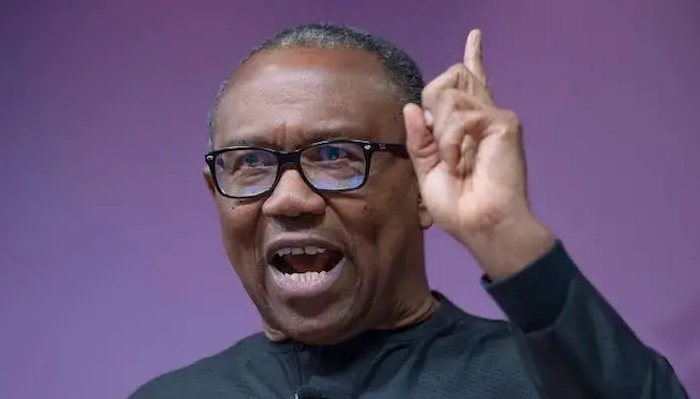
The political landscape ahead of Nigeria’s 2027 general elections took a dramatic turn as former Anambra State Governor Peter Obi has reportedly emerged as the sole presidential aspirant of the Nigeria Democratic Congress (NDC), following the conclusion of the party’s internal screening and nomination process.
The announcement marks a significant consolidation within the relatively new political platform, which has been attracting high-profile defections and coalition alignments in recent months as opposition forces reposition ahead of the next national election cycle.
Party officials confirmed on Tuesday that Obi was the only aspirant cleared to proceed to the final stage of the presidential selection process, effectively making him the party’s consensus candidate pending formal ratification at the party’s national convention.
NDC Moves Toward Consensus Candidacy
According to senior party insiders, the decision to present Obi as the sole aspirant followed weeks of internal consultations, negotiations, and screening exercises involving multiple political figures.
The Nigeria Democratic Congress (NDC) leadership said the move was aimed at strengthening internal unity and avoiding a divisive primary election that could weaken the party’s chances in 2027.
Officials said the screening committee evaluated all aspirants based on criteria including political experience, national appeal, integrity, electability, and alignment with the party’s reform agenda.
Following the review, Obi reportedly emerged as the strongest consensus option among party stakeholders, leading to the withdrawal or disqualification of other potential contenders.
A formal ratification of his candidacy is expected at the party’s national convention scheduled for later in the year.
Obi’s Political Profile and Appeal
Peter Obi, who previously served as governor of Anambra State and was the Labour Party’s presidential candidate in the 2023 elections, has built a national political profile centered on fiscal discipline, governance reform, and anti-corruption messaging.
His performance in the last presidential election significantly reshaped Nigeria’s political dynamics, particularly among younger voters and urban populations.
Political analysts say Obi’s emergence within the NDC could provide the party with a strong national identity, especially as it seeks to position itself as a credible alternative to Nigeria’s dominant political parties.
His supporters argue that his economic messaging, focus on accountability, and reputation for modest leadership style continue to resonate with a large segment of Nigerian voters.
Internal Realignment Within the NDC
The NDC’s decision to rally behind a single presidential figure is seen as part of a broader strategy to build cohesion within a rapidly expanding political structure.
In recent weeks, the party has attracted politicians from different regions and ideological backgrounds, creating both opportunities and internal tensions.
Party leadership believes that endorsing a consensus candidate early will help stabilize the party and prevent factional disputes that often weaken opposition parties in Nigeria.
Sources within the party say consultations were held with key stakeholders across the North, South-East, South-West, and South-South regions before the final decision was made.
Political Reactions Across Nigeria
The development has sparked widespread reactions across Nigeria’s political landscape.
Supporters of the NDC welcomed the decision, describing it as a strategic move that could reshape opposition politics ahead of 2027.
However, critics argue that selecting a sole aspirant without a competitive primary process could raise concerns about internal democracy within the party.
Some political observers have also questioned whether the NDC can maintain unity around Obi as it continues to expand its membership base.
Despite these concerns, analysts agree that Obi remains one of the most influential opposition figures in Nigeria’s current political environment.
Opposition Landscape Takes New Shape
Nigeria’s opposition politics has undergone significant restructuring in recent years, with multiple parties attempting to form broader coalitions capable of challenging the ruling establishment.
The emergence of Obi as the NDC’s sole aspirant is expected to intensify negotiations among opposition blocs as they explore possible alliances ahead of the 2027 elections.
Political commentators say his candidacy could attract younger voters, civil society actors, and reform-minded politicians seeking alternatives to traditional party structures.
However, questions remain about how the NDC will navigate regional balancing, zoning arrangements, and internal power distribution as the election approaches.
Strategy Ahead of 2027 Elections
Party insiders say the NDC is focusing on early consolidation to avoid the internal disputes that have weakened opposition parties in past election cycles.
By presenting a unified presidential candidate early, the party hopes to shift attention toward grassroots mobilization, policy development, and national outreach.
The party is also expected to intensify efforts to build its structures across Nigeria’s 36 states, with special focus on voter registration and youth engagement.
Analysts suggest that early candidate consolidation could give the NDC a strategic advantage in fundraising, coalition-building, and national visibility.
Obi’s Next Political Steps
With his emergence as the sole aspirant, attention now turns to Peter Obi’s next political moves within the NDC framework.
He is expected to embark on consultations with party leaders, regional stakeholders, and grassroots supporters to strengthen internal cohesion.
Obi is also likely to unveil early policy directions focusing on economic reform, education, healthcare, and anti-corruption measures.
However, the formal confirmation of his candidacy still depends on ratification at the party’s upcoming national convention.
Challenges Ahead for the NDC
Despite the optimism surrounding Obi’s emergence, political analysts warn that the NDC still faces significant challenges.
These include building nationwide party structures, managing internal diversity, and competing against established political machines with deeper financial and organizational resources.
The party will also need to maintain unity among its growing membership base while avoiding factional disputes that could undermine its electoral ambitions.
Conclusion
The emergence of Peter Obi as the sole presidential aspirant of the Nigeria Democratic Congress represents a defining moment in Nigeria’s evolving political landscape.
As the NDC positions itself for the 2027 elections, the decision reflects a strategic push toward unity, early consolidation, and national relevance.
While challenges remain, the development has already reshaped political conversations across the country and set the stage for what could become one of Nigeria’s most closely watched election cycles in recent history.