Peter Obi Calls for Wage Review and Deep Economic Reforms Amid Nigeria’s Cost-of-Living Crisis
Peter Obi has called for urgent wage reviews and sweeping economic reforms in Nigeria, warning that rising inflation and hardship are eroding workers’ incomes. Explore the implications, reactions, and policy debates.
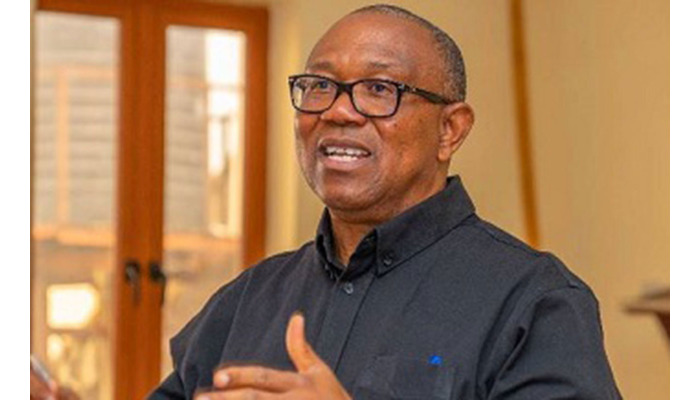
Former Labour Party presidential candidate Peter Obi has renewed calls for an urgent review of workers’ wages alongside comprehensive economic reforms, warning that worsening economic conditions are eroding the value of labour and deepening hardship across Nigeria. His latest intervention comes at a time when rising living costs continue to dominate national discourse, especially during the 2026 Workers’ Day period. (Punch Newspapers)
Obi’s position reflects growing concerns among economists, labour leaders, and citizens that current wage levels are no longer sufficient to meet basic needs in an inflation-driven economy.
A Call for Urgent Wage Review
Speaking on the state of the economy, Obi emphasized that workers’ incomes have been severely undermined by inflation, currency pressures, and rising costs of essential goods such as food, transportation, and housing. He argued that without an upward review of wages, millions of Nigerian workers would continue to face declining purchasing power.
Nigeria introduced a new national minimum wage of ₦70,000 in 2024, but implementation has been uneven across states, and inflation has already reduced its real value. (Nairametrics)
Obi’s call aligns with broader demands from labour unions like the Nigeria Labour Congress (NLC), which has also insisted that wages must be periodically reviewed to reflect economic realities.
For Obi, however, wage increases alone are not enough. He argues that without structural economic reforms, any wage adjustment would be quickly eroded by inflation.
The Bigger Issue: Economic Reforms
Beyond wages, Obi stressed the need for “broad economic reforms” to address the root causes of Nigeria’s economic challenges.
He has consistently advocated for a reduction in the cost of governance, blocking revenue leakages, increased investment in productive sectors, improved fiscal discipline, and transparent public spending.
In previous statements, Obi raised concerns about massive revenue losses, citing reports that trillions of naira failed to reach government accounts over three years.
He has also criticized excessive borrowing and inefficient spending, warning that such practices could worsen Nigeria’s fiscal position without delivering real economic benefits.
Context: Nigeria’s Economic Struggles
Obi’s comments come against the backdrop of sweeping economic reforms introduced by the administration of Bola Ahmed Tinubu since 2023.
Key reforms have included the removal of fuel subsidies, the unification of the foreign exchange rate, and tax and fiscal policy adjustments.
While these policies have been credited with stabilizing macroeconomic indicators such as foreign reserves and exchange rates, they have also triggered a severe cost-of-living crisis. (Reuters)
Inflation surged, food prices climbed, and millions of Nigerians fell deeper into poverty. Even as inflation has begun to ease in recent months, the impact on household incomes remains significant.
This economic tension between long-term reform benefits and short-term hardship is at the center of the national debate.
Workers at the Center of the Debate
Workers have become the most visible victims of the economic transition.
Despite wage adjustments, rising prices have outpaced income growth. Reports indicate that many Nigerians still struggle to afford necessities, overshadowing celebrations like Workers’ Day. (The Guardian Nigeria)
Obi’s intervention highlights a key concern: that economic reforms must translate into tangible improvements in living standards, not just macroeconomic indicators.
For many workers, the question is simple - if reforms are working, why are living conditions worsening?
Political and Policy Reactions
Obi’s comments have drawn mixed reactions across Nigeria’s political landscape.
Supporters argue that he is raising legitimate concerns about the human cost of current policies. They see his proposals as a call for more inclusive and people-centered economic management.
On the other hand, some government allies maintain that the reforms already underway will eventually benefit workers. They argue that short-term sacrifices are necessary to achieve long-term stability and growth.
This divergence reflects a broader policy debate:
- Should Nigeria prioritize immediate relief for citizens?
- Or focus on long-term structural reforms, even if painful in the short term?
The Risk of Ignoring Wage Pressures
Economists warn that failure to address wage stagnation could have serious consequences.
Low wages in a high-inflation environment can lead to reduced productivity, increased poverty levels, rising social unrest, and weak consumer spending.
In an economy where consumption drives growth, declining purchasing power can slow recovery and weaken overall economic performance.
Obi’s warning, therefore, is not just political - it reflects broader economic risks.
Lessons From Obi’s Position
1. Wages Must Reflect Economic Reality: Static wages in a dynamic economy quickly become inadequate. Regular reviews are essential.
2. Reforms Must Be People-Centered: Economic policies must balance macroeconomic stability with citizens’ welfare.
3. Transparency Builds Trust: Addressing revenue leakages and public spending inefficiencies can improve confidence in government.
4. Growth Must Be Inclusive: Economic progress must translate into improved living standards for ordinary Nigerians.
What Happens Next?
The pressure for wage adjustments is likely to intensify, especially as labour unions continue negotiations with federal and state governments.
At the same time, the success of ongoing reforms will be judged not just by economic indicators, but by their impact on everyday life.
For policymakers, the challenge is clear: how to maintain reform momentum while cushioning citizens from hardship.
Final Analysis
Peter Obi’s call for wage review and economic reforms reflects a growing national concern that Nigeria’s economic transformation must not leave its workers behind.
His message underscores a critical reality: reforms are only meaningful if they improve lives.
As Nigeria navigates its economic transition, the balance between fiscal discipline and social protection will determine whether the country achieves sustainable growth or deepens inequality.