Pakistan Mosque Bombing: At Least 16 Killed After Explosives-Laden Vehicle Rams Police Compound
At least 16 people, including five police officers, have been killed and 57 injured after an explosives-laden vehicle rammed a police compound near a mosque in Kohat, Pakistan.
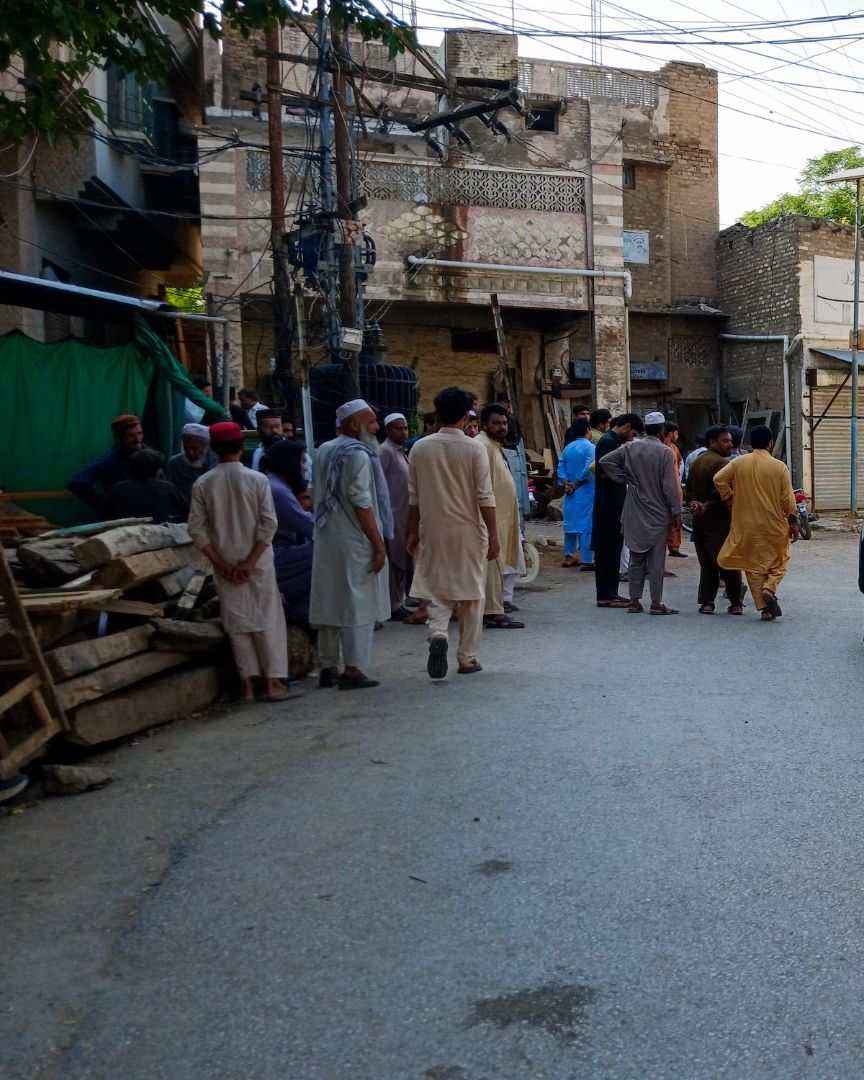
At least 16 people have been killed and 57 others injured after a suicide bomber drove an explosives-laden vehicle into a police compound in Kohat, Khyber Pakhtunkhwa province, northwestern Pakistan, during Friday prayers.
The attack occurred on Friday, September 18, 2026, at a mosque located within the police facility, where police officers, their families and other worshippers had gathered for prayers. The vehicle struck the compound's outer wall before a powerful explosion was followed by a gun battle between security forces and armed attackers.
The incident is the latest in a series of deadly attacks in Pakistan's northwestern border region, where militant violence has intensified in recent months.
Explosives-Laden Vehicle Strikes Police Facility
According to Khyber Pakhtunkhwa police chief Zulfiqar Hameed, the attacker drove a vehicle packed with explosives into the outer wall of the police compound.
The explosion occurred as people were gathered at the mosque for Friday prayers. The blast severely damaged the mosque and caused part of the police facility's boundary wall to collapse.
Police said the vehicle-borne suicide attack was followed by an attempt by armed men to enter the compound. A firefight subsequently broke out between the attackers and security forces.
Reuters reported that all seven attackers were killed in the explosion and subsequent gun battle.
Images and videos from the scene showed extensive damage, with debris scattered around the compound and emergency workers attempting to rescue people trapped or injured by the blast.
Five Police Officers Among the Dead
The casualties included five police officers and 11 civilians, according to rescue officials cited by the Associated Press.
Most of those injured were worshippers, with some reportedly in critical condition. The injured were transported to hospitals in Kohat as emergency services responded to the attack.
The presence of civilians and police families at the mosque meant the attack resulted in substantial casualties beyond the security personnel who appeared to be among its targets.
The death toll could potentially change as medical teams continue treating critically injured victims.
Attack Occurred During Friday Prayers
The bombing took place during Friday prayers, Islam's main weekly congregational prayer.
The timing meant that a significant number of people were gathered at the mosque when the explosives-laden vehicle struck.
Kohat is located in Khyber Pakhtunkhwa, a province bordering Afghanistan that has experienced repeated attacks by militant groups.
The mosque's proximity to the police compound also made the location particularly significant from a security perspective.
Al Jazeera reported that the attack struck a mosque located at a police headquarters, while police described the incident as a suicide bombing followed by an armed assault on the compound.
Armed Attackers Engaged Police
The bombing was followed by a gunfight between security forces and armed attackers.
According to Pakistani authorities cited by AP and Reuters, seven attackers attempted to penetrate the police facility, with six killed during the ensuing confrontation in addition to the suicide bomber.
Security forces subsequently launched a clearance operation around the compound.
The attack demonstrated the use of multiple tactics: a vehicle-borne explosive attack followed by an attempt to penetrate a security installation.
Authorities secured the area while emergency workers treated the wounded and searched through the damaged structures.
No Immediate Responsibility Claim
At the time of the initial reports, no militant group had immediately claimed responsibility for the attack.
The Pakistani Taliban, or Tehrik-e-Taliban Pakistan (TTP), was among the groups attracting attention because of its established presence in the region and its history of attacks against Pakistani security forces.
However, Reuters reported that the TTP publicly denied involvement in the Kohat attack.
Later reporting by Pakistan's Dawn newspaper said the Ittehadul Mujahideen, led by Hafiz Gul Bahadur, claimed responsibility. Authorities' investigations and competing reports will be important in establishing the attacker's identity and organisational affiliation.
For that reason, responsibility should be treated as a developing aspect of the investigation rather than an established fact.
Rising Militancy in Northwestern Pakistan
The Kohat bombing occurred amid a broader increase in militant violence across northwestern Pakistan.
Khyber Pakhtunkhwa, which shares a border with Afghanistan, has experienced repeated attacks targeting police, military personnel and civilians.
Reuters reported that militant activity in Pakistan's border areas has increased sharply in recent months, with security forces and police frequently targeted.
The attack came only a day after a roadside bomb struck a security forces convoy in the nearby Hangu district, killing six soldiers.
Pakistani security forces have also conducted operations against militants in the region. According to AP, authorities said troops killed 10 militants believed to be members of the TTP during raids conducted shortly before the mosque bombing.
The sequence of attacks and counterterrorism operations illustrates the continuing security challenges facing the region.
Pakistan-Afghanistan Tensions
The violence has also contributed to tensions between Pakistan and Afghanistan.
Islamabad has repeatedly accused militants of using safe havens in Afghanistan to plan and launch attacks against Pakistan.
Afghanistan's Taliban authorities have rejected those accusations and have argued that militancy inside Pakistan is an internal issue.
The dispute has complicated relations between the neighbouring countries and added a regional dimension to Pakistan's domestic security challenges.
The latest Kohat bombing comes as efforts continue to address tensions between Islamabad and Kabul through diplomatic engagement involving countries including Qatar, Turkey and China.
Pakistani Leaders Condemn the Attack
Pakistan's political leadership condemned the bombing.
Prime Minister Shehbaz Sharif expressed sorrow over the deaths and directed authorities to accelerate rescue operations and ensure medical treatment for those injured.
The Interior Ministry also condemned the attack and said such violence would not weaken the country's determination to confront militant groups.
Khyber Pakhtunkhwa officials similarly expressed condolences to the families of those killed and called for assistance to the injured.
Investigation and Security Operation Continue
Security agencies are expected to investigate how the explosives-laden vehicle reached the police facility and identify the individuals and organisation responsible.
Investigators will also examine the sequence of events surrounding the explosion and subsequent gunfight.
With at least 16 people dead and 57 injured, the Kohat bombing ranks among the latest serious attacks to hit Pakistan's northwestern region.
The fact that the explosion occurred during Friday prayers, when police officers, their families and civilians were gathered, significantly increased the number of people exposed to the attack.
As authorities complete their investigation and security operations, attention will remain focused on identifying those behind the bombing, determining their motives and preventing further attacks.
The incident has once again highlighted the continuing security challenges facing Khyber Pakhtunkhwa and Pakistan's border areas, where militant violence remains a serious threat to both security personnel and civilians.