Pakistan Coal Mine Blast Kills 34 Workers as Methane Explosion Sparks Safety Concerns
At least 34 coal miners have died after a methane gas explosion ripped through a coal mine in Pakistan's Balochistan province. Rescue teams recovered victims as authorities launched an investigation into one of the country's deadliest mining disasters in recent years.
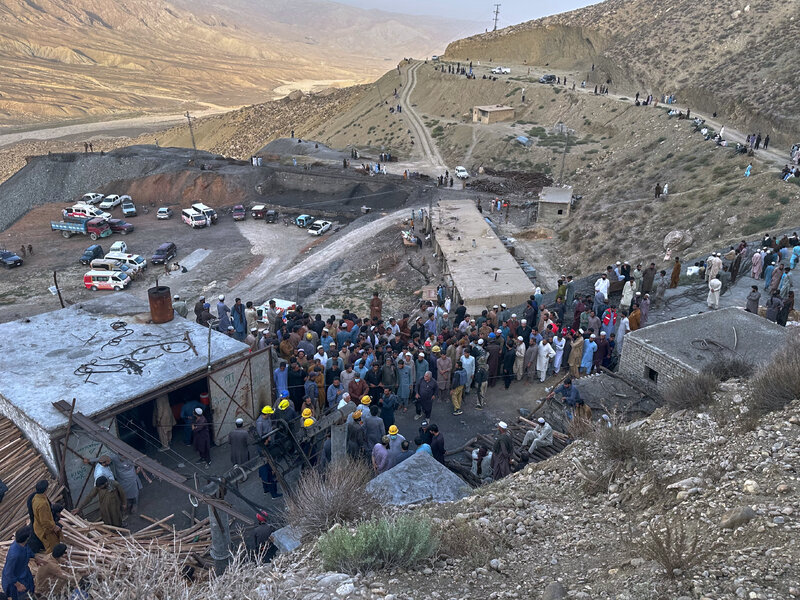
A devastating methane gas explosion at a coal mine in Pakistan's southwestern Balochistan province has claimed the lives of at least 34 miners, renewing concerns about poor safety standards in one of the world's most hazardous mining industries.
The explosion occurred on Thursday at a coal mining complex in Sorange, about 30 kilometres northeast of Quetta, the provincial capital. Rescue operations continued overnight before authorities confirmed on Friday that 34 workers had died, with teams searching for any remaining trapped miners. (reuters.com)
The tragedy is among the deadliest mining accidents to hit Pakistan in recent years. It has prompted calls for stricter enforcement of mine safety regulations across the country's coal-producing regions.
Methane Gas Triggered the Blast
Officials said preliminary investigations indicate that the explosion was caused by a dangerous buildup of methane gas, which ignited deep underground and triggered a partial collapse of the mining complex.
According to rescue authorities, the blast struck two closely connected sections of the mine while dozens of workers were underground extracting coal.
Emergency crews, assisted by local volunteers and mine workers, battled hazardous conditions including toxic gases and unstable tunnels to recover victims from depths estimated at around 4,000 feet (1,219 metres).
Authorities said 36 miners were believed to have been working in the affected section when the explosion occurred.
Difficult Rescue Operation
Rescue efforts continued throughout the night under extremely dangerous conditions.
Emergency teams had to contend with lingering methane gas, poor visibility, and the risk of additional tunnel collapses while searching for survivors.
Officials from the Provincial Disaster Management Authority (PDMA) confirmed that all 34 recovered miners had died from injuries sustained in the explosion or from being trapped beneath collapsed debris.
The search continued for two workers who were initially believed to be missing, although officials acknowledged that hopes of finding survivors had diminished as oxygen levels underground dropped sharply.
Government Announces Compensation
Balochistan's Minister for Mines and Minerals, Shoaib Nosherwani, expressed condolences to the bereaved families and announced financial assistance for the victims' relatives.
The provincial government said each affected family would receive 500,000 Pakistani rupees (approximately US$1,800) in compensation.
Nosherwani also pledged a full investigation into the incident and promised that mine safety procedures would be reviewed to determine whether negligence contributed to the disaster. (AP News)
Safety Failures Under Scrutiny
The tragedy has once again drawn attention to long-standing concerns about working conditions in Pakistan's coal mines.
Labour unions and mining experts argue that many mines, particularly in Balochistan, operate with inadequate ventilation systems, insufficient gas-monitoring equipment and limited emergency preparedness.
The Pakistan Central Mines Labour Federation blamed poor enforcement of safety regulations and called for those responsible for any violations to be held accountable.
Union representatives urged authorities to strengthen inspections and require mine operators to comply fully with national safety standards before allowing production to continue.
A Dangerous Industry
Coal mining remains one of Pakistan's most dangerous occupations.
Balochistan, the country's largest province by land area, contains substantial coal reserves and employs thousands of miners despite difficult working conditions and relatively low wages.
Many workers depend on mining as their primary source of income, even though accidents involving methane explosions, tunnel collapses, and toxic gases occur with alarming frequency.
Experts say limited investment in modern mining technology and inconsistent regulatory enforcement continue to expose workers to unnecessary risks. (Wikipedia)
Previous Mining Disasters
Pakistan has experienced several major mining accidents over the past two decades.
Fatal incidents involving methane explosions and tunnel collapses have repeatedly occurred in Balochistan, highlighting persistent weaknesses in my safety management.
Despite previous government inquiries and promises of reform, labour organisations say implementation has often been slow, leaving many miners vulnerable to preventable accidents.
The latest explosion is expected to renew pressure on authorities to modernise mining operations and strengthen oversight of private mine operators.
Families Mourn Victims
Scenes of grief unfolded outside hospitals and rescue centres as relatives gathered to identify recovered bodies.
Many families waited anxiously through the night for updates while rescue teams continued working underground.
Community leaders described the tragedy as heartbreaking, noting that many of the victims were the primary breadwinners for their households.
The compensation announced by provincial authorities may provide temporary financial relief, but labour advocates argue that preventing future disasters must become the government's highest priority.
International Concern
The explosion has drawn international attention to safety conditions in Pakistan's mining sector.
Mining experts note that methane gas remains one of the greatest hazards in underground coal operations worldwide, requiring continuous monitoring, effective ventilation and strict adherence to safety procedures.
Countries with modern mining industries have significantly reduced fatalities through improved technology, rigorous inspections and comprehensive worker training.
Analysts say Pakistan could substantially improve mine safety by investing in advanced detection systems, emergency response capabilities and stronger enforcement of occupational safety laws.
Investigation Underway
Authorities have launched an official investigation to determine the exact cause of the explosion and whether any safety violations contributed to the disaster.
Investigators are expected to examine ventilation systems, gas-monitoring equipment, emergency preparedness and compliance with mining regulations.
Officials have pledged to release their findings once the inquiry is completed.
For the families of the 34 miners who lost their lives, however, the investigation comes too late.
The tragedy has once again underscored the dangers faced daily by thousands of coal miners across Pakistan and highlighted the urgent need for reforms that place worker safety above production targets.
As rescue operations conclude and the country mourns another devastating mining disaster, pressure is mounting on authorities to ensure that meaningful improvements are implemented before another preventable tragedy occurs.