Pakistan Airstrikes Kill Dozens in Afghanistan, Escalating Cross-Border Tensions
Dozens of people have reportedly been killed after Pakistani airstrikes targeted locations inside Afghanistan, deepening tensions between Islamabad and the Taliban-led government amid growing regional security concerns.
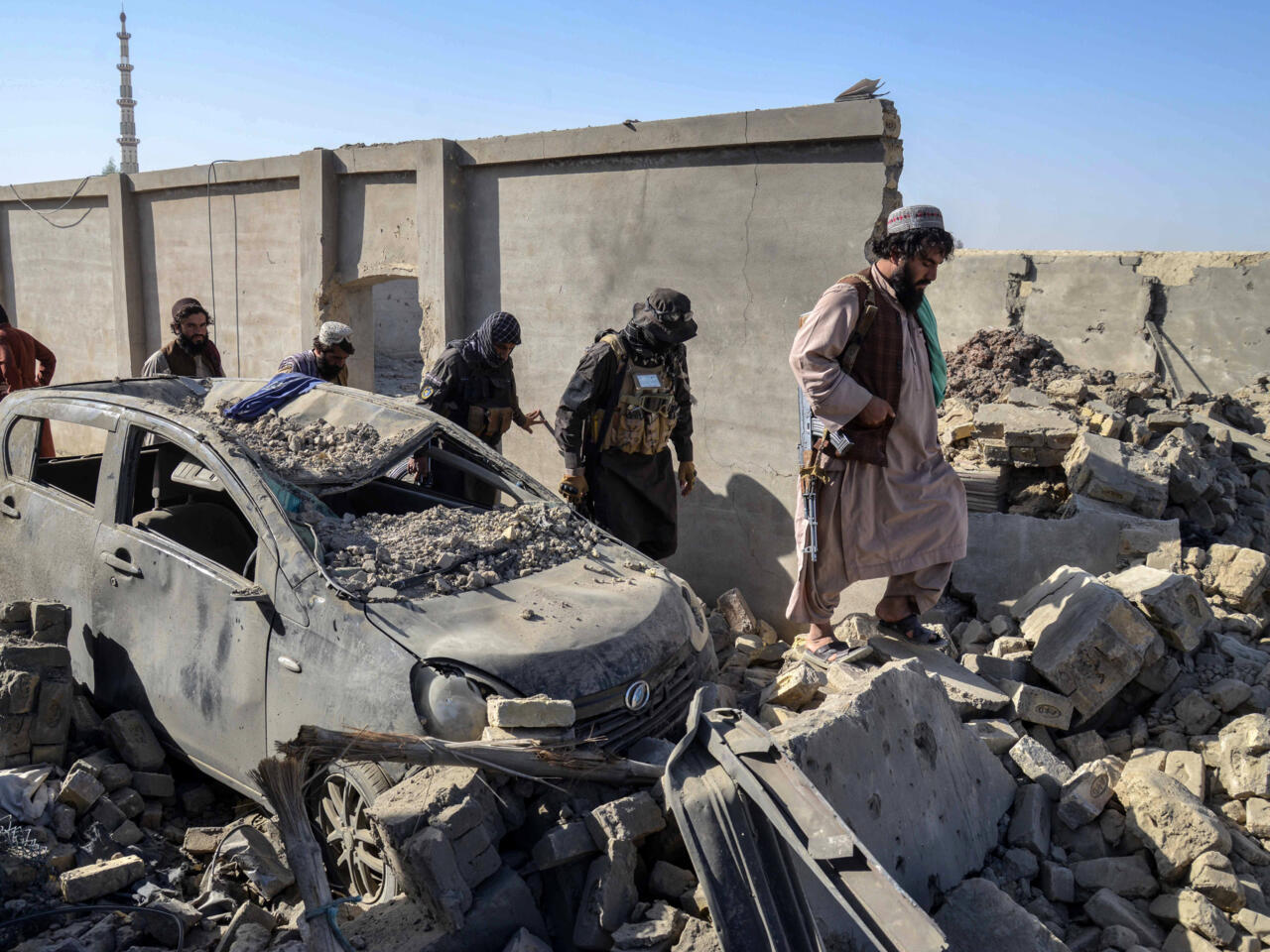
A new wave of Pakistani airstrikes inside Afghanistan has reportedly killed dozens of people, triggering sharp condemnation from the Taliban-led government in Kabul and raising fears of a further deterioration in relations between the neighboring countries.
The strikes, which targeted areas near the volatile Pakistan-Afghanistan border, come amid growing accusations by Islamabad that militant groups are using Afghan territory as a base to launch attacks against Pakistani security forces. Afghan authorities, however, have condemned the operation as a violation of their sovereignty and warned that such military actions could further destabilize an already fragile region.
According to Afghan officials, the strikes hit multiple locations in border provinces believed to house civilian communities as well as suspected militant hideouts. Preliminary casualty figures indicate that dozens of people were killed, although authorities are still working to verify the exact number of victims due to the remoteness of the affected areas.
Emergency responders and local residents spent hours searching through damaged buildings in an effort to rescue survivors trapped beneath debris. Witnesses described scenes of destruction, with homes flattened and families displaced following the bombardment.
Several injured victims were transported to nearby medical facilities, while humanitarian organizations expressed concern over the impact of renewed hostilities on vulnerable communities already struggling with poverty, displacement and limited access to healthcare.
The Taliban administration strongly criticized the strikes, describing them as an unacceptable breach of Afghanistan's territorial integrity. Government officials urged Pakistan to resolve security disputes through diplomatic engagement rather than military action.
In a statement released after the attack, Afghan authorities said the airstrikes had resulted in civilian casualties and called on the international community to pay close attention to developments along the shared border.
Pakistan has maintained that it reserves the right to act against armed groups responsible for attacks on its territory. Officials in Islamabad have repeatedly accused militants belonging to the Tehrik-i-Taliban Pakistan (TTP) of operating from sanctuaries inside Afghanistan, an allegation the Taliban government has consistently denied.
Pakistani security officials argue that cross-border militant attacks have increased significantly in recent years, leading to rising casualties among soldiers and civilians in Pakistan's northwestern provinces.
The latest operation is widely viewed as part of Pakistan's broader strategy to disrupt militant infrastructure that authorities believe threatens national security.
Security analysts note that relations between Islamabad and Kabul have steadily deteriorated since the Taliban returned to power in Afghanistan in 2021. Despite initially maintaining diplomatic engagement, both governments have exchanged accusations over border security, terrorism and the movement of armed groups across the mountainous frontier.
The nearly 2,600-kilometre border separating Pakistan and Afghanistan has long remained one of the most volatile regions in South Asia, with frequent clashes involving security forces, insurgent groups and local tribes.
International observers warn that continued military confrontations risk undermining regional stability at a time when both countries face significant economic and humanitarian challenges.
Human rights organizations have called for an independent investigation into the reported civilian casualties. They stressed that all parties involved in armed conflict are obligated under international humanitarian law to distinguish between military objectives and civilian populations.
Aid agencies also expressed concern that escalating violence could trigger fresh waves of displacement, placing additional pressure on already overstretched humanitarian operations across Afghanistan.
The United Nations has repeatedly urged neighboring countries to exercise restraint and prioritize dialogue in addressing cross-border security concerns. International officials have warned that prolonged instability could worsen the humanitarian crisis affecting millions of Afghans.
Diplomatic observers believe the latest incident could complicate ongoing efforts to improve cooperation between the two countries on border management, refugee issues and counterterrorism initiatives.
Meanwhile, residents living near the affected areas described growing fear as military aircraft reportedly flew over villages before explosions were heard.
"We have experienced conflict for many years, but every new attack brings more suffering for ordinary families," one local resident told regional media.
Security experts caution that retaliatory measures or further cross-border military operations could increase the risk of wider regional instability if diplomatic channels fail to ease tensions.
Pakistan's military has not released comprehensive operational details but reiterated its commitment to protecting the country's territorial integrity and preventing armed groups from using neighboring territory to organize attacks.
The Afghan government, however, insists that allegations of harboring foreign militants are unfounded and has urged Pakistan to present evidence through established diplomatic mechanisms rather than resorting to military force.
As investigations continue and casualty figures are updated, international attention remains focused on the deteriorating security situation along one of Asia's most sensitive borders.
The latest violence underscores the persistent challenges confronting both governments as they attempt to balance national security priorities with the need to protect civilian lives and maintain regional peace.
Analysts say meaningful dialogue, intelligence sharing and strengthened border cooperation remain essential if both countries hope to prevent future confrontations and reduce the growing cycle of violence that continues to affect communities on both sides of the frontier.