Oscars 2026: Major Fallouts and Controversies
The 2026 Academy Awards produced historic wins, surprising snubs, controversies, and industry debates. Here are the major fallouts from the 98th Oscars and what they reveal about Hollywood’s future.
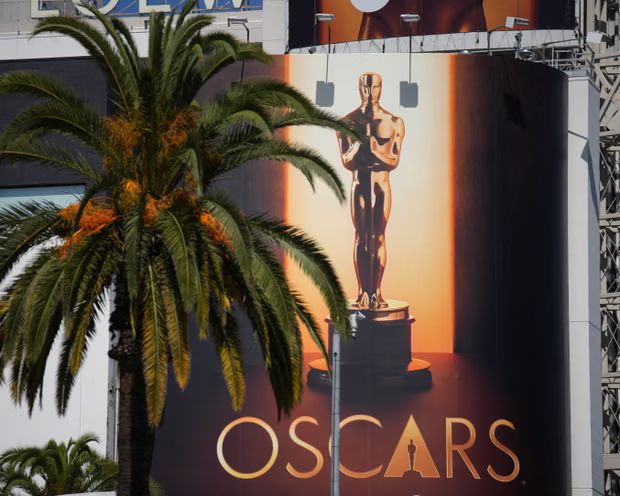
The 98th Academy Awards, held on March 15, 2026, at the Dolby Theatre in Hollywood, delivered both historic achievements and intense debates across the global film industry. Hosted by comedian Conan O’Brien, the ceremony honored the best films of 2025 but quickly became a talking point due to surprising winners, controversial moments, and broader industry implications. 98th Academy Awards
The night’s biggest winner was the political thriller One Battle After Another, which won Best Picture and a total of six Oscars, while the highly nominated Sinners won four awards, including Best Actor for Michael B. Jordan. (Reuters)
However, beyond the trophies and red-carpet glamour, several issues dominated global headlines. From controversial snubs to awkward ceremony decisions and industry tensions, the 2026 Oscars created significant fallout across Hollywood.
1. Best Picture Result Sparks Debate
The biggest talking point was the Best Picture victory of One Battle After Another.
The film, directed by Paul Thomas Anderson, defeated several highly anticipated contenders, including Sinners, which had entered the ceremony with a record 16 nominations.
While many critics praised Anderson’s film as a bold political thriller, others argued that Sinners - a supernatural story rooted in Black American culture and blues history - had a stronger cultural impact.
The outcome revived an old debate in Hollywood: whether the Academy still favors traditional auteur cinema over culturally groundbreaking films.
Some analysts also noted that awards-season campaigns and industry relationships often influence voting patterns.
2. Nomination Snubs Trigger Industry Backlash
Another major fallout from the 2026 Oscars came from high-profile nomination snubs.
Critics and fans expressed surprise that actors such as Paul Mescal and Emily Blunt were absent from the final nominee list despite strong performances during the awards season. (RTL Today)
Their omission sparked heated discussions online and in entertainment media, with many commentators arguing that the Academy continues to overlook certain performances.
Such snubs have become a recurring controversy at the Oscars, often fueling claims that awards voting remains subjective and influences industry politics.
3. Rare Oscar Tie Creates Unusual Moment
One of the most unusual moments of the ceremony occurred when the Best Live-Action Short Film category ended in a tie.
Two films-The Singers and Two People Exchanging Saliva-shared the award, marking one of the rare ties in Oscar history. (The Daily Beast)
The unexpected outcome surprised both the audience and presenters, highlighting how unpredictable the Academy’s voting process can be.
Although times have happened before, they remain extremely rare in Oscar history.
4. Acceptance Speech Controversy
Another incident that triggered criticism involved the acceptance speech for Best Original Song.
The creators of the song “Golden” from the animated film KPop Demon Hunters reportedly had their speech cut short during the broadcast, prompting backlash online. (India Today)
Many viewers criticized the Academy for limiting the winners’ speaking time, especially given the historic nature of the win for Asian and K-pop artists.
The episode reignited long-standing debates about how the Oscars manage broadcast time and which voices receive space on the stage.
5. Cultural Controversies Spill into the Ceremony
Outside the awards themselves, broader cultural controversies also shaped the Oscars conversation.
Actor Timothée Chalamet faced backlash prior to the ceremony over comments suggesting that “no one cares” about ballet or opera, remarks that sparked criticism from artists and performers. (People.com)
During the ceremony, host Conan O’Brien referenced the controversy in a joke, drawing mixed reactions from audiences.
The incident demonstrated how social media controversies increasingly intersect with major cultural events like the Oscars.
6. Industry Concerns Over Hollywood’s Future
Beyond the ceremony itself, the 2026 Oscars unfolded against a backdrop of deep uncertainty in the film industry.
Hollywood is currently facing several structural challenges, including: streaming platform competition, corporate mergers and acquisitions, and concerns about outsourcing film production overseas.
During the awards season, some analysts noted that major studios are increasingly consolidating their operations.
This has raised concerns among filmmakers and industry workers about the future of creative independence in Hollywood.
7. Historic Wins Highlight Diversity Progress
Despite the controversies, the 2026 Oscars also delivered several historic moments.
For example, cinematographer Autumn Durald Arkapaw became the first Black woman to win the Academy Award for Best Cinematography, a milestone celebrated across the film industry.
Meanwhile, Michael B. Jordan’s Best Actor win was widely praised, with the actor using his acceptance speech to honor Black performers who paved the way before him. (EW.com)
These moments highlighted ongoing efforts within the Academy to promote diversity and inclusion.
8. Studio Power Dynamics Shift
Another major fallout from the ceremony was the dominance of Warner Bros., which reportedly secured 11 Oscars during the night, tying records for studio wins in a single ceremony.
Such dominance reflects the continuing influence of major studios in shaping awards outcomes.
However, it also raises questions about whether independent filmmakers can compete effectively against large production houses with massive promotional budgets.
What the 2026 Oscars Reveal About Hollywood
The controversies and debates surrounding the 2026 Academy Awards reveal several broader trends within the global film industry:
First, the Oscars remain a powerful cultural platform capable of shaping careers and industry narratives.
Second, debates about diversity, artistic recognition, and industry politics continue to influence how audiences perceive the awards.
Third, the growing role of social media means that controversies surrounding films and actors can quickly overshadow the ceremony itself.
Conclusion
The 2026 Oscars delivered memorable victories, historic achievements, and unexpected controversies that sparked global debate.
From surprising winners and nomination snubs to speech controversies and cultural backlash, the ceremony demonstrated once again that the Academy Awards remain one of the most closely scrutinized events in global entertainment.
While the night celebrated the achievements of filmmakers and performers, it also highlighted the evolving challenges facing Hollywood - an industry navigating artistic ambition, cultural expectations, and rapid technological change.