“Oreshnik and Escalation: Russia’s Hypersonic Strike and the Future of the Ukraine War”
Russia’s use of the Oreshnik missile near NATO/EU borders changes the strategic landscape, intensifies conflict, and tests global security responses.
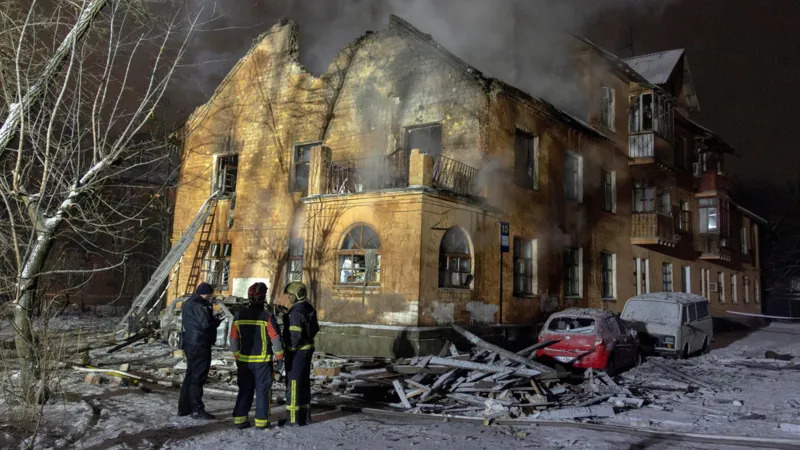
On the night of January 8–9, 2026, Russia executed one of its most significant and alarming military operations since its 2022 invasion of Ukraine—a massive overnight barrage of missiles, drones, and critically, the Oreshnik hypersonic/intermediate-range ballistic missile allegedly used against western Ukraine near Lviv. The barrage killed civilians, damaged critical infrastructure, and thrust the conflict into a new phase that has far-reaching implications for both the conduct of the war and international security dynamics. (AP News)
The attack included 36 ballistic missiles, 242 drones, and at least one Oreshnik missile which reportedly the second confirmed use of this advanced weapon in the full-scale war. According to Ukrainian officials, explosions echoed across Lviv and Kyiv, with civilian buildings, energy infrastructure and even the Qatari Embassy among those struck.
While Russia asserts the strike was retaliatory, claiming Ukraine attempted a drone attack on President Vladimir Putin’s residence (a claim denied by Ukraine and U.S. President Donald Trump) the broader strategic message sent by Moscow through this strike may extend beyond either allegation. (Reuters)
The Oreshnik which sometimes referred to in open sources as Kedr or Rubezh is a medium-range hypersonic weapon system capable of traveling speeds up to Mach 10 (around 13,000 km/h) and potentially carrying multiple independently targetable submunitions or even nuclear payloads. (KBIA)
Russia first deployed the missile in a strike on Dnipro in November 2024 as an apparent demonstration of capability. In that instance, Ukraine and external experts suggested the weapon likely carried dummy warheads or was used in a limited test capacity.
The confirmed or probable use near Lviv only about 70 km from the EU border—signals a dramatic shift. Ukraine’s foreign minister, Andrii Sybiha, called the strike a “grave threat to European security” and warned it tests the resolve of NATO and EU partners. (Pravda)
Why the Timing Matters: Context in Early 2026
The Oreshnik strike occurred against a backdrop of renewed hostilities, stalled peace talks, and diplomatic tension. Ukraine had been advancing discussions with European partners on future security guarantees, including potential peacekeeping frameworks—plans Moscow has consistently rejected. The timing of the strike, then, cannot be divorced from larger political and military narratives on both sides. (The Washington Post)
For Kyiv, which has endured repeated waves of Russian missile and drone assaults on energy infrastructure, this event was both familiar and unprecedented. In Kyiv alone, residential buildings were damaged, electricity and heating disrupted amid freezing winter temperatures, and at least four civilians were killed.
By employing a missile system that Western analysts label difficult to intercept, Russia is asserting not only battlefield dominance but also technological leverage raising the war’s stakes for Ukraine and its Western backers alike.
Strategic and Military Implications
1. Weapons Capabilities and Battlefield Dynamics
The Oreshnik’s deployment suggests Russia is willing to expand the technical envelope of its arsenal, embracing hypersonic and intermediate-range systems. While its destructive efficacy with conventional warheads remains debated, its symbolic and strategic impact is undeniable. The missile’s velocity and range complicate air defense and place infrastructure deep inside Ukraine, and close to NATO borders, at risk.
Military analysts argue that even if warheads are inert or limited, the psychological and tactical implications are significant: the weapon’s speed compresses decision time, and its use near Europe signals Russian resolve to tie regional security discourse directly into the Ukraine conflict.
2. Civilian Harm and Humanitarian Strain
The use of advanced ballistic and hypersonic weapons against regions like Lviv and the capital Kyiv intensifies the humanitarian burden. After years of intermittent missile strikes on civilian infrastructure including electricity grids and water systems this augmented assault further erodes normal life. Disruptions in energy during winter increase risk of exposure, illness and economic stagnation, compounding the social toll of prolonged conflict. (The Times of India)
3. Test of Air Defense and Deterrence
Ukraine’s air defenses reportedly downed many drones and missiles during the assault, but the Oreshnik itself was not intercepted. This gap underscores enduring vulnerabilities in defensive systems and highlights the need for enhanced Western support—both technical and strategic if Ukraine is to protect its cities and infrastructure effectively.
For Russia, the ability to launch such weapons with impunity may be intended to erode Ukrainian morale and signal to international actors that Moscow cannot be contained by existing defensive measures alone.
Political and Geopolitical Consequences
A. NATO and EU Security Concerns
The proximity of this strike to NATO and EU borders elevates the conflict’s geopolitical risk. Ukraine has called for emergency meetings of the United Nations Security Council and the Ukraine NATO Council, urging allies to boost pressure on Russia and consider broader security plays.
European capitals interpret such weapon use as tests of collective defense postures, particularly given concerns that similar systems could threaten member states in future contingencies.
B. Diplomatic Repercussions and Peace Negotiations
Western skepticism toward Russia’s justification for the attack. Moscow’s claim of retaliation for an alleged Ukrainian drone incident that both Ukraine and U.S. leadership deny—illustrates the widening gap between Moscow’s narratives and international scrutiny.
This mistrust complicates diplomatic engagement and reinforces divisions among potential peace guarantors. Instead of lowering the temperature, these events appear to harden stances and widen strategic divides.
C. Signalling to the Global Community
Russia’s use of a hypersonic missile conveys not just force but political messaging: the Kremlin is demonstrating capability to escalate when it perceives strategic disadvantage. Some analysts view this as a sign of Russian leadership insecurity rather than confidence suggesting that high-tech systems are being deployed to project power theatrically as much as tactically. (mickryan.substack.com)
For Ukraine and its backers, this underscores the need for sustained military and diplomatic partnership, lest the threat horizon expand further across Europe.
Broader Impacts on the Future of the Conflict
1. Escalatory Momentum
The Oreshnik’s deployment raises fears of a tit-for-tat arms spiral. If both sides adopt increasingly advanced weaponry without corresponding diplomatic channels, the conflict could devolve further into a technologically intense war of attrition with fewer avenues for negotiated settlement.
2. Civilian Morale and National Resilience
For Ukrainians living through repeated bombardments, the emotional and psychological impacts are acute. Leaders in Kyiv must balance reassurances with rallying national defense and economic stability, while also engaging international audiences for continued assistance.
3. International Security Architecture Strain
This strike tests not only Ukraine’s defenses but the wider transatlantic security architecture. Allies face internal debates over force posture, aid levels, and whether to treat Russia’s actions as a broader challenge to European order.
Conclusion: A Conflict in a Crucial Phase
The reported use of the Oreshnik missile in Russia’s January 9 assault marks a turning point in the Ukraine war, not merely for its destructive potential but for its wider strategic signal. It is a stark reminder that, even four years after Russia’s full-scale invasion, the conflict continues to evolve technologically and politically, with implications that reverberate beyond Ukraine’s cities and into the core of European security.
As the world watches, the choices made in response to this escalation, strengthening defenses, deepening alliances, or accelerating diplomacy will shape the trajectory of this war and the stability of the region for years to come.