Opposition Leaders Raise Alarm Over Threat to Nigeria’s Multi-Party Democracy
Opposition leaders accuse Tinubu govt of weaponising EFCC to weaken Nigeria’s multiparty democracy, demand independent audit of public accounts and reform.
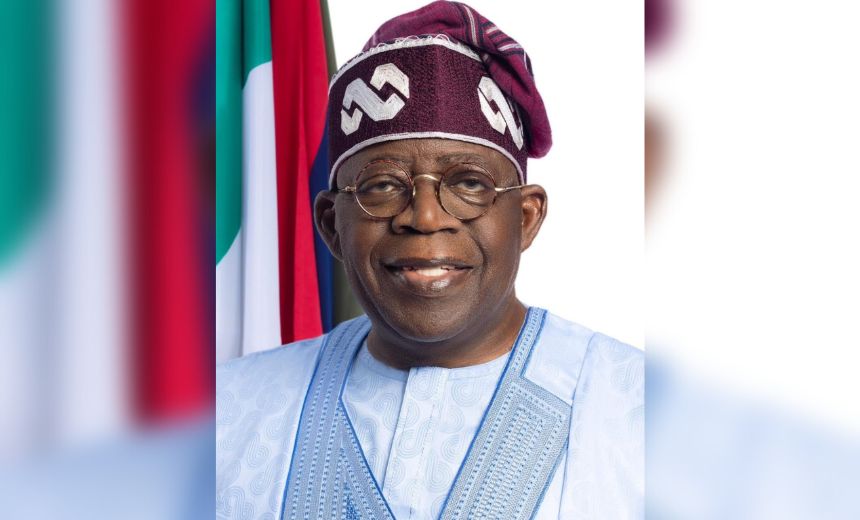
A coalition of Nigeria’s most senior opposition figures has issued a stark warning that the nation’s multi-party democracy is under threat, accusing President Bola Ahmed Tinubu’s administration of systematically deploying state institutions to weaken political opponents ahead of the crucial 2027 general election.
In a joint statement released this week titled “Anti-Corruption, Not Anti-Opposition,” former Vice President Atiku Abubakar, former Senate President David Mark, former presidential candidate Peter Obi, and other veteran political leaders alleged that agencies such as the Economic and Financial Crimes Commission (EFCC), the Nigeria Police Force, and the Independent Corrupt Practices and Other Related Offences Commission (ICPC) have increasingly been used as tools of political intimidation rather than impartial law enforcement.
The statement, signed in Abuja, expressed grave concern that these institutions are perceived by many Nigerians as instruments of selective justice designed to systematically suppress opposition voices and consolidate the ruling All Progressives Congress (APC)’s grip on power.
Accusations of Political Persecution and One-Party Drift
According to the opposition leaders, what they describe as a growing “undemocratic agenda” involves applying legal and investigative mechanisms not for genuine anti-corruption purposes but to coerce opposition governors and key political figures into defecting to the APC.
“State power is being deployed not for prevention of economic crimes, but for systematic persecution of perceived political adversaries, with the ultimate aim of weakening opposition voices ahead of the 2027 general election,” the statement reads.
There has been widespread public attention on recent defections of high-profile governors from opposition parties into the APC. The opposition leaders say these moves, rather than being voluntary, are driven by intense political pressure.
Senior figures also warned that Nigeria is dangerously close to evolving into a de facto one-party system, eroding the very foundation of the country’s democratic architecture - competition, accountability, and pluralism. (Vanguard News)
Selective Enforcement and Erosion of Public Trust
The opposition’s statement highlighted several cases where allegations of corruption against members of the ruling elite appear to have been ignored or sidelined, even when they prompted public outcry. Meanwhile, investigations and media trials against opposition figures proceed with apparent vigor.
One cited remark, attributed to a former APC national chairman: “Once you have joined APC, all your sins are forgiven”- has been invoked by critics as symbolic of perceived double standards in enforcement.
Opposition figures argue that such selective prosecution undermines the legitimacy of anti-corruption efforts and erodes public trust in institutions meant to be impartial safeguards of justice.
Concrete Demands for Reforms and Checks
In response to what they describe as growing politicization of anti-graft agencies, the opposition bloc put forward a series of policy prescriptions and institutional reforms:
Depoliticize the EFCC: Shield the commission from political interference and restore its statutory mandate focused on impartial investigation and prosecution.
Embed Anti-Corruption Operatives in Government Systems: Embed operatives within government payment and expenditure systems at all levels to prevent financial crimes, not just punish them afterward.
Establish an Independent Review Body: Create an independent body, led by an eminent judge and including representatives from professional and civil society organizations, to audit public accounts of the federal government, all states, and local governments from 2015 to 2025, with full transparency and published findings.
Amend the EFCC Act: Broaden the commission’s mandate to strengthen preventive monitoring of financial transactions and hold anti-graft operatives accountable for unreported infractions.
These recommendations are intended to restore public confidence in Nigeria’s anti-corruption architecture while ensuring its operations cannot be perceived as politically motivated.
Government Response and Broader Debate
In response to the opposition’s accusations, the Presidency has rejected claims of politicization, dismissing them as “baseless distractions” from national policy priorities. Government spokespeople argue that anti-corruption agencies operate within legal frameworks without partisan intent, and that democratic institutions remain robust.
Analysts note that debate over the use of powerful enforcement agencies in politically charged environments is not unique to Nigeria. However, the intensity and timing of the current allegations - on the eve of another election cycle - have intensified public scrutiny and domestic political tensions. (Africanews)
Implications for Democracy in Nigeria and Africa
The opposition’s alarm has significant implications for Nigeria’s democratic trajectory and for democratic norms across Africa:
1. Democratic Pluralism at Stake:
A vibrant democracy requires meaningful political competition and active opposition. If state institutions are widely perceived as tools for weakening opposition, public trust in democratic processes may decline, discouraging civic engagement and voter participation.
2. Precedent for Other African Democracies:
Nigeria is Africa’s most populous country and its democratic model has often been held up as a benchmark. Perceptions of democratic erosion - especially the use of state power to sideline opposition - can embolden similar tactics in other countries, undermining regional democratic norms.
3. Impact on International Confidence:
Global partners and investors often assess governance quality and institutional independence before committing support. Perceptions of politicized law enforcement may affect foreign relations, investment flows, and aid partnerships.
4. Legal and Institutional Reform Momentum:
The opposition’s call for structural reforms, especially in auditing and monitoring public finances, could trigger broader discussions about strengthening independent oversight - potentially shaping future legislative and constitutional changes.
Conclusion
As Nigeria approaches its next election cycle, the debate over the role of anti-corruption agencies, institutional independence, and political competition strikes at the heart of the country’s democratic legitimacy. Whether through dialogue, legal reform, or civic engagement, the outcome of this debate will influence not only Nigeria’s political landscape but also broader democratic aspirations across the African continent.