One Killed, 11 Injured as Houthis Strike Riyadh Airport for Second Consecutive Day
A second Houthi strike on Riyadh's King Khalid International Airport killed one Pakistani resident and injured 11 people on October 11, 2026, escalating tensions between Saudi Arabia and Yemen's Iran-aligned rebels.
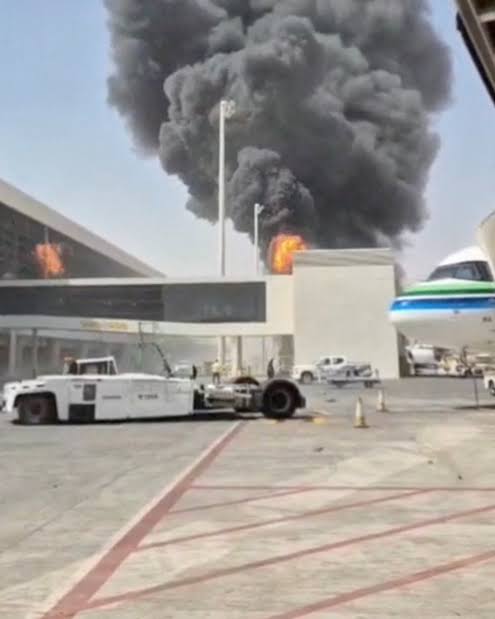
Saudi Arabia is facing growing security concerns after a second attack on Riyadh's King Khalid International Airport in two days killed one person and injured 11 others, intensifying fears that the escalating conflict with Yemen's Houthi rebels could develop into a wider regional confrontation.
The latest strike occurred on Sunday, October 11, 2026, when a projectile hit the airport's domestic passenger terminal complex, according to Saudi authorities. The country's General Authority of Civil Aviation identified the deceased as a Pakistani resident, while the injured were taken to several hospitals for treatment.
The incident followed a deadly attack on Saturday that killed at least 12 people and injured more than 300, according to the Saudi-led coalition fighting the Houthis. The repeated strikes have raised questions about airport security, the effectiveness of Saudi Arabia's air defences and the growing risks to civilian infrastructure across the Gulf.
The Associated Press report on the second airport attack said the Houthis claimed responsibility for both attacks, alongside other strikes targeting Saudi facilities.
Second Strike Deepens Saudi Arabia's Security Crisis
The latest attack struck the same airport complex that had been hit the previous day, despite the suspension of airport operations following Saturday's deadly incident.
According to Saudi authorities, the projectile hit the passenger terminal, triggering a fire and prompting renewed emergency measures. Security officials began assessing the damage and reviewing safety arrangements as concerns mounted over the possibility of further attacks.
The repeated targeting of King Khalid International Airport is particularly significant because it serves as a major gateway to the Saudi capital, handling domestic and international passenger traffic.
Airports are critical civilian facilities, connecting communities, supporting commerce and enabling international travel. Attacks against them can cause casualties, disrupt transport networks and undermine confidence in a country's security arrangements.
The latest strike also came amid reports of attacks or attempted attacks involving other Saudi facilities, including King Fahd International Airport in Dammam and installations belonging to state-owned oil giant Saudi Aramco.
These developments suggest that the confrontation is extending beyond isolated military targets to infrastructure with broader economic and civilian significance.
Why Are the Houthis Targeting Saudi Arabia?
The attacks are linked to the intensifying conflict between Yemen's Iran-aligned Houthi movement and Saudi Arabia, which has long supported Yemen's internationally recognised government.
The Houthis control substantial territory in northern Yemen, including the capital, Sanaa. Their conflict with the Saudi-backed government has involved years of fighting, cross-border attacks and international diplomatic efforts to secure a lasting settlement.
The latest escalation followed renewed Saudi military operations against Houthi positions and advances by forces opposed to the movement.
Houthi military spokesperson Yahya Saree claimed responsibility for Saturday's attack and announced additional strikes targeting Saudi facilities. The group has warned that further attacks could follow unless Riyadh halts its military campaign and interference in Yemen.
The threats indicate that the airport attacks are intended, at least in part, to increase the costs of Saudi military involvement and pressure the kingdom to reconsider its approach to the conflict.
However, striking civilian infrastructure also risks increasing international condemnation and provoking a stronger military response.
Al Jazeera's report on the October 12 attack provides further details about the casualties and the wider escalation.
Saturday's Deadly Attack Raised the Stakes
The second strike followed an attack on Saturday, October 10, that caused far greater casualties and forced authorities to suspend airport operations.
The Saudi-led coalition initially reported that 12 people were killed and more than 300 injured. Victims included Saudi citizens and foreign nationals, reflecting the international character of the airport and the wider population living and working in the kingdom.
The scale of the casualties made the attack one of the most serious incidents affecting Saudi Arabia during the current escalation.
The subsequent strike demonstrated that the security threat had not been eliminated, even after operations were suspended and emergency assessments began.
The repeated incidents are likely to intensify pressure on Saudi authorities to strengthen airport protection, review emergency procedures and improve the interception of incoming missiles or other projectiles.
US Considers Possible Military Intervention
The attacks have also raised the possibility of deeper American involvement in the conflict.
US President Donald Trump said Washington was considering whether to join Saudi military operations against the Houthis, following the latest attacks on the kingdom's airport infrastructure.
Any American intervention could significantly alter the conflict's scale, given the United States' military capabilities and its strategic interests in the Gulf and Red Sea.
Washington has condemned attacks on civilian infrastructure and expressed support for Saudi Arabia. However, a direct military campaign could expose American forces to retaliatory attacks and increase the risk of a broader confrontation involving regional powers.
Meanwhile, Iran has offered to help facilitate dialogue between Saudi Arabia and Yemen, creating a potential diplomatic channel even as military tensions rise.
The extent to which these diplomatic efforts can prevent further escalation remains uncertain.
Economic Consequences and International Travel Disruptions
The repeated attacks have consequences extending beyond immediate casualties.
The suspension of airport operations has disrupted travel, with airlines facing cancellations, delays and uncertainty over when normal services can resume. Foreign governments have also issued travel warnings advising their citizens to exercise caution or avoid affected areas.
The attacks have raised particular concerns because Riyadh was hosting major international business and energy-related events. Reports indicated that some international executives reconsidered their travel plans amid the deteriorating security situation.
Saudi Arabia has invested heavily in tourism, aviation, business conferences and other initiatives intended to diversify its economy under Vision 2030. Continued attacks on major transport hubs could complicate these ambitions by increasing perceived security risks for visitors, investors and international companies.
The threat to infrastructure also has wider implications for energy markets, particularly given the Houthis' reported attacks on Saudi Aramco facilities and other strategically important sites.
If the confrontation spreads further, shipping, aviation and regional trade could face additional disruption.
Conclusion: Fears Grow Over Wider Regional Escalation
The second strike on Riyadh's King Khalid International Airport, which killed one person and injured 11, has intensified Saudi Arabia's security concerns following Saturday's much deadlier attack.
The incidents demonstrate the vulnerability of civilian infrastructure amid the escalating confrontation between Saudi Arabia and Yemen's Houthi movement.
For Riyadh, the immediate priorities include protecting civilians, restoring confidence in airport security and preventing further attacks. For the wider international community, the challenge is to contain the conflict before it draws additional countries into direct military confrontation.
Whether the crisis leads to intensified Saudi and American military operations or renewed diplomatic engagement will depend on developments in the coming days.
For now, the repeated airport strikes have underscored the growing humanitarian, economic and geopolitical costs of the conflict, with civilians continuing to bear a significant share of the consequences.