Olu Jacobs: Life, Times and Lasting Impact of a Nollywood Icon
: Veteran Nigerian actor Olu Jacobs has died at 84. Explore his remarkable life, career, major films, awards and lasting impact on Nollywood and African cinema.
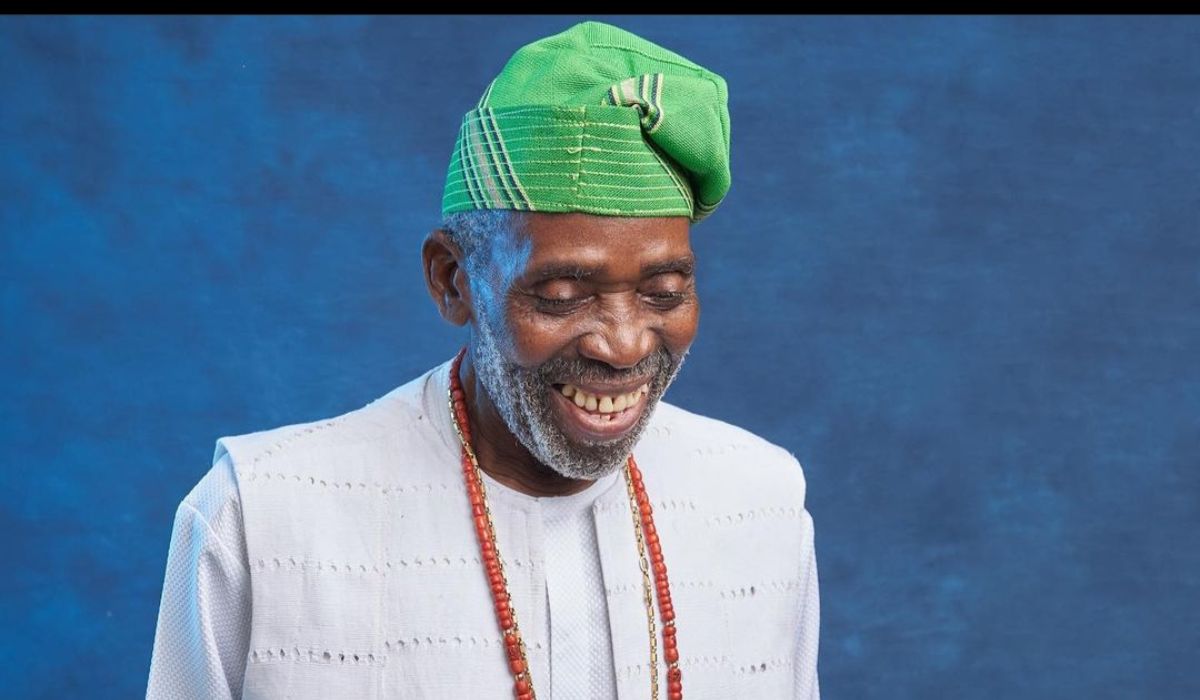
The African film industry is mourning the death of one of its most distinguished figures, veteran Nigerian actor Oludotun Baiyewu Jacobs, popularly known as Olu Jacobs, who died on September 16, 2026, at the age of 84.
His death was announced by his son, Olusoji Jacobs, who described him as “The Lion of Lufodo.” The announcement brought to an end a remarkable career spanning more than five decades across theatre, television and film in Nigeria, Britain and beyond. (allAfrica.com)
From Kano to the World Stage
Born on July 11, 1942, Olu Jacobs grew up in Kano, although his family had roots in the Egba Alake community of Abeokuta, Ogun State. His interest in acting developed during his childhood through school drama, debating and church performances.
A particularly important moment came when he watched the legendary Nigerian theatre practitioner Hubert Ogunde perform in Kano. The experience strengthened his determination to pursue acting professionally. (Punch)
Jacobs eventually travelled to Britain and trained at the prestigious Royal Academy of Dramatic Art (RADA) in London. He subsequently worked with repertory theatres and established himself in British television during the 1970s.
His international résumé included appearances in productions such as The Goodies, Till Death Us Do Part, The Professionals, The Tomorrow People and Barlow at Large. He also appeared in international films including Ashanti, The Dogs of War, Baby: Secret of the Lost Legend and Pirates. (TheCable Lifestyle)
Returning Home and Becoming a Nollywood Giant
Jacobs eventually returned to Nigeria at a crucial period in the development of the country's modern film and television industry. His experience in British theatre and television brought an international level of training and professionalism to a rapidly developing Nigerian screen industry.
One of his notable Nigerian television roles was Inspector Best Idafa in the NTA series The Third Eye, which ran from 1990 to 1993. As home-video production expanded and Nollywood emerged as a major African film industry, Jacobs became one of its most recognizable and respected actors. (TheCable Lifestyle)
His commanding voice, diction, stage discipline and ability to portray characters of authority made him particularly memorable. He played kings, chiefs, fathers, businessmen, political figures and other influential characters, often bringing a combination of dignity and intensity to his roles.
His extensive filmography included productions such as Dancing Heart, Oloibiri, The Royal Hibiscus Hotel, Adesuwa, Victims, Covert Operation, My Kingdom, One Fine Day, '76 and The Arbitration. (TheCable Lifestyle)
A Career Recognised With Major Honours
Olu Jacobs' contribution to African cinema earned him numerous awards and national recognition.
Among his notable honours was the Africa Movie Academy Award for Best Actor in a Leading Role in 2007 for Dancing Heart. He was also conferred with the Nigerian national honour of Member of the Order of the Federal Republic (MFR) in 2011.
In 2013, he received an Industry Merit Award at the Africa Magic Viewers' Choice Awards. The Africa Movie Academy Awards later honored him with a Lifetime Achievement Award in 2016, while the Africa International Film Festival recognized his career with another Lifetime Achievement Award in 2021. (TheCable Lifestyle)
These honors reflected not merely his longevity but his contribution to the professional development and visibility of African acting.
Olu Jacobs and Joke Silva
Jacobs' personal and professional life was also closely connected with another giant of Nigerian theatre and film, Joke Silva. The pair met through theatre in 1981 and married in 1989.
Together, they became one of Nigeria's most prominent acting couples and collaborated in developing the country's creative industry. They co-founded the Lufodo Group, a company involved in film, television, theatre, production and distribution.
They also established the Lufodo Academy of Performing Arts, providing professional training for aspiring performers and other practitioners. This aspect of Jacobs' legacy is particularly significant because his influence extended beyond appearing in films to helping build institutions capable of preparing the next generation of African performers. (Trending News)
His Final Years and Death
Jacobs' later years were marked by declining health and increasing withdrawal from public life. In 2021, Joke Silva publicly disclosed that he had been diagnosed with dementia with Lewy bodies, explaining that the condition had affected his ability to continue working as before. (Channels Television)
His health also became the subject of repeated false death reports. In June 2024, for example, his family publicly dismissed another death rumor, with his son providing evidence that the actor was still alive. (Channels Television)
On September 16, 2026, however, the family confirmed his death at 84. Nigeria's presidency subsequently described Jacobs as a major figure whose career contributed to the development and professionalization of the country's entertainment industry. (State House)
A Legacy Beyond Nollywood
Olu Jacobs' importance to African cinema lies in the breadth of his journey. He belonged to a generation that helped connect traditional Nigerian theatre with modern television and the emerging Nollywood industry.
He demonstrated that an African actor could move from local theatre to international productions and return home to play a central role in building a globally recognized film industry.
His career also provided a bridge between generations. He worked alongside pioneers of Nigerian entertainment and later shared the screen with younger actors who became major figures themselves.
For Nollywood, his legacy is therefore not limited to the hundreds of roles he played. It includes his commitment to professional training, theatre, production, mentorship and the broader development of the performing arts.
As tributes continue to come from actors, filmmakers, political leaders and audiences across Africa, the significance of Olu Jacobs' career is becoming clearer. (Premium Times Nigeria)
The boy from Kano who was inspired by Hubert Ogunde ultimately became one of the defining faces of African cinema. From British theatre to international film and the rise of Nollywood, Olu Jacobs spent more than half a century demonstrating the power of disciplined acting and African storytelling.
His final curtain may have fallen, but the characters he created, the institutions he helped build and the generations of performers he influenced ensure that the Lion of Lufodo remains an enduring part of African cinematic history.