Oil Prices Slide Sharply on Hopes of US-Iran Peace Deal and Strait of Hormuz Reopening
Global oil prices plunged to two-week lows after growing optimism over a possible US-Iran peace deal raised hopes for the reopening of the Strait of Hormuz and the restoration of disrupted energy supplies.
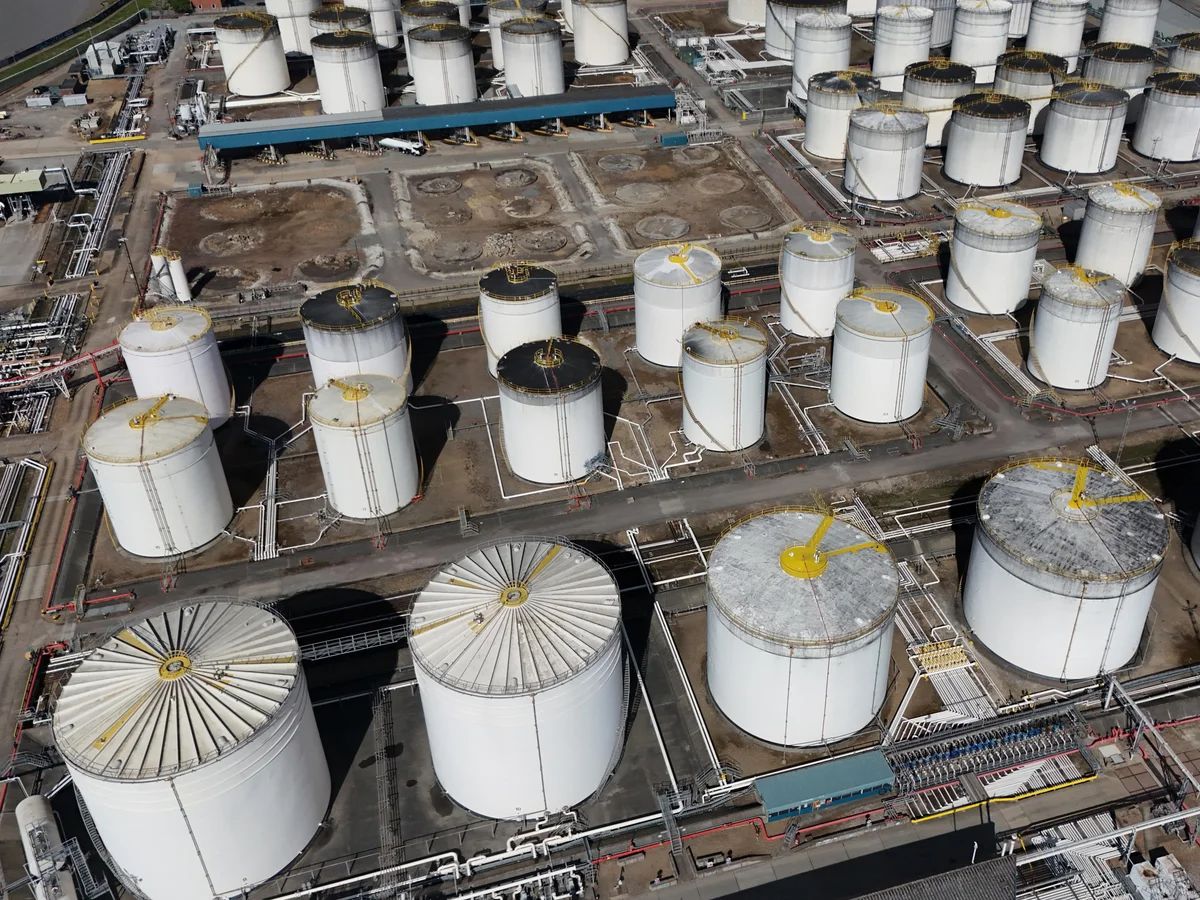
Global oil prices tumbled sharply this week as growing optimism surrounding a potential peace agreement between the United States and Iran eased fears of prolonged disruptions in Middle Eastern energy supplies.
Brent crude and U.S. West Texas Intermediate (WTI) crude both dropped to their lowest levels in nearly two weeks after reports emerged that Washington and Tehran were moving closer toward a negotiated settlement aimed at ending months of escalating conflict in the Gulf region.
The decline in oil prices came amid renewed hopes that the critical Strait of Hormuz, one of the world’s most important oil shipping routes, could soon reopen fully after months of restrictions and security concerns.
Analysts said the market reaction reflected growing confidence among investors that diplomatic efforts may finally reduce geopolitical tensions that have driven up global energy prices for much of 2026. (Reuters)
Oil Prices Fall Below $100 Per Barrel
By Monday morning, Brent crude futures had fallen by more than 5 percent, slipping below the psychologically important $100-per-barrel mark for the first time in weeks.
U.S. West Texas Intermediate crude also recorded significant losses, falling to around $92 per barrel as traders reacted to reports suggesting negotiations between Washington and Tehran were progressing.
The price drop marked a major reversal from the sharp gains seen earlier this year when fears of conflict escalation and the partial closure of the Strait of Hormuz sent energy prices soaring globally.
The Strait of Hormuz, located between Iran and Oman, handles nearly one-fifth of the world’s oil and liquefied natural gas shipments. Any disruption to traffic through the waterway immediately impacts global energy markets and inflation expectations.
For months, shipping activities in the strait had been severely limited due to military tensions involving Iran, the United States, and allied regional powers.
However, recent diplomatic developments appear to have reassured investors that the worst scenario may be avoided.
Trump Says Negotiations Have Been “Largely Negotiated”
Much of the market optimism followed comments from U.S. President Donald Trump, who stated over the weekend that Washington and Tehran had “largely negotiated” a memorandum of understanding aimed at ending the crisis.
Although Trump cautioned that key disagreements remained unresolved, his remarks were interpreted by financial markets as a sign that both countries were serious about pursuing diplomacy instead of further military confrontation.
U.S. Secretary of State Marco Rubio also acknowledged that negotiations were continuing and described recent discussions as showing “some good signs.”
Iranian officials confirmed that talks were ongoing but stressed that difficult issues, including sanctions relief, regional security arrangements, and shipping access through the Strait of Hormuz, still required resolution.
Despite the uncertainty, investors appeared encouraged by the possibility that oil exports and maritime traffic in the Gulf region could eventually normalize.
Global Markets Respond Positively
The falling oil prices have triggered positive reactions across global financial markets.
Stock indices in Europe, Asia, and the Gulf region rose as investors welcomed the prospect of easing inflationary pressures and improved economic stability.
Dubai’s main stock market index climbed significantly, while Abu Dhabi and several other Gulf markets also recorded gains.
Analysts said lower oil prices could help reduce transportation and manufacturing costs globally, potentially easing inflation concerns that have weighed heavily on major economies throughout the year.
The decline in crude prices also weakened the U.S. dollar slightly while boosting demand for safe-haven assets such as gold.
Investors have increasingly worried that prolonged energy instability could trigger another global inflation surge, forcing central banks to maintain high interest rates longer than expected.
The latest market movements, however, suggested growing hopes that a diplomatic breakthrough could help stabilize global economic conditions.
Volatility Still Expected
Despite the optimism, energy analysts warned that oil markets remain highly vulnerable to sudden swings depending on developments in the negotiations.
Oil prices have fluctuated dramatically throughout May as traders reacted to conflicting headlines regarding the peace talks.
Earlier in the month, reports suggesting progress in U.S.-Iran negotiations caused Brent crude to plunge nearly 8 percent in a single trading session. However, prices rebounded days later after doubts emerged over whether a final agreement was truly achievable.
Experts noted that even if a deal is eventually reached, it could still take months for damaged infrastructure and disrupted shipping operations in the Gulf to fully recover.
MST Marquee analyst Saul Kavonic said there was now “some light at the end of the tunnel” for oil markets, although significant risks remained. (Investing.com Canada)
Other analysts warned that any collapse in negotiations or renewed military escalation could quickly send oil prices soaring again.
Impact on Global Inflation
The sharp drop in crude prices also renewed discussions about inflation and monetary policy.
High energy costs have been one of the biggest drivers of inflation worldwide over the past year, increasing transportation, food production, and industrial expenses.
Central banks in the United States, Europe, and several emerging economies have faced pressure to maintain higher interest rates to control rising prices.
With oil now retreating sharply, investors are beginning to speculate that central banks could adopt a more flexible approach toward future rate decisions if inflation eases further. (The Guardian)
Economists cautioned, however, that inflation risks have not disappeared entirely, particularly because broader geopolitical uncertainties remain unresolved.
Strait of Hormuz Remains Central to Global Energy Security
At the center of the crisis remains the Strait of Hormuz, widely regarded as one of the world’s most strategically important maritime chokepoints.
Before tensions escalated earlier this year, the narrow waterway handled massive volumes of crude oil and natural gas shipments destined for Asia, Europe, and North America.
Even partial disruptions in the strait can trigger major price spikes and supply shortages globally.
The latest diplomatic efforts have therefore been closely watched not only by governments but also by financial institutions, energy companies, and international shipping operators.
While no formal peace agreement has yet been announced, the market reaction demonstrated how strongly global energy prices remain tied to geopolitical developments in the Middle East.
For now, investors appear cautiously hopeful that diplomacy could succeed where months of confrontation failed.