Oil Prices Dive as US and Iran Pause Attacks, Raising Hopes for Middle East De-escalation
Global oil prices plunged more than 5% after the United States and Iran paused military attacks over the weekend, easing fears of supply disruptions through the Strait of Hormuz and boosting hopes for renewed diplomacy.
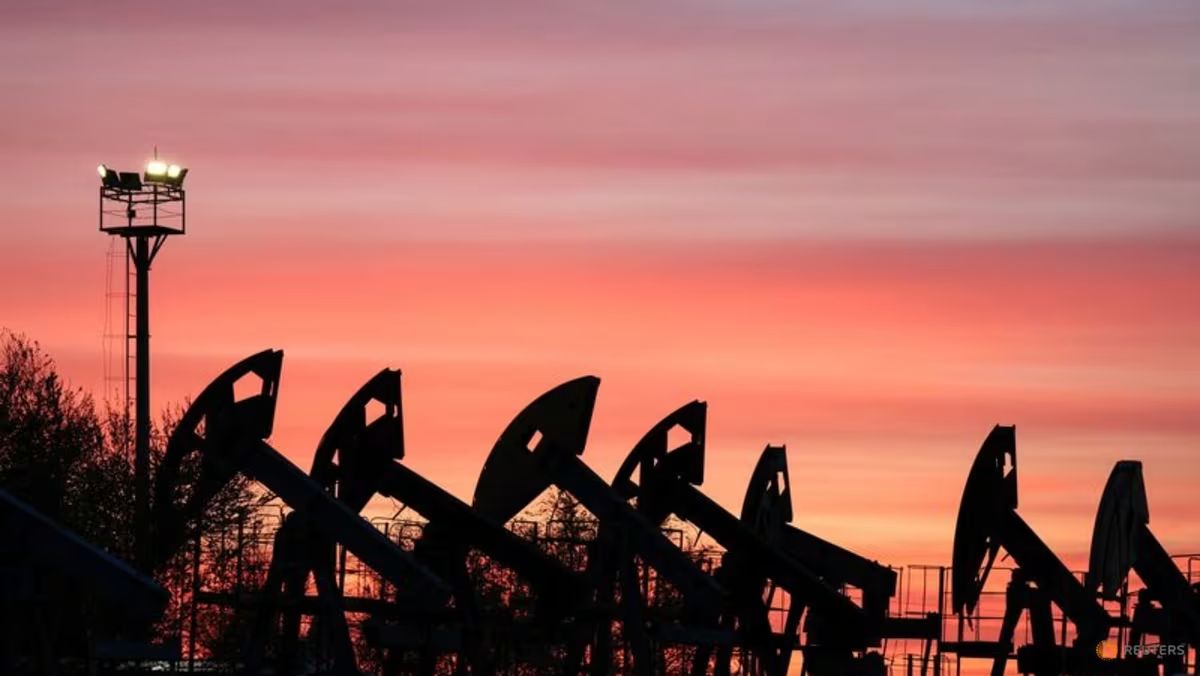
Global oil prices fell sharply on Monday after the United States and Iran suspended military attacks over the weekend, calming fears of an immediate escalation in the Middle East and easing concerns over disruptions to global crude supplies.
Benchmark crude prices tumbled by more than 5%, reversing part of the steep gains recorded in recent weeks as investors welcomed signs that both sides were stepping back from confrontation.
The decline came after two consecutive days without military strikes in the Persian Gulf, a development that traders interpreted as a possible opening for renewed diplomatic efforts to reduce tensions in one of the world's most strategically important energy regions. (Reuters)
Brent and WTI Post Sharp Declines
Brent crude, the international oil benchmark, dropped as much as 7% in early trading before recovering some losses. It traded near $89–$92 per barrel, after reaching a two-month high above $100 during the height of the latest conflict.
Meanwhile, U.S. West Texas Intermediate (WTI) crude fell to around $83–$84 per barrel, its lowest level in about a week.
The sell-off reflected improving investor sentiment that a wider regional conflict, which could have severely disrupted oil exports from the Gulf, might be avoided, at least for now. (Reuters)
Conflict Had Driven Oil Rally
Oil prices had surged over the previous three weeks as military exchanges between Washington and Tehran intensified.
Markets became increasingly concerned that fighting around the Strait of Hormuz could interrupt one of the world's most important oil shipping lanes. Roughly one-fifth of globally traded crude oil passes through the narrow waterway connecting the Persian Gulf to international markets.
The conflict also raised fears that attacks could spread to major oil-producing nations across the Gulf, potentially triggering severe supply shortages and higher fuel prices worldwide.
Pause in Fighting Eases Supply Fears
The latest price decline followed reports that neither the United States nor Iran launched new military attacks for a second straight day.
Although no formal ceasefire has been announced, diplomats from several countries, including regional mediators, have continued efforts to encourage negotiations and prevent another escalation.
Energy traders viewed the pause as reducing the immediate risk of prolonged disruptions to shipping through the Strait of Hormuz.
Commercial vessel operators also expressed cautious optimism that maritime traffic could gradually improve if security conditions continue to stabilise. (AP News)
Markets Remain Highly Sensitive
Despite Monday's sharp decline, analysts cautioned that oil markets remain extremely vulnerable to geopolitical developments.
The absence of a formal peace agreement means any renewed military strike, attack on energy infrastructure, or disruption to shipping routes could quickly reverse the latest gains.
Market participants are therefore expected to closely monitor diplomatic negotiations as well as military movements across the Gulf in the coming days.
Several analysts noted that the current pause represents a temporary de-escalation rather than a permanent resolution of the crisis.
Shipping Routes Still Under Pressure
Although the immediate threat has eased, global shipping continues to face challenges.
Traffic through the Strait of Hormuz remains significantly below normal levels after weeks of heightened military activity.
At the same time, attacks linked to Yemen's Houthi movement have continued to threaten commercial shipping routes in the Red Sea and Bab el-Mandeb Strait, creating additional uncertainty for global energy markets.
These risks mean supply chains remain fragile despite the latest improvement in market sentiment.
Economic Impact Extends Beyond Oil
The easing of oil prices also helped improve sentiment across broader financial markets.
Lower crude prices reduce concerns about rising inflation, which had intensified after energy costs surged during the conflict.
Higher fuel prices typically increase transportation, manufacturing and logistics costs, eventually feeding into consumer prices.
The latest decline therefore offers some relief to governments and central banks already battling inflation while trying to support economic growth.
Currency markets also reacted positively, with investors shifting back toward riskier assets as fears of a broader regional war eased.
Consumers Could Benefit
If lower crude prices persist, consumers around the world could eventually see relief at fuel stations.
However, economists note that retail gasoline and diesel prices generally take time to reflect movements in international crude markets because of refining costs, taxes and distribution expenses.
Any fresh escalation in the Gulf could also quickly erase the recent decline.
As a result, motorists and businesses are unlikely to experience immediate or guaranteed savings.
Oil Producers Watch Closely
Major oil-producing nations, including members of OPEC+, are also monitoring developments closely.
The recent surge in prices has boosted revenues for exporters, but extreme volatility creates uncertainty for both producers and consumers.
Stable oil prices are generally viewed as beneficial for global economic growth, while prolonged price spikes or sudden collapses can negatively affect investment decisions across the energy sector.
Outlook
For now, financial markets appear encouraged by the temporary pause in hostilities.
Nevertheless, analysts stress that the Middle East remains one of the world's most geopolitically sensitive regions, and energy markets will continue reacting swiftly to every military or diplomatic development.
Until a lasting agreement is reached between Washington and Tehran, oil prices are likely to remain highly volatile.
Investors, governments and businesses worldwide will therefore continue watching the Gulf closely, knowing that even a single incident could once again reshape global energy markets overnight.