Ogun Teaching Hospital Resident Doctors Begin 10-Day Warning Strike Over Welfare, Security Concerns
Resident doctors at Olabisi Onabanjo University Teaching Hospital in Ogun State have commenced a 10-day warning strike, citing unresolved welfare issues, security concerns, and unmet agreements with hospital management.
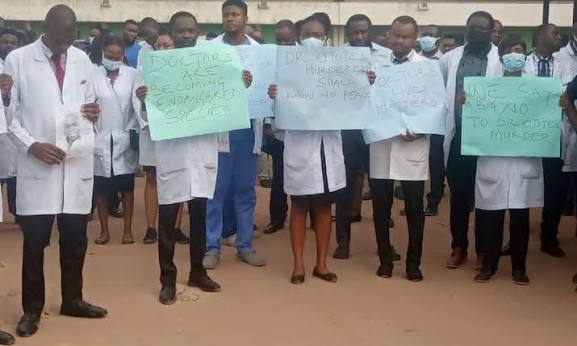
Healthcare services at the Olabisi Onabanjo University Teaching Hospital (OOUTH), Sagamu, Ogun State, have been significantly disrupted after resident doctors commenced a 10-day warning strike over what they described as the management’s failure to address longstanding welfare and workplace concerns.
The industrial action, which began after an emergency congress of the Association of Resident Doctors (ARD), follows weeks of growing tension between the doctors and hospital management over issues ranging from staff welfare and security to working conditions and the implementation of previously agreed resolutions.
According to the association, the decision to withdraw services temporarily was reached after several attempts to engage the hospital authorities yielded little progress. The doctors said the warning strike is intended to draw attention to urgent issues affecting healthcare workers and to compel management to take concrete action before the dispute escalates further.
In a communiqué issued after the meeting, the ARD leadership stated that members had become increasingly frustrated by delays in addressing critical concerns that directly impact their ability to provide quality healthcare services.
Among the key grievances are inadequate security within the hospital environment, poor welfare packages, delays in implementing agreed staff benefits, and what the doctors described as a lack of commitment by the management to previous agreements reached during negotiations.
The association noted that while resident doctors remain committed to patient care, they could no longer continue working under conditions they believe endanger both healthcare workers and the quality of medical services offered to the public.
“We have exhausted all available channels of dialogue. This warning strike is not intended to punish patients but to compel the relevant authorities to take our concerns seriously before the situation deteriorates further,” a senior member of the association said.
The doctors stressed that emergency services would continue to receive limited attention in line with professional ethics, but warned that routine outpatient consultations, elective surgeries and several non-emergency clinical services could experience delays during the strike period.
Hospital management acknowledged the industrial action and appealed for calm, assuring patients and residents of Ogun State that efforts were underway to resolve the dispute through dialogue.
Officials said discussions with representatives of the resident doctors had not completely broken down and expressed optimism that both parties would reach an agreement before the expiration of the 10-day warning strike.
Management also appealed to members of the public to remain patient, noting that contingency plans had been activated to minimize disruptions to essential medical services while negotiations continue.
The latest strike adds to growing concerns about industrial unrest within Nigeria’s healthcare sector, where doctors and other medical professionals have repeatedly complained about poor working conditions, inadequate remuneration, insecurity and insufficient investment in public health institutions.
Medical associations have consistently argued that improving the welfare of healthcare workers is essential to addressing the country’s persistent brain drain, which has seen thousands of Nigerian doctors relocate abroad in search of better opportunities.
Health policy experts warn that repeated industrial actions not only affect patient care but also undermine public confidence in the healthcare system.
According to analysts, unresolved labour disputes often result in postponed surgeries, delayed diagnoses and interruptions in specialist training programmes, with patients bearing the greatest burden.
Residents of Sagamu and neighboring communities expressed concern over the strike, urging both the Ogun State Government and the hospital management to reach a speedy resolution.
Some patients who arrived for scheduled appointments reported being informed that their consultations had been postponed until further notice, while others sought treatment at nearby private hospitals despite the higher costs.
Civil society groups also called on all parties to prioritize dialogue, emphasizing that prolonged industrial action could place additional pressure on already overstretched healthcare facilities across the state.
Meanwhile, labour experts say the warning strike provides an opportunity for both sides to return to the negotiating table before the dispute escalates into an indefinite shutdown.
The resident doctors maintained that they remain open to constructive engagement and would suspend industrial action if meaningful progress is made on their demands during the warning period.
For many observers, the dispute highlights broader structural challenges confronting Nigeria’s public health sector, including funding shortages, deteriorating infrastructure, security concerns and the need for sustained investment in healthcare personnel.
As negotiations continue over the coming days, patients, healthcare workers and government officials will be watching closely to see whether dialogue can produce a lasting solution that restores full medical services at one of Ogun State’s leading tertiary health institutions.
Should the parties fail to reach an agreement before the expiration of the warning strike, the association has indicated that it may consider further industrial action in consultation with its members.
For now, both hospital management and the resident doctors insist they remain committed to finding common ground, even as healthcare delivery at the teaching hospital continues to operate below full capacity.