Now That Nigerians Can Record Police, Will Accountability Finally Follow?
A landmark court ruling affirms Nigerians’ right to record police officers. But will it lead to real accountability or remain another symbolic victory in Nigeria’s long struggle for police reform?
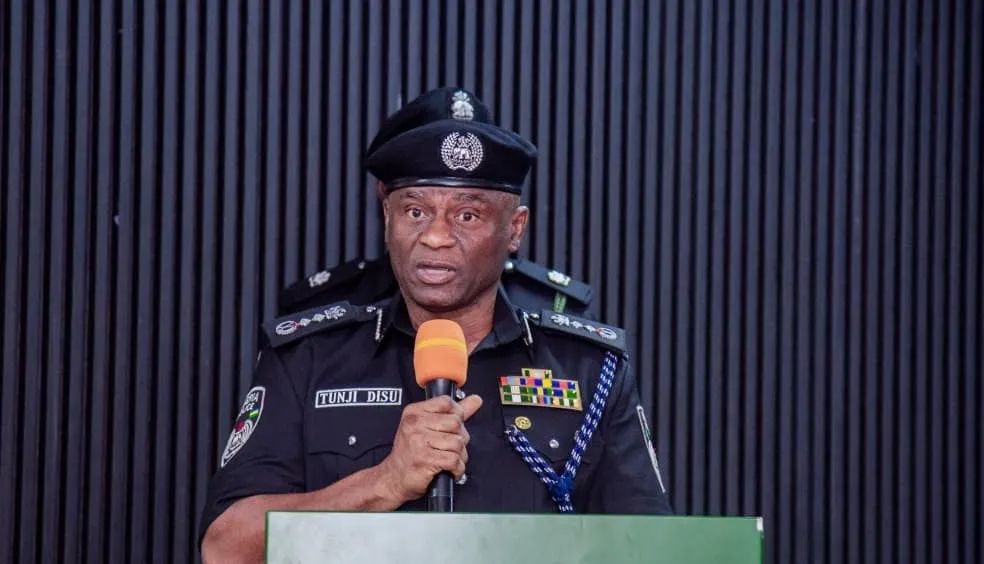
For years, Nigerians have lived with a paradox: a police force empowered to enforce the law, yet too often accused of operating above it.
Now, a landmark judgment by the Federal High Court sitting in Warri has drawn a bold line in the sand - affirming that citizens have the constitutional right to record police officers while they carry out their duties in public. It is, without exaggeration, a watershed moment.
But the real question is not whether Nigerians can now film the police. The real question is far more uncomfortable:
Will anything actually change?
A Victory Years in the Making
This ruling did not emerge in a vacuum. It is the legal echo of a national outcry that reached its peak during the End SARS protests.
Back then, videos- raw, shaky, often shot in fear - became the most powerful weapon ordinary Nigerians had. They exposed extortion at checkpoints. They captured brutality. They told stories that official reports are often ignored.
Without those recordings, many abuses would have remained buried in silence.
Now, the court has effectively said:
Those videos were not acts of defiance - they were acts of constitutional right.
The Power of the Camera
In today’s world, the camera is no longer just a tool - it is a form of accountability. From the United States to South Africa, citizen recordings have triggered investigations, led to prosecutions, and forced institutional reforms.
Nigeria is simply catching up with a global reality: policing in the 21st century happens under public scrutiny. The Warri ruling acknowledges this shift. It recognizes that transparency is no longer optional; it is inevitable.
The Culture Problem
But here is where optimism meets reality. Nigeria’s policing problem has never been about laws alone. It has always been about culture.
For decades, many officers have operated within a system where power is rarely questioned, accountability is inconsistent, and citizens are often seen as subjects, not stakeholders. In such an environment, a court ruling - no matter how progressive - faces a daunting challenge. Because laws can change overnight.
Culture does not.
Will Officers Obey the Ruling?
Let’s be honest.
How many Nigerians, even after this judgment, will feel safe pulling out their phones at a checkpoint?
How many officers, especially in remote areas, are even aware of this ruling?
And more importantly, how many will respect it?
There is a real risk that this decision becomes another beautiful judgment trapped in legal archives, while realities on the ground remain unchanged.
The Implementation Gap
Nigeria has never lacked strong laws. What it has often lacked is enforcement.
The gap between what is written in court rulings and what happens on the streets is where most reforms go to die.
For this ruling to matter, several things must happen:
- The Nigeria Police Force must issue clear, enforceable directives to all officers
- Violations must attract swift and visible punishment
- Citizens must be educated about their rights
- Civil society must actively monitor compliance
Without these steps, the ruling risks becoming symbolic - powerful in theory, but weak in practice.
Accountability Cuts Both Ways
There is another side to this conversation that must not be ignored.
Accountability is not a one-way street.
While citizens have the right to record, there must also be responsibility, like recordings should not obstruct police operations, footage should not be manipulated or used maliciously, and sensitive security situations must be handled carefully
The goal is not to create hostility between citizens and police.
The goal is to create mutual accountability.
A Chance to Rebuild Trust
Perhaps the most important implication of this ruling is not legalit is psychological.
Trust between Nigerians and the police has been fragile for years. In many communities, it barely exists.
This decision offers a rare opportunity to begin rebuilding that trust.
When citizens know they can document interactions without fear, they feel safer.
When officers know they can be recorded, they are more likely to act professionally.
It creates a new dynamic - one based not on fear, but on visibility.
The Risk of Resistance
But reforms often provoke resistance.
Some officers may see this ruling as: a threat to authority, an invitation to “disrespect”, and an operational inconvenience.
This mindset is dangerous. Because the alternative to transparency is not control—it is public distrust. And a police force that is not trusted cannot be effective, no matter how well armed or funded it is.
Beyond Recording: The Bigger Reform Question
Let’s not lose sight of the bigger picture.
The right to record police is important, but it is not a cure-all.
Nigeria still faces deeper challenges: poor police welfare, inadequate training, weak internal accountability systems, and political interference.
Without addressing these structural issues, cameras alone cannot fix the system.
They can expose problems, and they can deter misconduct. But they cannot replace comprehensive reform.
So, Will Accountability Finally Follow?
The honest answer is it depends.
It depends on whether the police leadership embraces the ruling or quietly resists it, the government prioritizes enforcement or treats it as a PR win, and citizens remain vigilant or become discouraged.
This rule is not the destination, and it is an opening. A door has been unlocked but someone still must walk through it.
Final Thought
The court in Warri has done something significant. It has shifted the balance slightly but meaningfully toward the citizen.
But history has shown that in Nigeria, progress is rarely automatic.
Rights must be asserted, and laws must be enforced. Institutions must be compelled to change. So yes, Nigerians can now record the police.
But until those recordings consistently lead to consequences - real, visible consequences -
Accountability will remain a promise, not a reality.
And that is the challenge that lies ahead.