Northern Group Backs Catholic Bishops’ Warning Over Nigeria’s Hardship, Insecurity
The Northern Reform Organisation has backed Catholic Bishops’ concerns over Nigeria’s worsening hardship, insecurity and governance challenges, urging the Tinubu administration to take urgent corrective action.
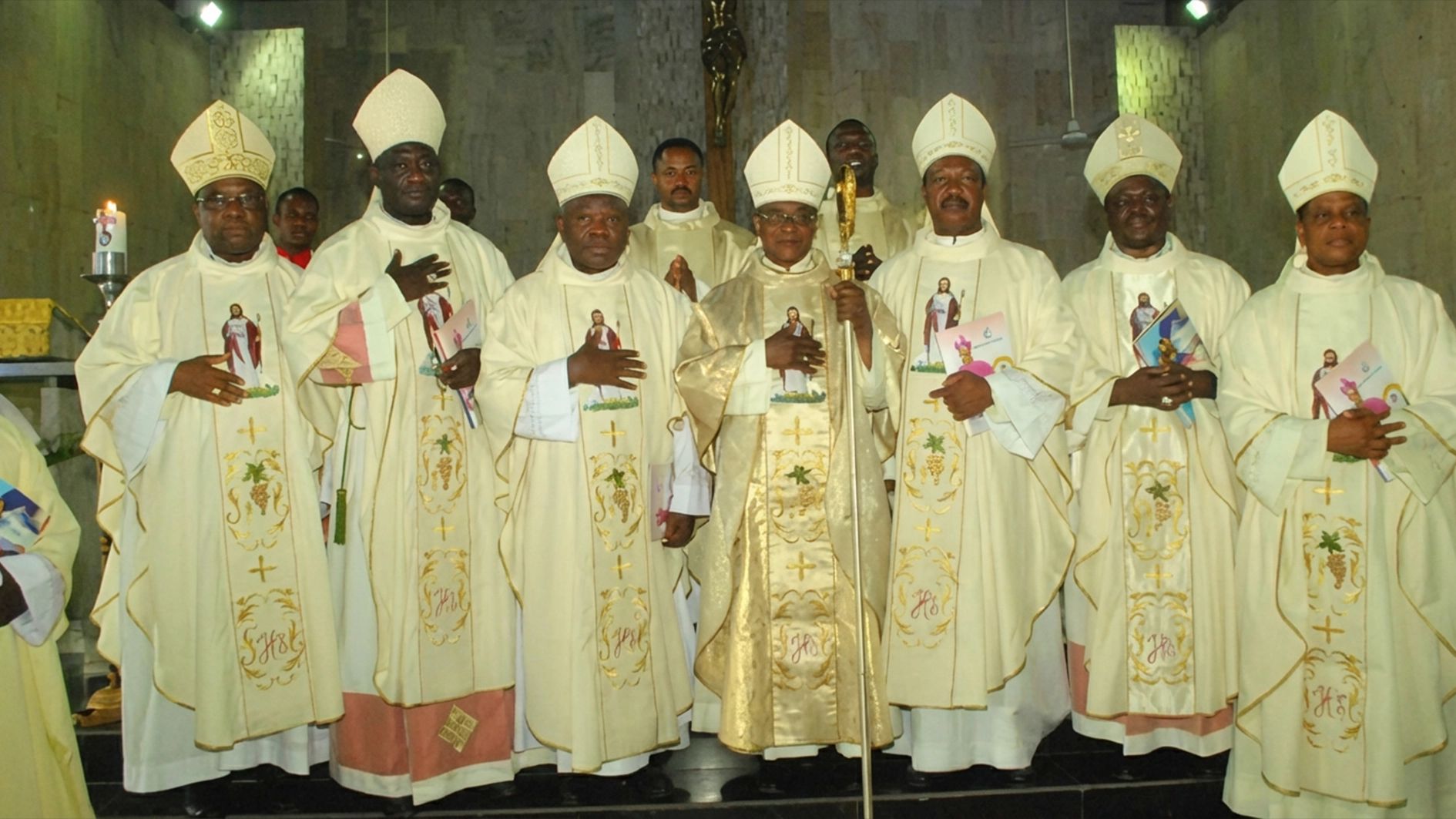
A northern pressure group, the Northern Reform Organisation (NRO), has thrown its weight behind the Catholic Bishops of Nigeria’s warning over the worsening economic hardship, insecurity and declining public confidence in government, urging the Federal Government to respond with urgent and decisive action.
The organisation said the concerns raised by the Catholic Bishops reflect the daily realities confronting millions of Nigerians and should not be dismissed as political criticism.
In a statement signed by its Chairman, Gidado Mukhtar, and issued in Kano, the NRO commended the bishops for speaking openly about the state of the country and described their intervention as a courageous and patriotic contribution to Nigeria’s national conversation. (Punch Newspapers)
Northern group endorses bishops’ concerns
The Northern Reform Organisation said it fully associates itself with the concerns expressed by the Catholic Bishops and supports their call for national introspection and corrective action.
According to the group, the bishops demonstrated “exemplary moral leadership” by publicly drawing attention to the difficulties facing Nigerians instead of limiting their concerns to private engagements with government officials.
The NRO argued that the intervention should be viewed beyond partisan politics or regional interests, stressing that the issues raised by the Catholic leadership concern the welfare and future of Nigerians across the country.
It specifically identified widespread economic hardship, growing insecurity, governance shortcomings and declining confidence in public institutions as problems requiring urgent attention.
The group's position adds another voice to an increasingly active national debate over whether government policies are sufficiently addressing the difficulties faced by ordinary citizens.
Bishops’ warning over economic hardship
The controversy followed recent comments by Cardinal John Onaiyekan, Archbishop Emeritus of Abuja, concerning the condition of Nigerians and the country's economic direction.
Onaiyekan said the Catholic Bishops had raised concerns about economic hardship during their engagement with President Bola Tinubu, particularly the effect of government policies on ordinary Nigerians.
The cardinal's intervention attracted political attention after he publicly discussed the bishops' meeting with the President and expressed concern about the difficulties experienced by citizens.
The comments subsequently generated criticism from some government figures, including Minister of the Federal Capital Territory Nyesom Wike, who questioned Onaiyekan's political neutrality and referred to his alleged political position during the 2023 elections. (Vanguard News)
Northern youths, however, defended the cardinal, arguing that his comments reflected the economic realities confronting Nigerians rather than partisan politics.
The Northern Reform Organisation's latest intervention further shifts the conversation from whether the bishops' criticism was political to whether the underlying concerns about hardship and insecurity deserve greater government attention.
‘Nigeria is at a critical moment’
The NRO warned that Nigeria is facing a critical period and urged the Federal Government to look beyond reassuring official narratives when assessing the condition of the country.
Mukhtar said the challenges highlighted by the bishops were not abstract political arguments, but problems experienced daily by Nigerians.
The organisation argued that genuine leadership requires governments to confront uncomfortable realities rather than simply acknowledge them.
It called for responses characterised by sincerity, transparency, urgency and decisive policy action, saying these were necessary to restore public confidence and strengthen democratic governance. (The Guardian Nigeria)
The group also expressed hope that the bishops' intervention could become a catalyst for reforms capable of improving equity, justice and public trust.
Insecurity remains major concern
Beyond the economy, insecurity featured prominently in the NRO's statement.
Nigeria continues to face multiple security challenges, including terrorism, banditry, kidnapping and communal violence in different parts of the country.
For many communities, particularly in parts of northern Nigeria, insecurity has consequences that go beyond the immediate threat to lives. Attacks can disrupt farming, trade, education and movement while forcing families from their homes.
The Catholic Church has repeatedly raised concerns about insecurity in Nigeria.
In February 2026, the Catholic Secretariat of Nigeria warned about continuing killings and abductions, describing the country as being at a critical crossroads and calling on political, religious and community leaders to work together to restore peace. (National Accord Newspaper)
The latest NRO statement therefore places the bishops' concerns within a wider national discussion about security and governance.
Hardship extends beyond food prices
Economic hardship has also become a central issue in the debate.
While government officials have pointed to reforms and measures aimed at stabilising the economy, critics argue that improvements in economic indicators do not automatically translate into better living conditions for households.
Chief Omolabi Salis, a lawyer and chartered accountant who has been described as Nigeria's first certified astronaut, recently urged President Tinubu to pay closer attention to the Catholic Bishops' concerns.
Salis argued that the problem confronting Nigerians was not simply the availability of food but whether ordinary families could afford it. He also called for stronger efforts to reduce inequality and ensure that resources intended for vulnerable citizens reach them. (The Sun Nigeria)
His comments illustrate the wider concern that economic recovery must ultimately be measured by its effect on household purchasing power and living standards.
NRO calls for collective responsibility
The Northern Reform Organisation said solving Nigeria's problems cannot be left to government alone.
The group called on civil society organisations, professional bodies, community leaders and other patriotic Nigerians to contribute constructively to the search for solutions.
It described the task of addressing the country's challenges as a collective responsibility requiring honesty, courage and meaningful engagement.
The organisation also urged Nigerians to support constructive interventions rather than interpret every criticism of government as partisan opposition.
For the NRO, the Catholic Bishops' intervention should serve as an opportunity for dialogue between government and citizens.
Government urged to listen to citizens
The organisation's message ultimately centred on the need for the Federal Government to listen more closely to Nigerians.
The group urged President Tinubu's administration to assess the depth of hardship beyond official statistics and public assurances and to take concrete steps capable of improving people's lives.
It argued that restoring public confidence would require more than communication; it would require policies whose benefits are visible to citizens.
The NRO also expressed hope that the bishops' intervention would contribute to reforms that strengthen democratic institutions, promote justice and put Nigeria on a sustainable path to recovery and shared prosperity.
A broader national conversation
The Northern Reform Organisation's endorsement of the Catholic Bishops is significant because it demonstrates that concerns over hardship and insecurity are not confined to one region, religion or political constituency.
The bishops' comments have generated debate among government officials, religious leaders, youth organisations and civil society groups. While some have questioned the political implications of the intervention, others have argued that religious and community leaders have a responsibility to speak when citizens are experiencing serious difficulties.
The NRO has clearly placed itself in the latter camp.
Its message is that the country's current challenges should be confronted honestly and collectively, regardless of political affiliation.
As Nigeria continues to navigate economic reforms, insecurity and growing public expectations, the debate over hardship is unlikely to disappear.
For the Tinubu administration, the latest intervention presents another reminder that economic statistics and policy explanations must ultimately be matched by improvements that Nigerians can feel in their daily lives.
The Northern Reform Organisation believes the Catholic Bishops have opened an important conversation. Whether that conversation leads to meaningful corrective action will depend largely on how government responds to the concerns now being echoed by an increasingly diverse range of Nigerians.