North Korea and Germany's Reactions to the Iran War: Global Peace Implications
This piece explore how North Korea and Germany have reacted to the ongoing US-Israel military campaign against Iran in 2026, and analyze how these divergent stances affect global peace, diplomacy, and regional stability.
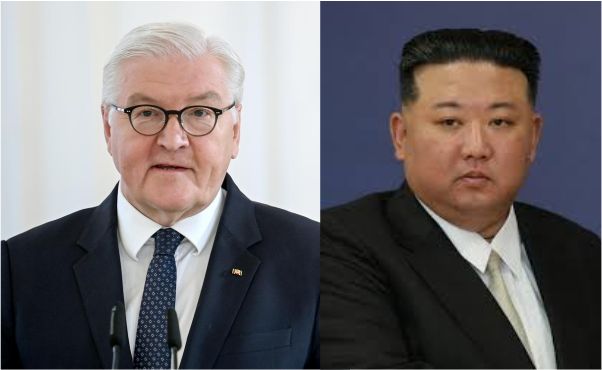
The US-Israel military offensive against Iran in early 2026 - launched by Washington and Tel Aviv and culminating in the killing of Iranian Supreme Leader Ayatollah Ali Khamenei - has reverberated far beyond the Middle East. As factions grapple with escalation risks, two very different global actors - North Korea and Germany - have issued starkly contrasting interpretations and responses to the conflict, each with implications for world peace and international norms.
North Korea Condemns the War as Illegal Aggression
In Pyongyang’s strongest public statement on the Iran crisis, North Korea’s Ministry of Foreign Affairs condemned the US and Israeli military offensive as an act of illegal aggression and a gross violation of Iran’s sovereignty. The statement, released via North Korean state media, labelled the strikes “a flagrant violation of international law” and criticized Washington and Jerusalem for pursuing “hegemonic and rogue behavior” through military force.
Pyongyang’s rhetoric painted the assault not as a targeted strike on nuclear or military infrastructure, but as evidence of a broader pattern of Western coercion that threatens global order and undermines faith in diplomatic norms. According to the statement, unchecked military action by powerful states normalizes force as a tool of foreign policy and endangers global peace and stability beyond the Middle East, potentially emboldening other conflicts. (turn0search22)
This denunciation aligns with North Korea’s long-standing narrative criticizing U.S. foreign policy and military interventions. Pyongyang sees parallels between Iran’s experience and its own historical rhetoric about external threats justifying militarization. Analysts suggest this crisis gives North Korea an opportunity to reinforce its argument that nuclear and defence capabilities are essential to deter foreign aggression - a message that could further complicate nuclear diplomacy on the Korean Peninsula.
Germany’s Cautious, Diplomacy-First Stance
By contrast, Germany’s response to the Middle East escalation has been markedly cautious, focused on restraint, diplomatic engagement, and regional stability, rather than military involvement. On March 2, 2026, German Foreign Minister Johann Wadephul stated that Berlin will not participate in military strikes against Iran, citing a lack of regional bases and resources, and reaffirming that German involvement would be strictly defensive if necessary.
Germany’s public position aligns with broader European Union calls for diplomacy and maximum restraint in response to the conflict, emphasizing international law, civilian protection, and negotiated solutions. European Commission President Ursula von der Leyen also emphasized that “a diplomatic approach is the only sustainable solution” and urged a credible political transition and cessation of Iran’s destabilizing activities.
German Chancellor Friedrich Merz, while critical of the Iranian regime’s history of supporting regional unrest, has reiterated that Germany will not take part in offensive operations, reflecting a nuanced balance: warning Tehran against escalating further, but stopping short of direct military engagement.
Divergent Reactions Reflect Broader Global Fault Lines
The stark difference between North Korea’s outright condemnation and Germany’s measured diplomatic posture illustrates how the Iran conflict is reshaping international alignments and perceptions of global governance.
- North Korea’s narrative reinforces the idea that powerful states can act with impunity, potentially weakening international norms that protect state sovereignty and elevate diplomacy. Pyongyang’s framing could incentivize other authoritarian regimes to justify their militarization as necessary for survival in a world where nuclear and conventional force defines strategic leverage.
- Germany’s approach, on the other hand, underscores a commitment to international law and multilateral diplomacy. By rejecting participation in the strikes and advocating restraint, Berlin seeks to avoid further escalation and preserve mechanisms of negotiation, even amid pressure from allies to join the offensive.
Amid these divergent stances, global institutions like the United Nations have also weighed in with calls for immediate cessation of hostilities and a return to negotiation, warning that ongoing military escalation risks a wider regional war with catastrophic humanitarian consequences.
Implications for Global Peace and Security
1. Erosion of International Legal Norms
North Korea’s condemnation highlights broader concerns: when powerful states use military force without explicit UN mandates, it can be perceived as normalizing unilateral action. This risks undermining long-standing principles of state sovereignty and the UN Charter - potentially emboldening conflicts elsewhere from Eastern Europe to East Asia.
2. Heightened Nuclear and Security Dilemmas
The conflict in the Middle East may incentivize states like North Korea to accelerate their own nuclear programmes as deterrence against foreign intervention. Pyongyang’s rhetoric explicitly connects Iran’s plight with its own security strategy, reinforcing the argument that nuclear capabilities are necessary safeguards.
3. Diplomatic Strain within Alliances
Germany’s careful stance reflects growing European unease over unilateral military actions by allies, particularly when they risk destabilizing entire regions. Berlin’s emphasis on diplomacy and opposition to direct involvement underscores a potential shift toward European autonomy in foreign policy, especially within NATO-EU relations.
4. Risk of Regional Spillover
The war’s expansion increases the risks of spillover into neighbouring regions. European states are already preparing defensive measures and evacuation plans for citizens amid escalating violence, indicating that the conflict threatens not just Iran but regional stability and global supply chains, especially around energy markets.
Conclusion
The Iran war has provoked contrasting reactions from global powers, each reflecting deeper geopolitical philosophies. North Korea’s denunciation underlines concerns about unchecked military action and its impact on global stability, while Germany’s cautious diplomacy highlights the challenges of balancing alliance obligations with international law and peacebuilding.
Together, these responses underscore a pivotal moment for global peace: whether the international community will double down on negotiation and legal norms, or drift toward a world where military might dictate outcomes and weakens the very structures designed to prevent war.