Nolan Wells Death: Grand Jury Declines to Charge Anyone After Investigation
A Mississippi grand jury has declined to indict anyone over the death of 18-year-old Nolan Wells, finding no credible evidence of criminal conduct while his official cause of death remains undetermined.
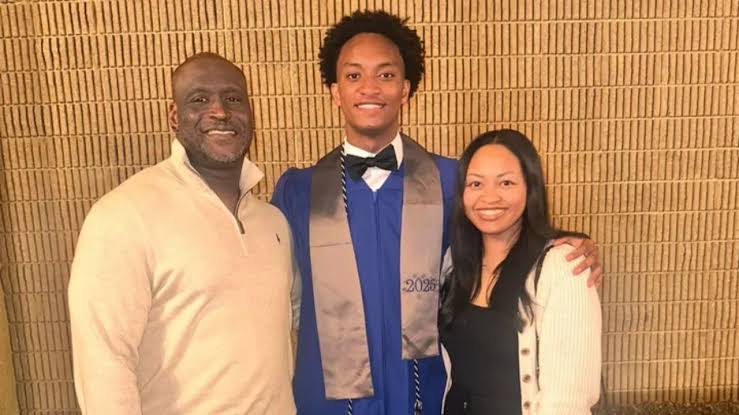
A Mississippi grand jury has decided not to indict anyone in connection with the death of 18-year-old Nolan Xavier Wells, bringing the criminal phase of a case that attracted intense national attention to a significant juncture.
The Jackson County grand jury unanimously returned what is known as a “no true bill”, meaning jurors found insufficient evidence to bring criminal charges against anyone in connection with Wells’ disappearance and death.
The decision was announced Monday, September 21, by Jackson County District Attorney Angel Myers McIlrath, following an investigation into the circumstances surrounding Wells’ disappearance during a Fourth of July outing on Mississippi’s Gulf Coast.
However, the grand jury's decision does not establish with certainty how Wells died. The Mississippi State Medical Examiner's Office and an independent forensic pathologist retained by Wells' family both classified the cause and manner of death as undetermined. The grand jury said the location, condition and circumstances surrounding the discovery of Wells' body were consistent with drowning, but drowning was described as a diagnosis reached by exclusion rather than a definitive determination. (Reuters)
Wells Disappeared During Fourth of July Trip
Wells, an 18-year-old from Ocean Springs, Mississippi, traveled with friends to Horn Island, a barrier island off the Mississippi Gulf Coast, during the July Fourth holiday.
According to authorities and testimony reviewed during the investigation, Wells did not return to the mainland with the group. His disappearance was subsequently reported, triggering a search operation.
His body was discovered on July 6, two days after he went missing, near the island's waters. The circumstances surrounding his disappearance quickly generated questions from relatives, members of the community and people following the case online. (CBS News)
The case subsequently attracted national attention, with civil rights attorney Ben Crump, who represents the Wells family, calling for greater transparency and a comprehensive investigation.
Grand Jury Reviewed Extensive Evidence
The grand jury's decision followed an investigation that included substantial testimony and documentary evidence.
According to the released report, investigators issued 132 subpoenas and heard from 43 witnesses. Jurors reviewed physical and digital evidence, including cellphone records, GPS information, photographs, videos, forensic reports and investigative material. (Mississippi Today)
The investigation focused in part on people who traveled to and from Horn Island on boats during the July Fourth gathering.
After examining the evidence, the grand jury found no credible evidence that people aboard the boats engaged in criminal conduct connected to Wells' death. It therefore declined to issue indictments.
The panel also found no evidence supporting allegations that Wells' death was racially motivated.
Drowning Considered Possible Cause
One of the central questions throughout the investigation has been how Wells died.
The grand jury report said the position, condition, time of discovery and location of his body were consistent with drowning.
However, the medical findings did not provide a definitive answer.
Both the state medical examiner and an independent forensic pathologist reportedly classified the cause and manner of death as undetermined. The grand jury described drowning as a possible explanation but noted that it was essentially a diagnosis of exclusion.
The report also addressed injuries observed on Wells' body. A bruise to the back of his head was documented, but investigators determined that it was not a fatal injury. The grand jury found no evidence of a fatal injury or underlying organic disease that would explain his death.
Toxicology Findings
Toxicology evidence was also considered during the investigation.
According to the grand jury report cited by ABC News, the available toxicology information was limited because of decomposition and therefore could not provide a definitive explanation for Wells' death.
The report did, however, indicate that there was no evidence of cocaine in his system and no indication that he had used the drug. It also addressed Wells' purchase of alcohol using a false identification document.
These findings formed part of the broader body of evidence considered by jurors before reaching their decision.
Family and Public Questions Remain
Although the grand jury found insufficient evidence for criminal charges, the decision does not necessarily resolve every question surrounding Wells' death.
His family had previously expressed doubts about the circumstances of his disappearance and commissioned an independent autopsy. That examination also failed to establish a definitive cause of death.
Crump, representing the family, said following the grand jury's decision that the outcome did not fully answer the question of how Wells died.
The case had also generated widespread discussion on social media, including allegations concerning possible foul play and racial motivation. Prosecutor McIlrath said investigators found no evidence supporting those allegations.
What the Grand Jury Decision Means
The “no true bill” does not amount to a judicial finding that every question about the death has been answered. Rather, it means the grand jury did not find sufficient evidence to return criminal indictments based on the evidence presented.
Mississippi has no statute of limitations for murder, according to reporting based on the grand jury proceedings. The report states that if credible evidence later emerges indicating that Wells' death was non-accidental, the matter could be presented to another Jackson County grand jury for consideration. (DeSoto County News)
That provision leaves open a legal pathway should substantially new evidence emerge.
A Case Without Criminal Charges
The grand jury's unanimous decision means no person will currently face criminal prosecution over Nolan Wells' death.
At the same time, the official medical classification of his death remains undetermined. Authorities have said the available evidence is consistent with drowning, but neither the state medical examiner nor the independent pathologist was able to conclusively establish drowning as the cause.
For the Wells family, the distinction is significant: the grand jury has determined that the evidence presented did not justify criminal charges, while the precise circumstances of how the 18-year-old died remain unresolved.
The investigation therefore ends its current phase without an indictment, but the possibility of renewed legal consideration remains if credible new evidence emerges.