‘No Political Goal Is Worth a Human Life’ - Gov Eno Condemns Violence, Urges Peaceful Politics
Akwa Ibom State Governor Umo Eno has declared that no political ambition is worth the loss of human lives, urging politicians and supporters to embrace peace, tolerance, and issue-based campaigns ahead of future elections.
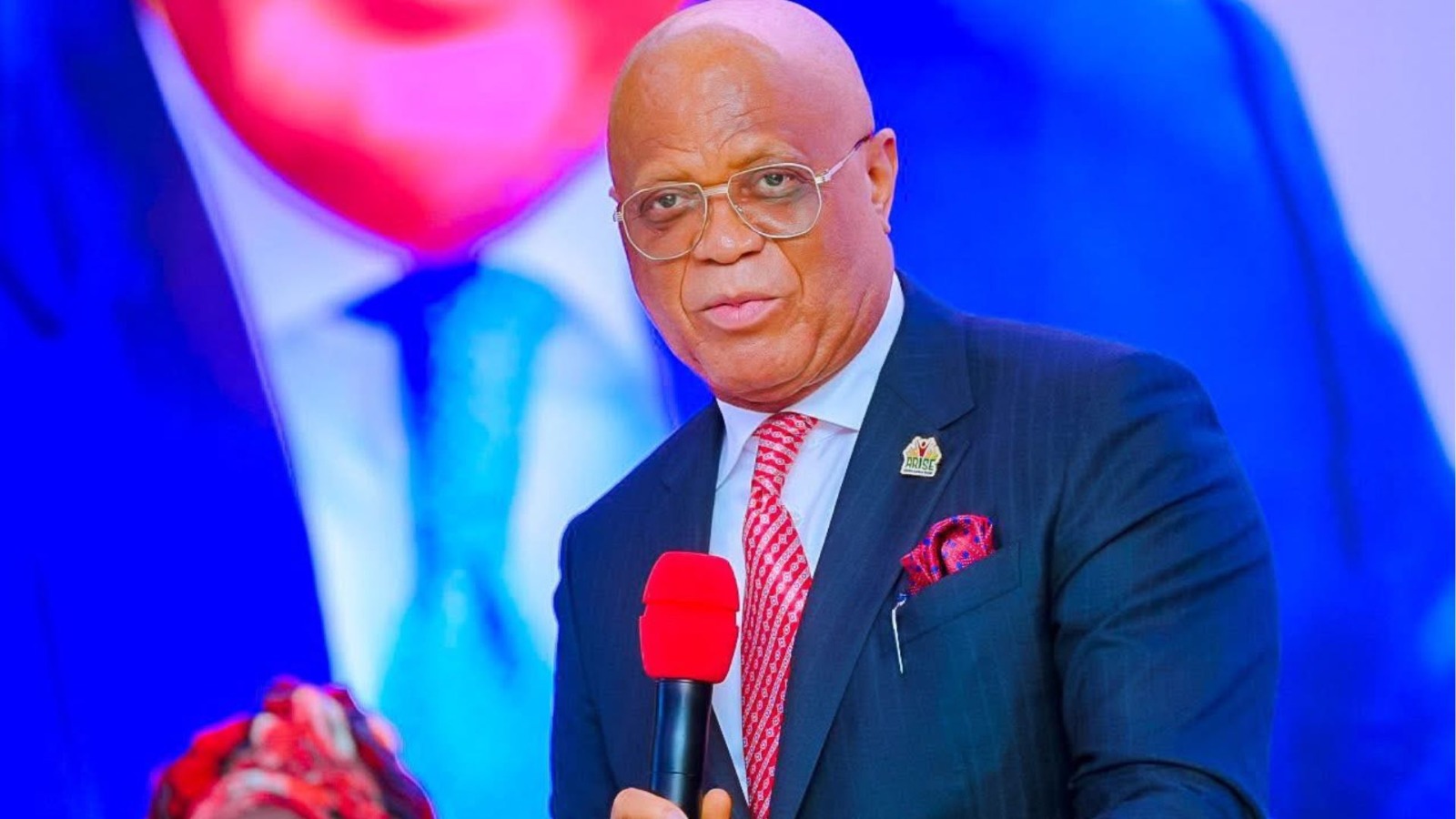
Akwa Ibom State Governor Umo Eno has declared that no political ambition or electoral victory is worth the loss of human lives, warning politicians and their supporters against violence, intimidation, and divisive rhetoric capable of destabilizing society.
Governor Eno made the remarks during a public address in Uyo while reacting to growing political tension and violent incidents linked to political activities in parts of Nigeria ahead of the 2027 general elections.
The governor stressed that politics should never become a justification for bloodshed, hatred, or destruction, insisting that leaders must place the sanctity of human life above personal ambition or partisan interests.
“No political goal is worth a human life,” Eno stated firmly.
“No ambition, no office, no election victory should ever push us to destroy lives, create division, or spread violence among our people. Politics should be about service, development, and improving the welfare of citizens - not warfare.
The governor’s comments come amid rising concerns over political clashes, inflammatory rhetoric, and insecurity in several states as parties and aspirants begin positioning for the next election cycle. (Punchng)
Across parts of the country, security agencies have reported isolated incidents of attacks on political supporters, destruction of campaign materials, and violent confrontations between rival groups.
Governor Eno warned that Nigeria’s democracy could only survive and flourish when political actors respect the rule of law, tolerate opposing views, and reject violence as a political tool.
According to him, the nation has already paid a heavy price for politically motivated conflicts over the years, and leaders must learn from past mistakes.
“We must never allow desperation for power to destroy the peace of our communities,” he said.
“The blood of innocent citizens must never be sacrificed on the altar of politics. We owe future generations a more peaceful and mature democratic culture.”
The governor also appealed to youths not to allow themselves to be manipulated by politicians seeking to use them as instruments of violence.
He urged young people to focus on education, entrepreneurship, and productive engagement instead of participating in activities capable of endangering lives and damaging their future.
“Do not let anyone recruit you into violence,” Eno warned.
“Those who sponsor violence often protect their own children while sending other people’s children into danger. Your future is more valuable than political thuggery.”
Governor Eno further called on political parties, religious leaders, traditional rulers, and civil society organizations to promote dialogue, tolerance, and peaceful coexistence.
He emphasized that democracy should encourage healthy competition of ideas rather than hostility between citizens.
The governor’s statement has attracted reactions from political observers and community leaders who described his remarks as timely amid increasing political tension nationwide.
Several analysts noted that Nigeria’s political history has often been marked by violence, particularly during election seasons.
From clashes between rival supporters to attacks on electoral officials and communal unrest triggered by political disputes, election-related violence has remained one of the country’s most persistent democratic challenges. (Vanguard)
Human rights organizations have repeatedly warned that inflammatory political rhetoric can contribute to instability and increase the likelihood of violence.
Observers say statements by influential political leaders therefore carry significant weight in shaping public behaviour and reducing tensions.
Governor Eno also used the opportunity to reaffirm his administration’s commitment to maintaining peace and security in Akwa Ibom State.
He assured residents that security agencies in the state would continue working to prevent violence and protect lives and property regardless of political affiliation.
“We are determined to preserve the peace of Akwa Ibom,” he said.
“Our state must remain a place where every citizen can freely express political opinions without fear, intimidation, or violence.”
The governor urged politicians to focus more on presenting practical solutions to the country’s economic and social challenges rather than engaging in personal attacks and inflammatory campaigns.
According to him, Nigerians are more interested in governance, economic opportunities, security, infrastructure, and social welfare than in political conflicts.
He argued that issue-based politics would strengthen democracy and encourage greater public trust in political institutions.
The remarks come at a time when many Nigerians continue to grapple with rising inflation, unemployment, insecurity, and economic uncertainty.
Political parties have already begun informal consultations, and coalition talks ahead of the 2027 elections, raising concerns that tensions could escalate as campaigns intensify.
Security experts have repeatedly called for early preventive measures to reduce the risk of electoral violence in the coming years.
Community leaders in Akwa Ibom praised Governor Eno’s statement, describing it as a message capable of calming tensions and promoting political maturity.
Religious groups also echoed his appeal for peaceful engagement and national unity.
Some residents who reacted to the governor’s remarks on social media urged political leaders across the country to emulate such rhetoric and avoid statements capable of inciting supporters.
Others stressed that, beyond public declarations, authorities must also ensure that perpetrators of political violence are prosecuted to deter future incidents.
Political analysts say the effectiveness of peace appeals often depends on whether political actors genuinely commit themselves to democratic conduct both publicly and privately.
They argue that while speeches promoting peace are important, stronger institutions, impartial law enforcement, and accountability mechanisms are equally necessary to reduce election-related violence.
Governor Eno concluded his address by urging Nigerians to remember that political offices are temporary, but the consequences of violence can permanently destroy families and communities.
“At the end of the day, every election will come and go,” he said.
“But lives lost can never be replaced. Let us therefore choose peace over violence, unity over hatred, and humanity over political desperation.
His statement is expected to further contribute to ongoing national conversations about responsible political conduct and the urgent need to safeguard Nigeria’s democracy from violence and instability as the country gradually approaches another election season.