“No Other Country Sees Daily Killings Like Nigeria”: Bishop Kukah Sounds Alarm on Violence and National Unity
Bishop Matthew Kukah warns that Nigeria’s daily cycle of killings is unparalleled globally, urging leaders to build unity and strong institutions to end violence and promote national development. Read how this impacts security, social cohesion, and Nigeria’s progress.
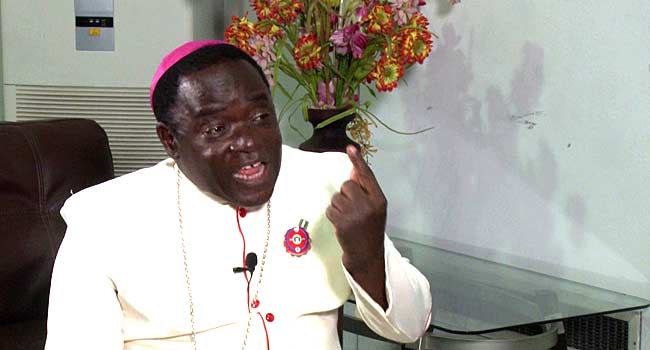
The Bishop of the Catholic Diocese of Sokoto, Most Reverend Matthew Kukah, has issued a stark warning about Nigeria’s persistent violence, describing the nation’s daily killings as unparalleled - even compared to other African countries. Kukah spoke during the launch of a new book in Yola, Adamawa State, where he emphasized the urgent need for national unity, stronger institutions, and a collective response to the ongoing bloodshed that threatens Nigeria’s future.
Addressing the gathering at the presentation of The Man They Could Not Stop, a book on Governor Ahmadu Fintiri written by Solomon Kumangar, Kukah criticized what he sees as an emerging pattern of violence framed along religious lines and fueled by media narratives - particularly from Western outlets. (Punch Newspapers)
Unprecedented Violence and Religious Fault Lines
Delivering his remarks, Kukah lamented that Nigeria appears to be an outlier in the pattern and frequency of killings, noting that in typical crisis situations, comparable nations such as Sudan, Cameroon, Niger, or Ghana do not record the kind of sustained loss of life seen across Nigeria each week. According to the cleric: “There is no other country in the world where 10 people are killed on Monday, 50 on Tuesday, 100 on Wednesday, and the killings go on every week. How can such a country move forward?”
He further warned that framing violence in terms of religious identity - such as “20 Christians killed, 30 Muslims killed” - deepens mistrust and undermines national unity. Kukah argued that such narratives, often amplified by external media, exacerbate societal fractures and detract from the real drivers of insecurity.
Calls for Institutional Reform and Unity
Kukah’s speech did not merely dwell on the grim statistics of violence but also called for collective action from political and religious leaders to build strong institutions capable of uniting Nigerians for peace and development. He emphasized that sustainable security and progress depend on cooperation, mutual respect, and the rule of law - not on narratives that pit communities against each other.
In highlighting the role of leadership, he commended figures such as Prof. Attahiru Jega, former Chairman of the Independent National Electoral Commission (INEC), for playing a stabilizing role during the 2023 Adamawa governorship crisis, underscoring the need for responsible leadership in times of tension.
Broader Political Engagement at the Event
The event also showcased inputs from prominent political figures who reiterated the importance of competent leadership for national progress. Former Senate President Bukola Saraki urged Nigerians to place a premium on leadership qualities over political affiliations, stressing that the right leaders could help steer the nation away from insecurity and instability.
Governor Abdullahi Sule of Nasarawa State, who chaired the ceremony, invited Governor Fintiri to consider joining the ruling All Progressives Congress (APC), underscoring the expanding influence of the party in the region. Meanwhile, Fintiri himself reflected on the challenges and controversies surrounding his 2023 electoral victory, framing it as both a personal and democratic test.
Implications for National Security and Cohesion
1. National Security at Risk
Kukah’s remarks underscore a security crisis that threatens Nigeria’s stability. When violence becomes routine and regular, it not only affects immediate victims but also erodes public confidence in the government’s ability to protect citizens. This can lead to displacement, economic stagnation, and long-term psychological trauma for communities.
2. Strained Interfaith Relations
By warning that violence is increasingly interpreted along religious lines, Kukah highlighted a dangerous perception gap that could deepen divisions if left unaddressed. Such narratives risk fueling mistrust and communal confrontation, even when the root causes of insecurity - such as economic deprivation, competition for resources, and criminality - may not be inherently religious.
3. Governance and Institutional Trust
Kukah’s appeal for building strong institutions reflects growing frustration with the state’s ability to deliver security, justice, and unity. Strengthening public institutions - especially those responsible for security and justice - is crucial for restoring confidence among citizens and demonstrating that Nigeria’s democracy can adapt to and resolve its challenges.
4. Development and International Perception
Persistent insecurity and narratives of religious division can harm Nigeria’s international image and deter investment. Investors often consider political stability and social cohesion when making decisions, and a perception of endemic violence can discourage economic engagement.
Looking Ahead: Building Unity and Peace
Bishop Kukah’s stark assessment of Nigeria’s security landscape serves as a wake-up call to stakeholders at all levels - from government officials to community leaders and ordinary citizens. His emphasis on institutional reform, national unity, and moving beyond divisive narratives points to the broader challenge of reconciling Nigeria’s diverse population and fostering a society where security and development are shared priorities.
As Nigeria navigates its complex security environment, the bishop’s words resonate as both a caution and an invitation to action - reminding citizens and leaders alike that sustainable peace requires more than statistics; it demands collective commitment to unity, justice, and accountable leadership.